English
 русский
 Español
 عربى
عربى
Company News
Home / News / Company News / What Factors Should Engineers Consider When Choosing Valves for Oil Pipeline Projects?
2026-07-17
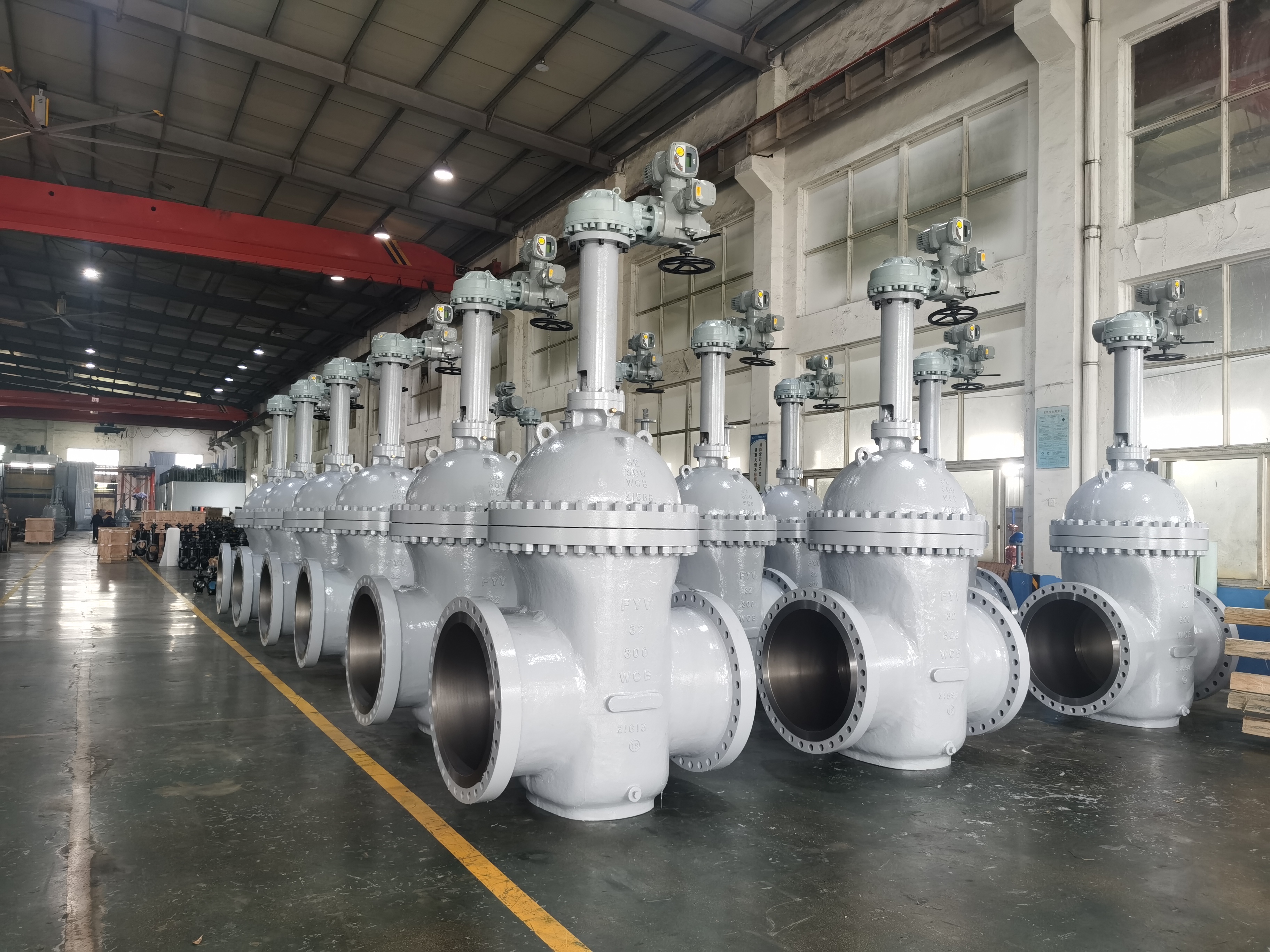
As pipeline networks continue to develop worldwide, engineers and procurement teams are paying closer attention to equipment reliability, maintenance efficiency, and project compliance. Among all pipeline components, valves directly influence flow control, system isolation, and operational safety. Selecting the right Oil Pipeline Valve requires a comprehensive understanding of working conditions, technical standards, and long-term operating needs. At the same time, many international projects are increasingly adopting Api6d Valve solutions because they provide a standardized approach for demanding pipeline applications.
Why Is Valve Selection Becoming More Important in Pipeline Engineering?
In modern oil transportation systems, valves are expected to operate reliably for long periods under challenging conditions. Pipeline operators may face pressure fluctuations, temperature changes, corrosive environments, and strict maintenance schedules.
A suitable valve selection process helps companies address common concerns, including:
Reducing unexpected equipment downtime
Improving pipeline operation stability
Supporting easier maintenance planning
Meeting project technical specifications
For engineers, the valve is not simply a flow control device. It is an important part of the overall pipeline reliability strategy.
Understanding the Application Requirements Before Purchasing
One of the most common mistakes in valve procurement is selecting products based only on basic specifications. Different pipeline applications require different solutions.
Before ordering an Oil Pipeline Valve, buyers should evaluate:
Operating Conditions
Pressure rating, temperature range, and flow characteristics determine the basic valve requirements.
Pipeline Medium
The properties of transported oil products can influence material selection and sealing design.
Installation Environment
Outdoor pipelines, underground systems, and remote facilities may require different protection and maintenance considerations.
A detailed evaluation at the beginning of a project can help prevent performance issues after installation.
How Does an API 6D Valve Support International Pipeline Projects?
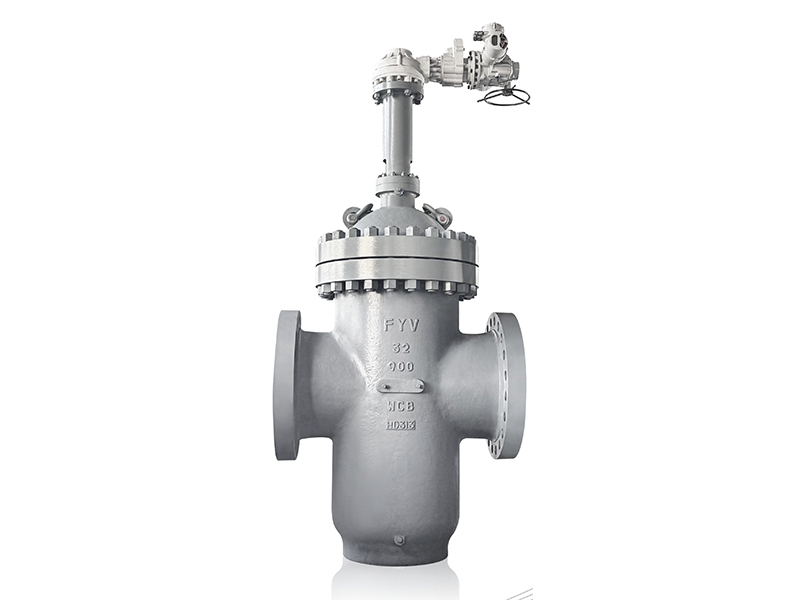
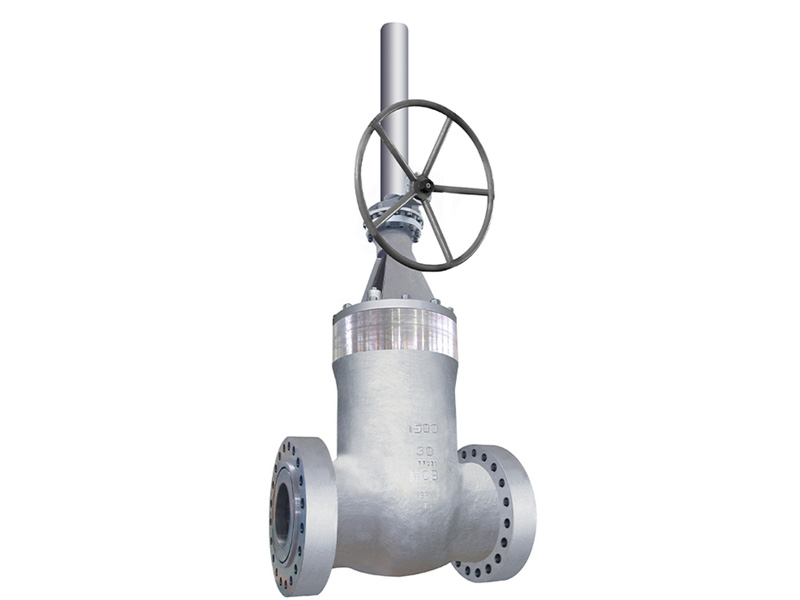
For global oil and gas projects, standardization is an important factor in supplier selection. An Api6d Valve is designed according to widely recognized pipeline valve requirements, helping manufacturers and buyers maintain consistent expectations regarding design, inspection, and testing.
For EPC contractors and engineering companies, standardized valve solutions can provide benefits such as:
More efficient technical approval processes
Clearer quality inspection requirements
Better coordination between project participants
Improved confidence during installation and operation
This is especially valuable for international projects involving multiple suppliers and complex engineering coordination.
Manufacturing Processes That Influence Valve Performance
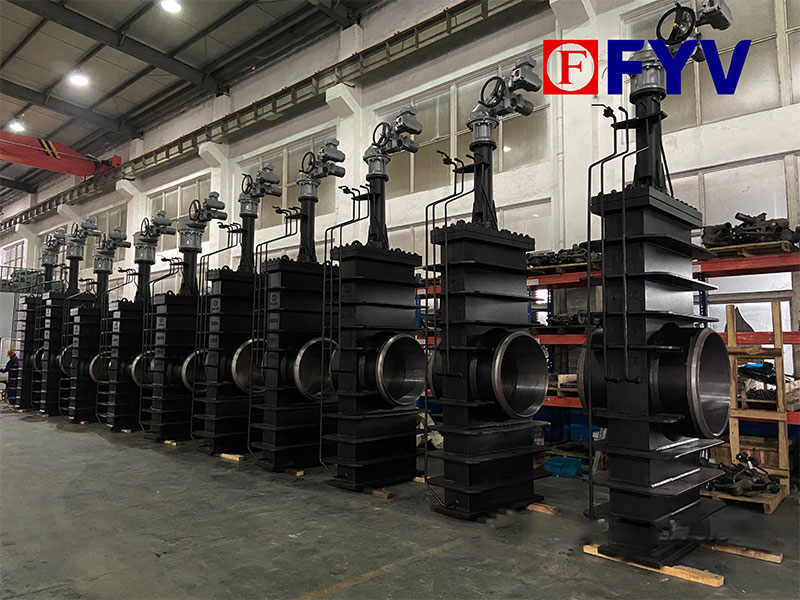
From the perspective of a valve manufacturer, product reliability depends on every stage of production. Quality control is not limited to final inspection; it begins with material selection and continues through machining, assembly, and testing.
Important manufacturing considerations include:
Accurate machining of valve components
Proper control of assembly procedures
Professional testing before delivery
Complete production records
Continuous improvement of manufacturing processes
These steps help ensure that valves maintain stable performance when installed in demanding pipeline systems.
How Can Buyers Reduce Procurement Risks?
Many overseas buyers now evaluate suppliers beyond product catalogs. They want partners who understand engineering requirements and can provide practical support throughout the purchasing process.
A professional supplier can help customers by:
Reviewing technical specifications
Recommending suitable valve configurations
Providing required documentation
Supporting project communication
Offering technical assistance after delivery
This cooperation model allows buyers to make more confident decisions and improves efficiency throughout the supply chain.
Future Trends in Pipeline Valve Purchasing
With energy companies focusing more on efficiency and asset management, pipeline equipment selection is becoming increasingly data-driven and quality-oriented. Buyers are paying more attention to product traceability, manufacturing capability, and supplier experience.
Manufacturers that combine engineering knowledge with reliable production systems are better positioned to support changing market requirements. For pipeline operators, investing in dependable equipment helps create more stable and sustainable infrastructure.
Choosing Reliable Valve Solutions for Long-Term Pipeline Operation
The right valve selection can significantly influence the performance of an entire pipeline system. A properly designed Oil Pipeline Valve helps improve operational control, while a qualified Api6d Valve supports projects that require consistent quality and international engineering standards. As a professional manufacturer, we focus on delivering reliable valve solutions, technical support, and manufacturing expertise to help global customers build safer and more efficient oil pipeline systems.
Model:
Model:
Model:
 Phone: +86-15325080303
Tel: +86-0577-67388008
Email: info@fy-valve.com
Phone: +86-15325080303
Tel: +86-0577-67388008
Email: info@fy-valve.com
Quick Links
Contact Us
Copyright ©
Fangyuan Valve Group Co., Ltd.
All Rights Reserved.
China Valve Manufacturer