


 English
 русский
 Español
 عربى
عربى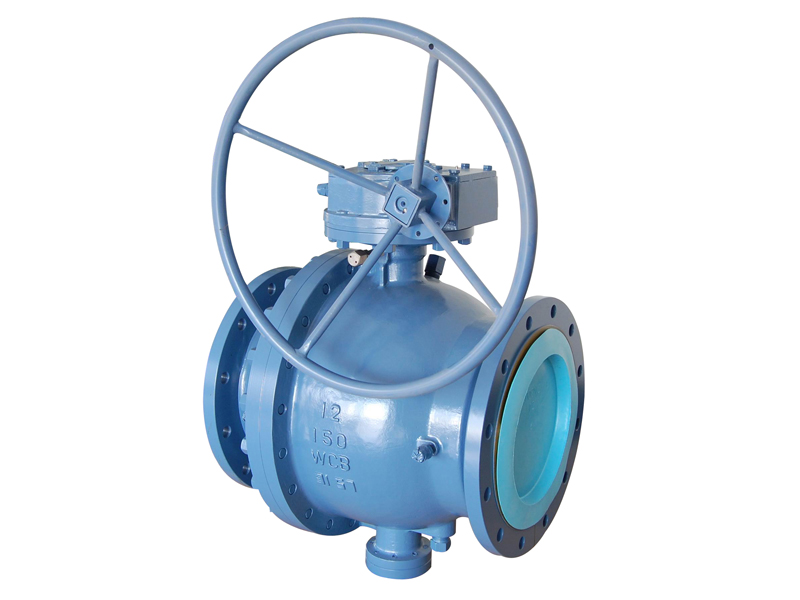
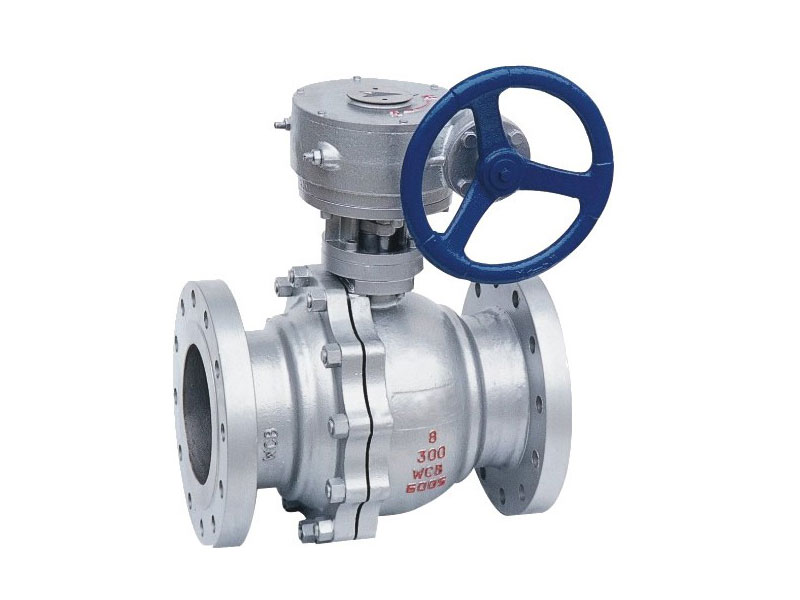

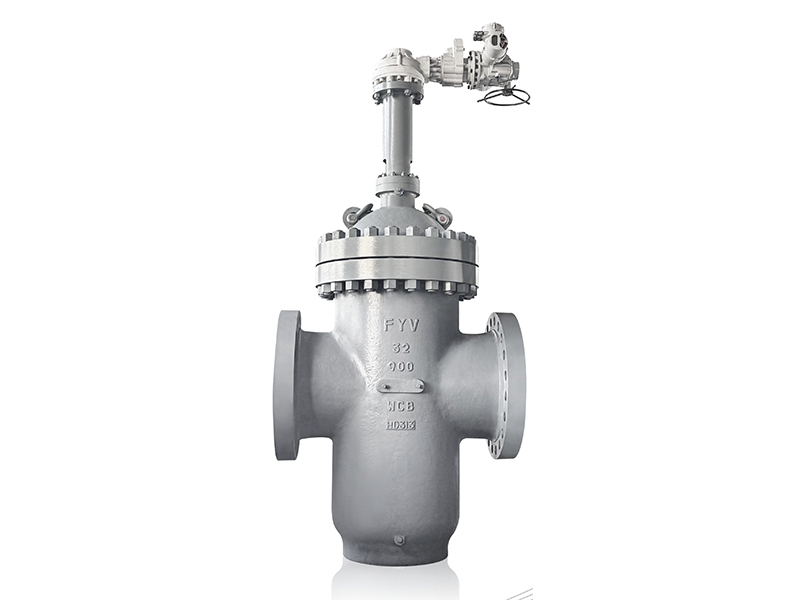
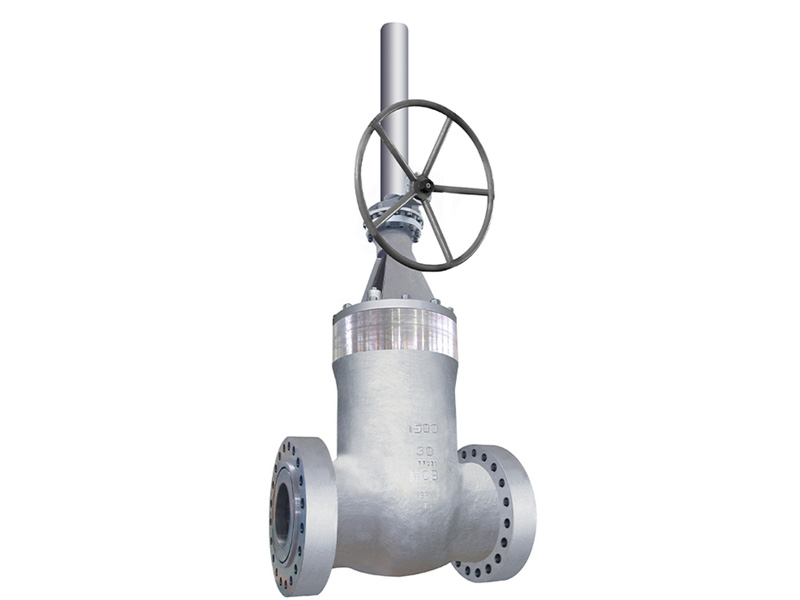
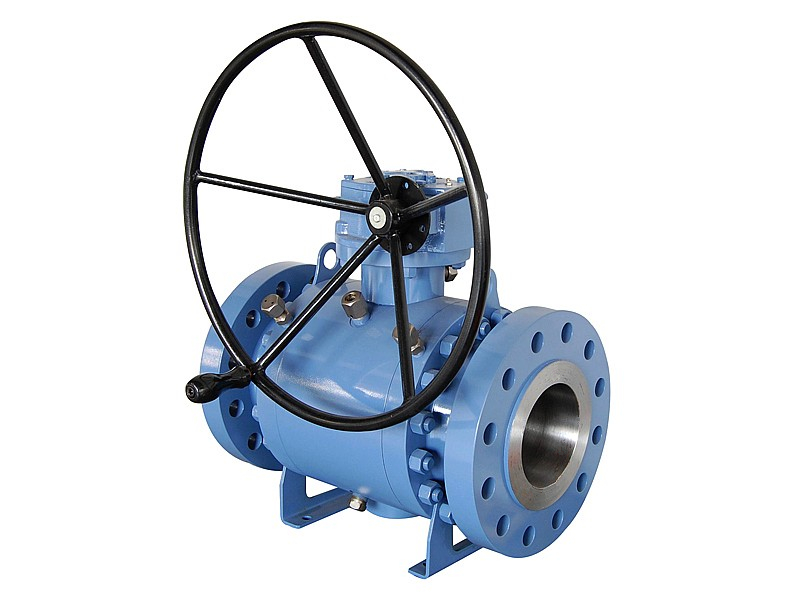
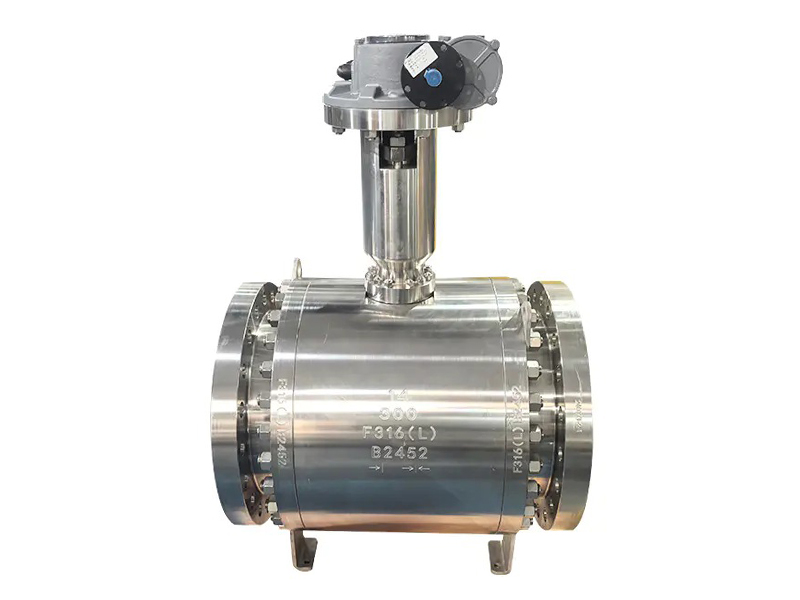
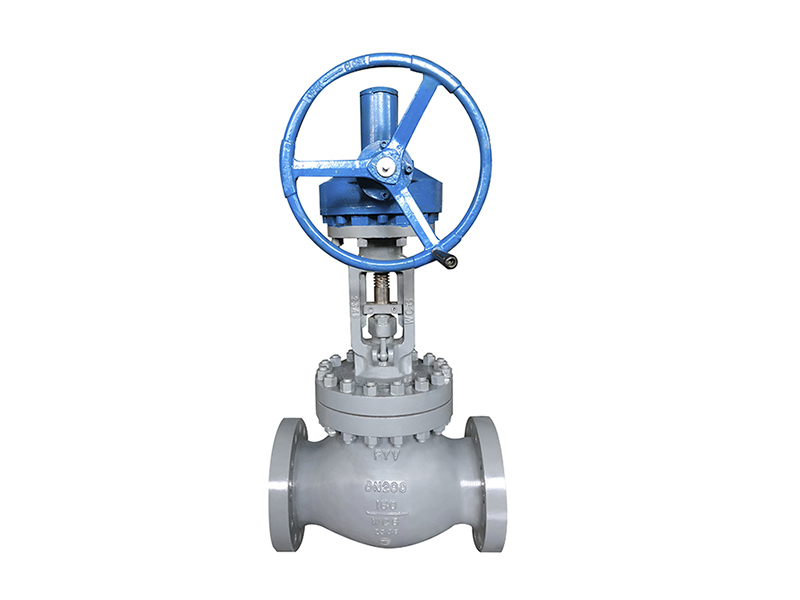
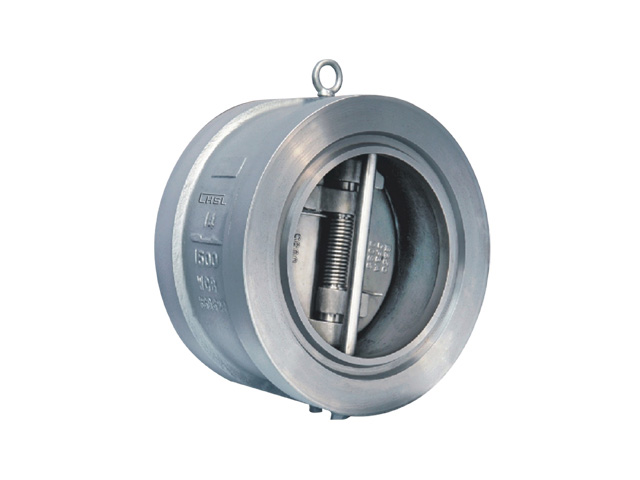
With the continuous development of global energy transportation systems, pipeline operators are placing greater importance on equipment...
Read More
-
Product Range
Body material: Carbon steel, Stainless steel, Alloy steel, Monel, Duplex, Inconel, etc
Size range(s):1/2"~6"
End Connection: RF, RTJ, BW, NPT, SW
Pressure rating: Class 150 – Class 1500
Working temperature: -46℃ - +200℃
Operation: wrench, lever, worm gear, electric, etc -
Technical Standards and Compliance
The floating ball valve is designed and manufactured in strict accordance with international standards to ensure best performance and safety. It adheres to ASME B16.34, API 6D, and BS EN ISO 17292 (BS5351) for design and manufacturing, ensuring compliance with industry norms. The face-to-face dimensions follow ASME B16.10, while the flange end connections meet ASME B16.5, ASME B16.25, ASME B16.11, and ASME B1.20.1 standards. Additionally, the floating ball valve undergoes rigorous testing and inspection as per API 598 and BS EN 12266 (BS6755), along with fire-safe testing in accordance with API 607 and API 6FA, making it suitable for demanding applications.
Wide Product RangeTo meet various operational requirements, the floating ball valve is available in a broad range of materials, sizes, and pressure ratings. It can be manufactured using materials such as carbon steel, stainless steel, alloy steel, Monel, Duplex, and Inconel, offering good corrosion resistance and durability. The available size range spans from 1/2" to 6", accommodating different pipeline specifications. The floating ball valve comes with multiple end connection options, including RF, RTJ, BW, NPT, and SW, ensuring adaptability to different piping configurations. Furthermore, the pressure ratings range from Class 150 to Class 1500, and the working temperature range extends from -46℃ to +200℃, making it suitable for a variety of temperature-sensitive applications.
Key Design FeaturesThe floating ball valve incorporates several design features that enhance its performance, reliability, and safety. It is available in 2-piece and 3-piece body configurations, providing flexibility in installation and maintenance. The anti-static device ensures safe operation by preventing static electricity buildup, which is critical in hazardous environments. Additionally, the blow-out proof stem enhances safety by preventing accidental stem ejection under high-pressure conditions.
One of the qutstanding features of the floating ball valve is its fire-safe design, which ensures reliable performance even in to the limit conditions. The valve also meets low-emission requirements, making it an environmentally friendly choice for industries aiming to reduce fugitive emissions. Moreover, it offers both full bore and reduced bore options, reduced to a certain extent flow resistance and optimizing fluid handling efficiency. For added security, an optional locking device can be integrated, preventing unauthorized operation. The valve also features an ISO 5211 top flange, allowing easy mounting of actuators for automated flow control.
ApplicationsThe floating ball valve is ideal solution for industries requiring dependable flow control, including oil and gas, petrochemical, power generation, water treatment, and general industrial applications. Its ability to maintain a tight seal under various pressures and temperatures makes it suitable for both high-performance and general-purpose uses. Whether deployed in high-pressure pipelines, corrosive environments, or critical safety applications, the floating ball valve ensures reliable performance and longevity.
With its simple yet effective design, the floating ball valve offers a balance of durability, performance, and safety. Its compliance with international standards, robust sealing mechanism, and diverse material and size options make it a versatile choice for a wide range of applications. Whether used in manual or automated systems, the floating ball valve remains a trusted component for ensuring efficient and secure flow control in industrial processes. -
