Underground Ball Valve is a key component in buried pipeline systems, designed to regulate the flow of fluids while ensuring safety and reliability. One important design feature that significantly enhances the durability and leak resistance of these valves is the fully welded body construction. Fully welded valves eliminate joints that could otherwise be potential points of leakage or structural weakness, providing a more secure and maintenance-friendly solution for long-term pipeline operations. Understanding the benefits of this design can help engineers, technicians, and pipeline managers make informed decisions for installation and operation.
Understanding Fully Welded Body Construction
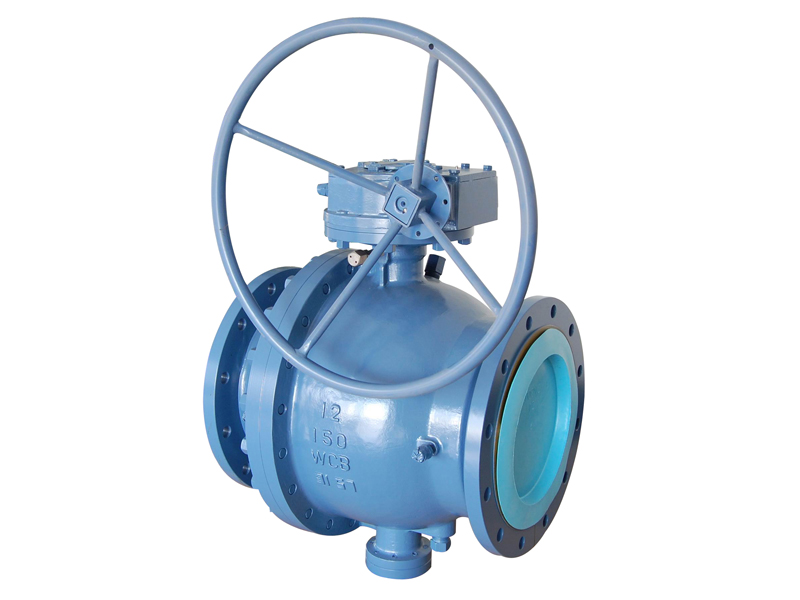
A fully welded underground ball valve is manufactured by joining the main valve components through welding, without relying on bolted connections. This approach eliminates gaps, reduces the risk of leakage, and improves structural integrity under pressure. The welding process also creates a continuous surface that can withstand soil stress, vibrations, and temperature fluctuations common in underground environments. By removing bolted joints, which can loosen over time due to pipeline movement or thermal expansion, fully welded valves maintain a reliable seal throughout their service life.
Advantages in Long-Term Operation
The primary advantage of a fully welded body design is the reduction of leakage risk. Bolted valve bodies are more susceptible to loosening or corrosion, which can compromise the seal and cause operational issues. Fully welded valves, on the other hand, provide a continuous and uniform body that minimizes weak points. This design also reduces maintenance requirements, as there are fewer components subject to mechanical wear or external stress. Extended stems, which are often incorporated with fully welded valves, allow ground-level operation, making it easier to access and control the valve without excavation.
Comparison with Bolted Body Valves
While bolted body valves have been widely used, they present potential weaknesses in long-term applications. Bolted connections may become loose or corroded, leading to leaks and operational downtime. Fully welded valves remove these vulnerabilities by creating a single, unified structure. Additionally, welding allows for more precise alignment of internal components, improving the sealing efficiency of the ball and seat. In high-pressure or chemically aggressive environments, fully welded valves provide enhanced durability, making them suitable for municipal, industrial, and fuel pipeline systems where reliability is critical.
Applications and Environmental Considerations
Fully welded underground ball valves are commonly used in water distribution networks, natural gas pipelines, oil transportation systems, and industrial chemical pipelines. These valves are particularly advantageous in areas with corrosive soils, fluctuating temperatures, or high moisture content. The continuous welded structure protects internal components from soil infiltration and moisture, which can accelerate wear and reduce operational lifespan. By combining corrosion-resistant materials with a fully welded design, operators can ensure consistent performance even in challenging underground environments.
Maintenance and Operational Benefits
Fully welded valves also offer operational and maintenance advantages. The elimination of bolted connections reduces the number of components that need periodic inspection or tightening. Combined with extended stem designs, maintenance staff can operate and monitor the valve from ground level, reducing labor time and minimizing disruption to the pipeline system. Regular inspection and lubrication of moving parts, along with attention to seals and coatings, further enhance the longevity and reliability of the valve. Proper maintenance practices complement the inherent advantages of fully welded construction.
The fully welded body design of underground ball valves provides a reliable, low-maintenance solution for buried pipeline systems. By eliminating bolted connections and creating a continuous, strong valve structure, this design reduces leakage risk, improves operational reliability, and simplifies maintenance procedures. Understanding the benefits of fully welded construction allows pipeline operators and engineers to implement solutions that enhance system safety and durability. When combined with appropriate material selection and preventive maintenance practices, fully welded underground ball valves contribute to stable and long-lasting performance across a wide range of pipeline applications.



 English
 русский
 Español
 عربى
عربى