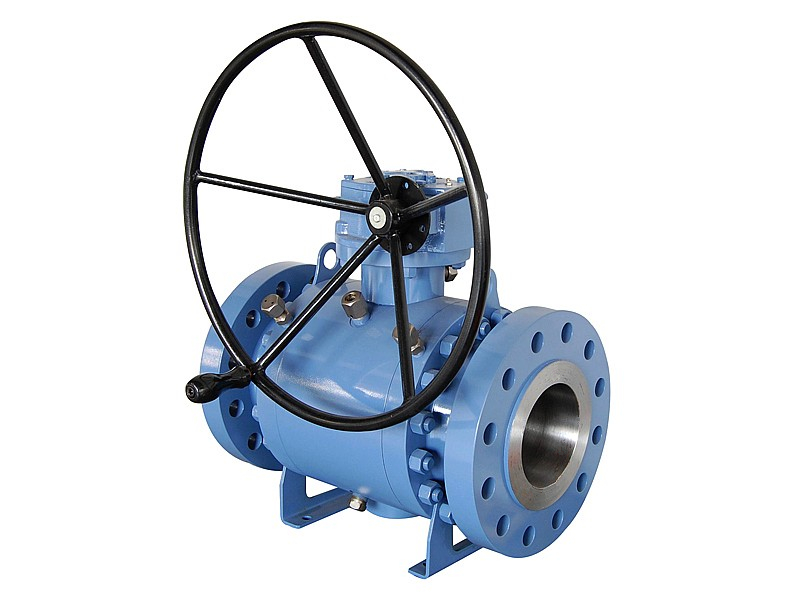
Underground Ball Valve is a critical component in buried pipeline systems, designed to control the flow of water, gas, oil, or other fluids safely and efficiently. Despite robust design and durable materials, these valves can develop leakage over time due to environmental factors, wear, or improper operation. Regular maintenance and careful inspection are essential to prevent leaks, maintain system integrity, and reduce costly pipeline disruptions. Understanding the common causes of leakage and implementing effective maintenance strategies can ensure long-term operational reliability.
The Importance of Regular Inspections
Routine inspections are a key part of underground ball valve maintenance. Inspecting valves allows operators to identify early signs of wear, corrosion, or mechanical failure before they escalate into significant problems. Visual inspection should focus on the valve stem, body, and sealing components. Testing for proper operation under normal system pressure is also recommended, as this can reveal hidden issues that are not apparent through visual examination alone. In many cases, inspection frequency is determined by the pipeline’s operational conditions, including fluid type, pressure levels, and environmental exposure.
Lubrication and Seal Care
Seals and moving components require proper care to maintain the valve’s leak-tight performance. Lubrication of the stem and other moving parts reduces friction and prevents premature wear. In valves operating in wet or corrosive soils, protective coatings and greases can provide an additional barrier against corrosion and soil infiltration. Seat seals and gaskets should be checked for signs of wear or cracking. Timely replacement of worn components prevents small leaks from developing into larger failures that could affect the entire pipeline system.
Common Causes of Leakage and How to Address Them
Several factors contribute to underground ball valve leakage. Material degradation due to corrosion or chemical exposure can weaken seals and valve bodies over time. Soil pressure or movement may also create stress on valve components, affecting the integrity of welded or bolted joints. Improper operation, such as using excessive force to open or close the valve, can damage seals or the ball mechanism. Addressing these causes involves selecting corrosion-resistant materials, ensuring proper installation, and performing regular operational checks. Replacing compromised seals, repairing minor cracks, or adjusting valve alignment can restore performance without requiring full replacement.
Maintenance Scheduling Recommendations
A well-structured maintenance schedule ensures that underground ball valves remain reliable over the long term. Quarterly inspections are recommended in high-use or high-pressure pipelines, while annual inspections may be sufficient for lower-risk systems. Maintenance procedures should include lubrication, seal replacement, operational testing, and visual inspection for corrosion or soil damage. Maintaining detailed records of inspections and maintenance activities allows operators to track valve performance over time, identify trends, and plan preventative actions. Combining routine maintenance with thoughtful design features, such as extended stems or fully welded bodies, enhances accessibility and reduces the risk of leakage.
Best Practices for Valve Longevity
In addition to regular maintenance, several practices support long-term valve reliability. Keeping soil around the valve dry and compact can reduce external pressure and corrosion risk. Ensuring valves are operated within their designed pressure and temperature limits prevents mechanical stress. Training personnel in proper operation techniques reduces accidental damage. Periodic cleaning of valve chambers and removal of debris also helps maintain smooth operation. By integrating these practices into standard maintenance routines, operators can significantly reduce the likelihood of leakage and extend the service life of underground ball valves.
Effective maintenance is essential for ensuring that underground ball valves continue to operate safely and reliably. By combining regular inspection, proper lubrication, timely seal replacement, and careful operation, operators can prevent leakage issues that compromise pipeline performance. Understanding the factors that contribute to valve deterioration and implementing preventative measures allows infrastructure managers to maintain consistent flow control while reducing maintenance costs and downtime. With a proactive maintenance approach, underground ball valves can provide dependable service in a variety of pipeline systems over many years.



 English
 русский
 Español
 عربى
عربى