English
 русский
 Español
 عربى
عربى
Industry News
Home / News / Industry News / Underground Ball Valve: Material and Design Considerations for Durable Applications
2026-02-06
The selection of an Underground Ball Valve extends beyond a simple component choice; it represents a long-term decision impacting the integrity of a pipeline system. Buried installations require components that perform reliably without direct access for inspection. Therefore, understanding how material selection and design philosophy contribute to durability is central to specifying valves that align with the expected service life of the infrastructure they support.
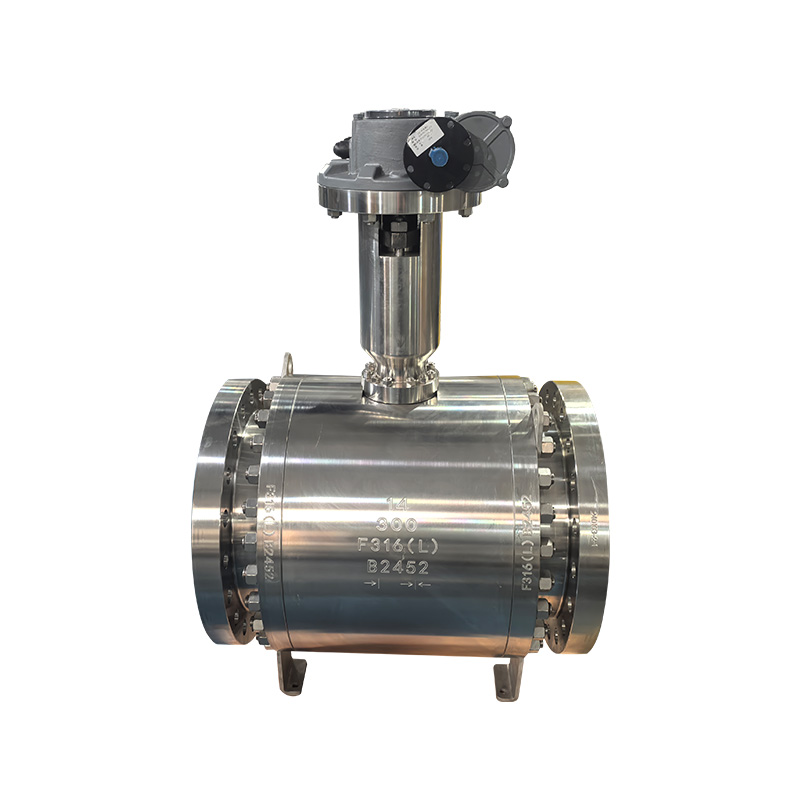
The operating environment dictates material requirements for an Underground Ball Valve. Valve bodies are commonly fabricated from ductile iron, which offers a balance of mechanical strength and cost-effectiveness for many water distribution systems. For pipelines operating under higher pressures or in more demanding services, carbon steel is frequently specified. In locations with challenging soil conditions or where the conveyed medium is corrosive, stainless steel alloys provide enhanced resistance to chemical attack.
Internal components demand equal attention. The valve stem, a critical load-bearing part, is typically machined from solid stainless steel bar stock to maintain integrity under torsional and thrust loads. Sealing elements, such as seats and seals, utilize engineered polymers. These materials are chosen for their ability to retain elasticity and sealing force over time when exposed to water, natural gas, or other media, while accommodating a range of operating temperatures.
Design choices fundamentally shape the lifecycle of an Underground Ball Valve. A welded body configuration, where the valve body is continuously welded into the pipeline, is a significant design approach. This method eliminates potential leakage paths associated with bolted flange connections and presents a uniform external surface for protective coatings.
The extension stem is another necessary design feature. It bridges the distance between the buried valve and the surface, terminating in a secure service box. This arrangement allows for routine operation without excavation. The design of this stem and its housing must prevent ingress of surface water and soil, protecting the internal mechanism. Furthermore, features like an anti-blowout stem design contribute to operational safety by securing internal components under pressure.
Specifying the appropriate combination of materials and design is not a generic process. It requires an assessment of the specific application. Key considerations include the chemical composition of the soil and groundwater, which influences external corrosion protection needs. The nature of the pipeline medium—whether potable water, treated wastewater, or natural gas—determines compatibility requirements for internal materials and coatings. System operating pressure and temperature define the necessary pressure class and thermal resilience of the selected components. A valve intended for a major transmission line may have different specification priorities compared to one used in a local distribution network.
A durable Underground Ball Valve results from informed decisions regarding its construction materials and inherent design features. By evaluating the service conditions and prioritizing integration and protection, specifiers can support pipeline reliability. The focus shifts from initial procurement to sustained performance, contributing to a system that functions as intended over its planned lifetime. This approach supports infrastructure management by aiming to reduce unexpected interventions and maintain continuous service.
Model:
Model:
Model:
 Phone: +86-15325080303
Tel: +86-0577-67388008
Email: info@fy-valve.com
Phone: +86-15325080303
Tel: +86-0577-67388008
Email: info@fy-valve.com
Quick Links
Contact Us
Copyright ©
Fangyuan Valve Group Co., Ltd.
All Rights Reserved.
China Valve Manufacturer