English
 русский
 Español
 عربى
عربى
Industry News
Home / News / Industry News / Underground Ball Valve Corrosion Resistance Enhances Long-Term Pipeline Reliability
2026-02-24
Underground Ball Valve is an essential component in buried pipelines, designed to control the flow of liquids and gases safely and efficiently. One of the most critical factors affecting the longevity and reliability of these valves is corrosion. Soil composition, moisture content, and chemical exposure can all contribute to the gradual deterioration of valve materials. Ensuring that underground ball valves have adequate corrosion resistance is vital for maintaining long-term pipeline reliability and minimizing maintenance costs. Proper material selection, protective coatings, and thoughtful design all contribute to enhanced corrosion performance.
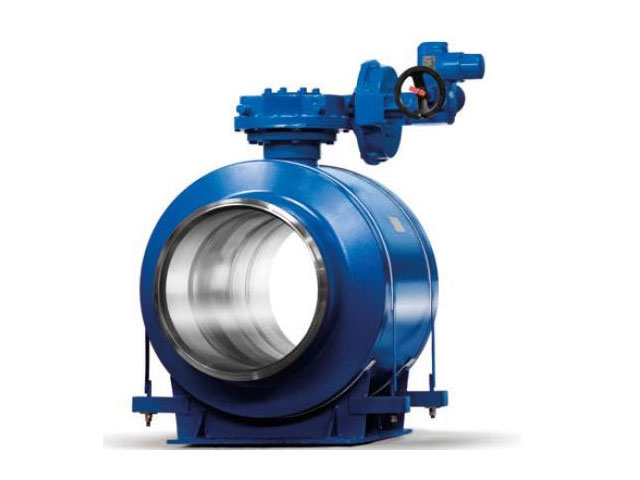
Material choice is a primary consideration in corrosion prevention for underground ball valves. Stainless steel, certain alloys, and treated carbon steel offer varying degrees of resistance to soil, moisture, and chemical exposure. Stainless steel is particularly effective in resisting oxidation and maintaining structural integrity over time. Carbon steel can also perform well when combined with protective coatings or surface treatments. Selecting materials that are compatible with the operational environment reduces the risk of leaks, structural failures, and costly maintenance interventions.
In addition to base materials, protective coatings are commonly used to enhance corrosion resistance. Epoxy, polyurethane, or fusion-bonded coatings can create barriers between the valve body and the surrounding soil. These coatings prevent moisture and chemicals from coming into direct contact with the metal surfaces, slowing down corrosion and extending the service life of the valve. Periodic inspection and maintenance of coatings are necessary to ensure continued protection, particularly in areas with high groundwater levels or aggressive soil conditions.
The structural design of underground ball valves also contributes to corrosion resistance. Fully welded bodies reduce the number of joints and exposed surfaces that could be vulnerable to corrosion. Extended stems and protective sleeves allow for ground-level operation without exposing critical components to the environment. Proper sealing of the ball and seat interface prevents fluid infiltration that could accelerate internal corrosion. By combining thoughtful design with corrosion-resistant materials, engineers can significantly enhance the reliability and longevity of buried valves.
Even with corrosion-resistant materials and protective designs, maintenance is essential to sustain valve performance. Regular inspection of external coatings, cleaning of protective sleeves, and lubrication of moving components help prevent corrosion-related failures. Seal integrity should be checked periodically, and any signs of wear, cracks, or corrosion should be addressed promptly. Maintenance routines that align with the specific environmental conditions of the pipeline help ensure the valves remain functional and reliable for long-term operation.
Corrosion can lead to leakage, reduced flow efficiency, and unexpected downtime in pipeline systems. By investing in underground ball valves with strong corrosion resistance, operators can maintain continuous operation and reduce the likelihood of service interruptions. Corrosion-resistant valves not only enhance operational safety but also contribute to cost savings by decreasing the need for frequent repairs or replacements. In environments with harsh soil conditions or high moisture content, corrosion-resistant valves play a crucial role in protecting the integrity of the entire pipeline network.
Ensuring that underground ball valves possess adequate corrosion resistance is fundamental to achieving long-term pipeline reliability. By selecting appropriate materials, applying protective coatings, and incorporating corrosion-aware design features, operators can significantly reduce the risk of leaks, damage, and operational downtime. Routine maintenance and inspection further support the durability and performance of these valves. A comprehensive approach to corrosion resistance allows buried pipeline systems to operate safely and efficiently over extended periods, providing consistent flow control while minimizing maintenance efforts.
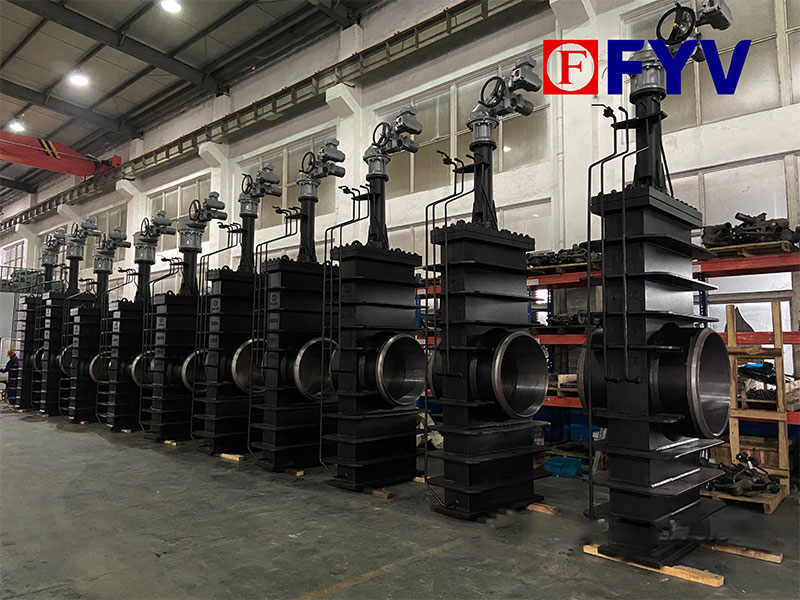
Model:
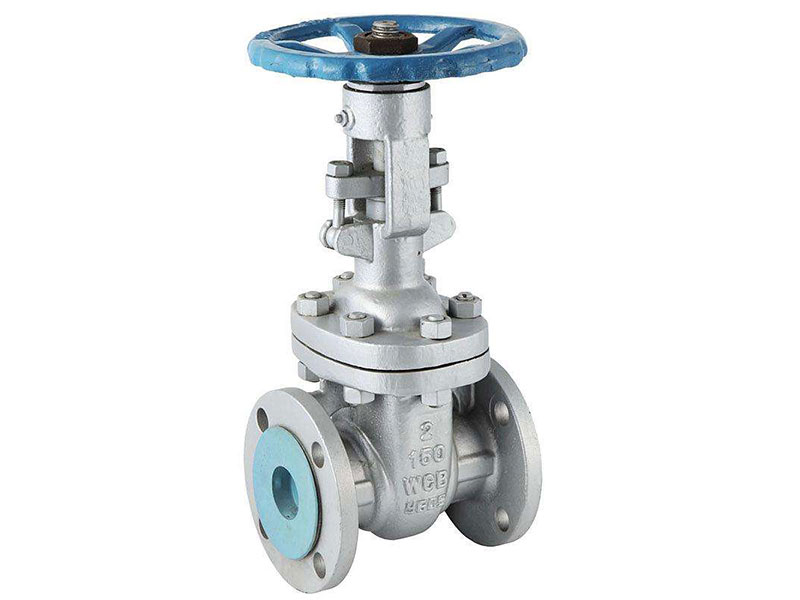
Model:
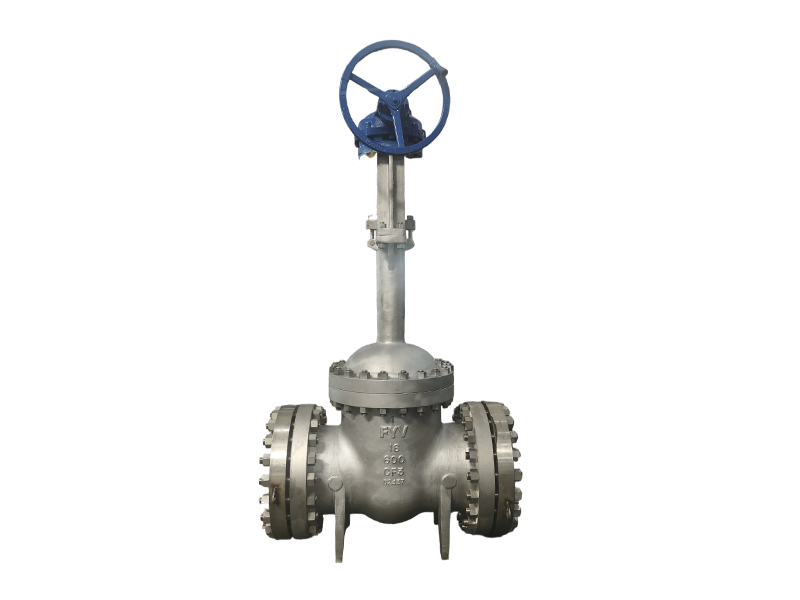
Model:
 Phone: +86-15325080303
Tel: +86-0577-67388008
Email: info@fy-valve.com
Phone: +86-15325080303
Tel: +86-0577-67388008
Email: info@fy-valve.com
Quick Links
Contact Us
Copyright ©
Fangyuan Valve Group Co., Ltd.
All Rights Reserved.
China Valve Manufacturer