In many pipeline projects, attention is usually focused on design stage performance, installation quality, and how smoothly the system starts running. At that moment, everything appears stable. Connections are tight, alignment is correct, and pressure conditions are within expected range.
However, pipelines are not static systems. Once operation begins, they enter a long working cycle where conditions slowly change over time. Pressure does not stay constant, temperature shifts depending on process conditions, and external environments begin to influence components in subtle ways.
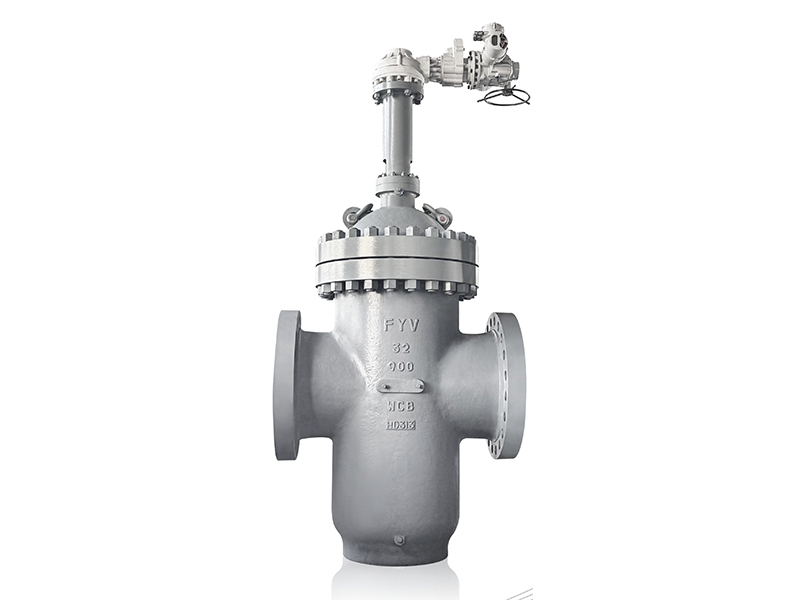
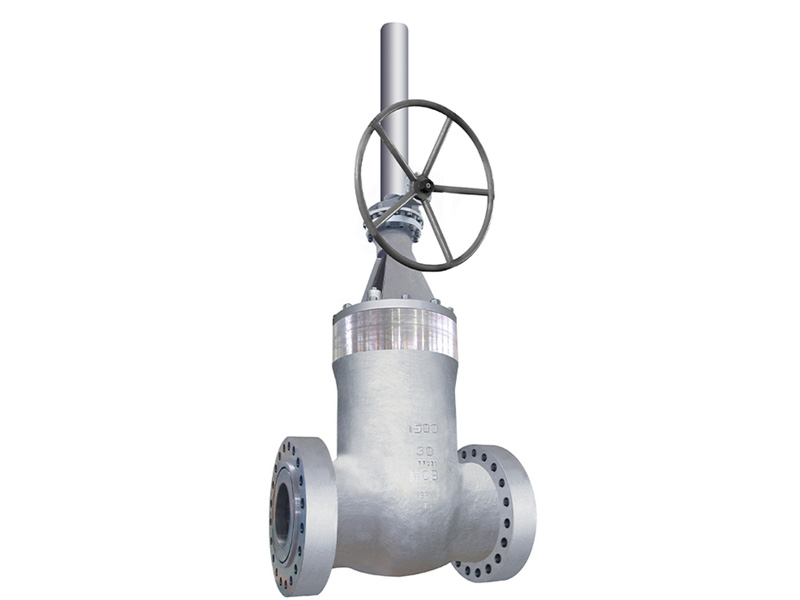
Valves, as key control elements in the system, are directly affected by these long term changes. Among different designs, the full welded valve structure is often used in applications where long term stability is more important than frequent access or adjustment.
Its influence on pipeline safety does not come from one single feature, but from how its structure behaves under continuous operation.
What A Full Welded Valve Structure Really Means
A full welded valve is built in a way that the main body is joined through welding rather than mechanical fastening. Instead of using bolts or split sections, the structure is formed into a continuous shell.
This means the valve body behaves more like one unified piece rather than multiple assembled parts.
In practical terms, this changes how the valve reacts to:
- Internal pressure changes
- External environmental stress
- Long term mechanical vibration
- Temperature expansion and contraction
There are fewer separate interfaces inside the body, which changes how force is transferred across the structure during operation.
Why The Difference Is Not Obvious At The Beginning
At the installation stage, different valve types often appear very similar in performance. Sealing is intact, system pressure is stable, and everything functions as expected.
This is why structural differences are not always noticed immediately.
The real difference becomes clearer only after the system has been operating for a period of time.
As operation continues, pipelines begin to experience:
- Repeated pressure cycles
- Temperature variations
- External environmental influence
- Continuous flow vibration
At this stage, the internal structure of the valve starts to play a more visible role in how it behaves.
Fewer Joints Means Fewer Things That Can Go Wrong
One of the most direct characteristics of a full welded valve is the reduction of external connection points.
In bolted or multi piece designs, each joint introduces a small dependency:
- Bolt tension consistency
- Gasket condition
- Surface contact stability
Over time, these elements can slowly change due to normal operating conditions.
A welded structure removes many of these variables. Instead of multiple connection points, the body behaves as a continuous surface.
This does not eliminate risk completely, but it reduces the number of areas where changes can develop.
How Pressure Changes Affect Different Valve Structures
Pipeline systems rarely operate under constant pressure. Changes in flow demand and system operation create repeated pressure cycles.
In multi joint structures, these cycles may gradually influence connection areas. Even small shifts can affect how force is distributed across the valve body.
In a full welded structure, pressure is transferred through a continuous body. Instead of concentrating at joints, stress is spread more evenly.
Over time, this difference affects how the valve maintains stability under repeated load conditions.
What Happens When Temperature Keeps Changing
Temperature variation is another factor that affects long term performance.
All materials expand and contract when temperature changes. In structures with multiple sections, different parts may respond slightly differently, especially at connection interfaces.
In a welded valve body, movement is more unified. Expansion tends to follow a more consistent pattern across the structure.
This reduces the chance of small misalignments forming at connection areas during long term operation.
Why Leakage Often Starts From Connection Areas
In pipeline systems, leakage rarely happens randomly. It usually appears at points where different components meet.
In bolted designs, sealing depends on multiple factors working together:
- Tightness of fasteners
- Condition of sealing surfaces
- Stability of contact pressure
Over time, even small variations in these factors can create weak points.
A full welded structure reduces the number of external sealing interfaces. This changes the way potential leakage paths are formed, especially during long term operation.
Why Buried Pipelines Make Structure More Important
In underground pipeline systems, access is limited after installation. This makes long term reliability more important than ease of disassembly.
A welded valve structure is often used in these environments because:
- It does not require regular tightening
- It reduces exposed connection points
- It maintains structural form over long periods
Once installed, it is expected to operate without frequent intervention, so structural stability becomes a key factor.
How External Environment Slowly Affects The Valve Body
Pipelines are exposed to environmental conditions even when buried or protected. Soil pressure, moisture changes, and surrounding movement can all influence system behavior.
Over time, these external factors interact with the valve body.
A continuous structure tends to distribute external influence more evenly. Instead of concentrating stress at connection points, force spreads across the surface.
This leads to a more gradual and predictable response over long periods.
Vibration Does Not Cause Immediate Issues But It Accumulates
In systems where pumps, flow variation, or mechanical equipment are involved, vibration is a normal condition.
It may not create immediate problems, but long term exposure can influence connection stability.
In multi joint structures, vibration may gradually affect:
- Joint alignment
- Contact pressure consistency
- Surface stability
A welded structure reduces the number of interfaces where micro movement can occur, which helps maintain alignment over long operating cycles.
Maintenance Strategy Changes With Valve Structure
Different valve structures require different maintenance approaches.
Bolted designs allow easier disassembly, which can be useful for inspection or repair. However, they often require periodic checks to maintain joint condition.
Full welded structures reduce the need for frequent adjustment at external connection points.
This shifts maintenance focus toward:
- System level inspection
- Monitoring rather than adjustment
- Long term condition evaluation
In systems where access is limited, this approach is often more practical.
A Simple Comparison For Daily Understanding
| Aspect |
Full Welded Valve |
Bolted Structure Valve |
| External joints |
Fewer |
Multiple |
| Stress distribution |
More uniform |
Concentrated at joints |
| Pressure response |
More stable |
Joint dependent |
| Temperature behavior |
More consistent |
Interface variation |
| Leakage tendency |
Lower risk points |
More potential paths |
| Maintenance style |
Less adjustment needed |
Periodic tightening required |
Pipeline Safety Depends On More Than One Factor
It is important to understand that valve structure alone does not determine pipeline safety.
Other factors also play important roles:
- Installation quality
- Material selection
- Operating conditions
- System design
- Maintenance planning
However, structure affects how these factors interact over time. A more unified body design tends to reduce the number of variables that can change during operation.
Why Different Projects Use Different Valve Structures
In real engineering applications, valve selection depends on system requirements rather than a single standard.
Full welded valves are often considered in situations such as:
- Underground pipelines
- Remote installations
- Systems with limited maintenance access
- Long term stable operation requirements
Other applications may require more accessible structures depending on maintenance strategy or system design flexibility.
The structure of a full welded valve influences pipeline safety gradually over time rather than immediately. Its continuous body design reduces external connection points and changes how pressure, temperature, and environmental factors interact with the system.
As operation continues, these differences become more noticeable. Stress distribution becomes more uniform, external leakage paths are reduced, and long term behavior becomes more predictable.
In applications where stability and limited access are important, this structural approach fits naturally with long term operational needs.



 English
 русский
 Español
 عربى
عربى