English
 русский
 Español
 عربى
عربى
Industry News
Home / News / Industry News / Full Welded Valve: Choosing the Right Material and Sealing Design for Your System
2025-12-05
Selecting a Full-Welded Valve is a long-term commitment to the integrity of a piping system. While the welded construction offers a permanent seal to the external environment, the internal performance depends fundamentally on the compatibility of the valve’s materials and sealing design with the intended service conditions. An unsuitable choice can compromise functionality and system safety. This guide outlines a structured approach to evaluating material and sealing design options.
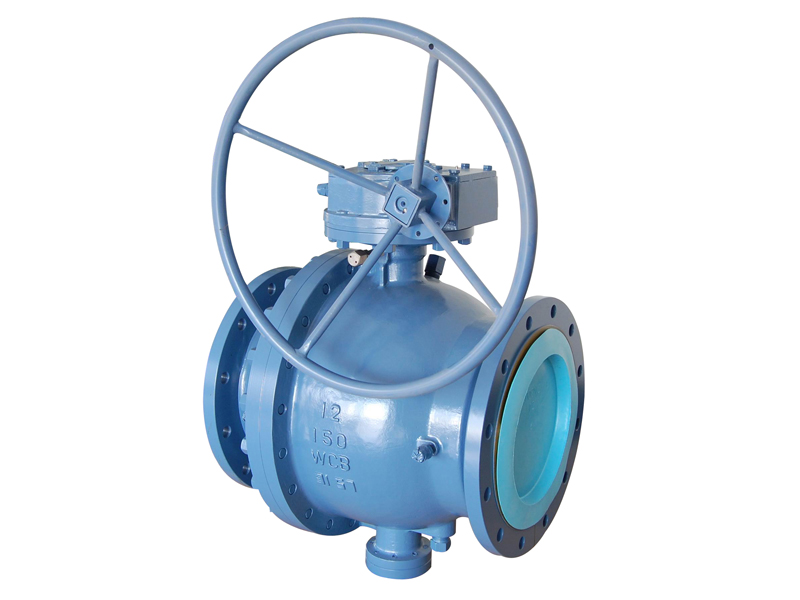
Valve materials must be viewed as a system, with the body, trim, and seals each serving a specific purpose. The primary driver for material selection is the nature of the fluid being handled. For corrosive media, including those containing chlorides or acids, stainless steels such as 316L or duplex varieties are often considered. Their resistance to chemical attack supports long-term service life. For applications involving hydrocarbons at elevated temperatures, chromium-molybdenum alloy steels are frequently specified due to their maintained strength under thermal stress.
Beyond fluid compatibility, operational temperature is a critical factor. Materials certified for low-temperature service are treated to prevent embrittlement, while those for high-temperature applications are selected for their resistance to creep and oxidation. It is necessary to balance material capabilities with practical considerations, avoiding both overspecification, which increases initial cost without benefit, and underspecification, which risks premature failure.
The sealing system is what defines a valve's internal leak-tightness. Seals are broadly categorized into soft and metal types. Soft seals, made from polymers like PTFE or reinforced thermoplastics, provide effective sealing at lower pressures and across a range of temperatures. They offer low operating torque but have defined limits regarding temperature and wear resistance.
Metal-to-metal seals, typically involving hardened surfaces, are employed in services where soft seals would degrade, such as in very high-temperature lines. A key feature in many critical applications is a fire-safe design. This design incorporates secondary metal seals that engage to maintain a seal if the primary soft seal is compromised by heat. Another functional consideration is the Double Block and Bleed (DBB) capability, which allows the valve to isolate fluid from both sides and vent the cavity between seals, enhancing maintenance safety.
A practical way to understand selection is through scenario-based thinking. For instance, in a buried natural gas distribution network, a common choice might be a carbon steel valve body with elastomeric or polymer seals, balancing corrosion protection with effective sealing for a gaseous medium at moderate pressures.
In contrast, a processing line for a hot, abrasive slurry would demand a different approach. Here, materials resistant to erosion, such as those with hardened trim, and a sealing design that can tolerate particulate matter without rapid degradation, would be evaluated. The valve design might also include features to prevent solids from settling in the cavity.
The process of choosing materials and sealing designs for a Full Welded Valve is inherently integrative. It requires aligning the valve's construction with the system's pressure, temperature, fluid characteristics, and operational safety protocols. A methodical review of these factors helps in specifying a valve that delivers reliable containment and control. Engaging in detailed discussions with technical specialists during the specification phase is a recommended step to align valve capabilities with project requirements.
Model:
Model:
Model:
 Phone: +86-15325080303
Tel: +86-0577-67388008
Email: info@fy-valve.com
Phone: +86-15325080303
Tel: +86-0577-67388008
Email: info@fy-valve.com
Quick Links
Contact Us
Copyright ©
Fangyuan Valve Group Co., Ltd.
All Rights Reserved.
China Valve Manufacturer