English
 русский
 Español
 عربى
عربى
Industry News
Home / News / Industry News / Full Welded Valve: Ensuring Compliance with Industry Standards and Certifications
2025-12-12
In industries where safety and reliability are non-negotiable, specifying a Full Welded Valve extends beyond functional requirements to adherence to recognised industry standards and certifications. These documents establish consistent benchmarks for design, manufacturing, and testing, providing a common language for performance and safety between manufacturers and end-users. Understanding these requirements is fundamental to project execution, as non-compliance can lead to operational failures, regulatory penalties, or even catastrophic safety incidents.
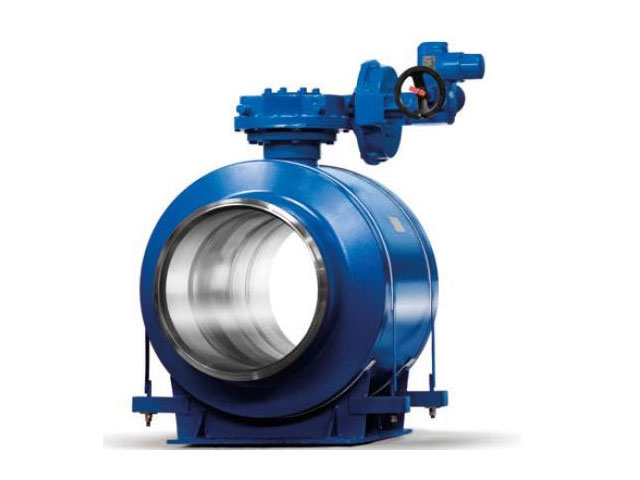
Several key standards govern the production of pipeline valves. Standards such as API 6D and its international equivalent, ISO 14313, provide comprehensive specifications for valves used in pipeline systems—including onshore and offshore oil and gas transmission lines. They cover essential aspects, including pressure-temperature ratings, design criteria, material groups, and required examinations like non-destructive testing (NDT) for welds. Another widely referenced standard, ASME B16.34, defines requirements for valve wall thickness, pressure-temperature ratings, and materials for flanged, threaded, and welding end valves. Compliance with these standards signifies that a valve is designed and built to published industry criteria, ensuring interoperability with existing systems.
Beyond general standards, certain service environments demand specific certifications. Fire-safe certification, demonstrated through testing per standards like API 607 (for quarter-turn valves) or API 6FA (for all valve types), verifies that a valve can maintain a degree of sealing integrity during and after exposure to flame—typically 30 minutes at high temperatures— a critical factor for safety in hydrocarbon service. For systems containing hydrogen sulfide (H2S), material specifications are governed by standards like NACE MR0175/ISO 15156. Compliance indicates that the valve materials have been selected and treated to resist sulfide stress cracking, a form of environmentally assisted failure. Similarly, valves intended for cryogenic service require validation through impact testing at designated low temperatures (e.g., -196°C for liquid nitrogen service) to confirm material toughness.
Conformance to standards is supported by traceable documentation. This documentation package typically includes Material Test Certificates (MTCs) for all pressure-containing parts (per EN 10204 3.1B or higher), records of welding procedures (WPS) and operator qualifications (WPQ), and comprehensive reports from Factory Acceptance Testing (FAT). The FAT often includes shell tests (hydrostatic or pneumatic), seat tests (low-pressure and high-pressure), and operational tests witnessed or reviewed by the purchaser or a designated third-party inspection authority (like DNV or ABS). This documentary trail assures that the manufactured product meets the specified requirements and allows for traceability throughout its lifecycle.
The integration of standard requirements occurs at every stage of the valve lifecycle, from initial design and material procurement to final testing. Manufacturers incorporate these rules into their engineering and quality management systems (QMS), often certified to ISO 9001. For large projects, independent third-party inspectors are frequently engaged to verify that manufacturing and testing processes align with the purchase specification and referenced standards, adding a layer of objective validation. This oversight is particularly crucial for critical applications such as nuclear power plants or subsea pipelines, where valve failure could have severe consequences.
Specifying a full-welded valve with clear references to applicable industry standards and certifications is a foundational step in managing project risk. It establishes a verifiable framework for quality, safety, and performance. When reviewing valve proposals, a close examination of the offered standard compliance and available certifications provides significant insight into a product's suitability for the intended application. A well-documented valve provides confidence in its long-term service capability, reducing maintenance costs and unplanned downtime over its operational life.
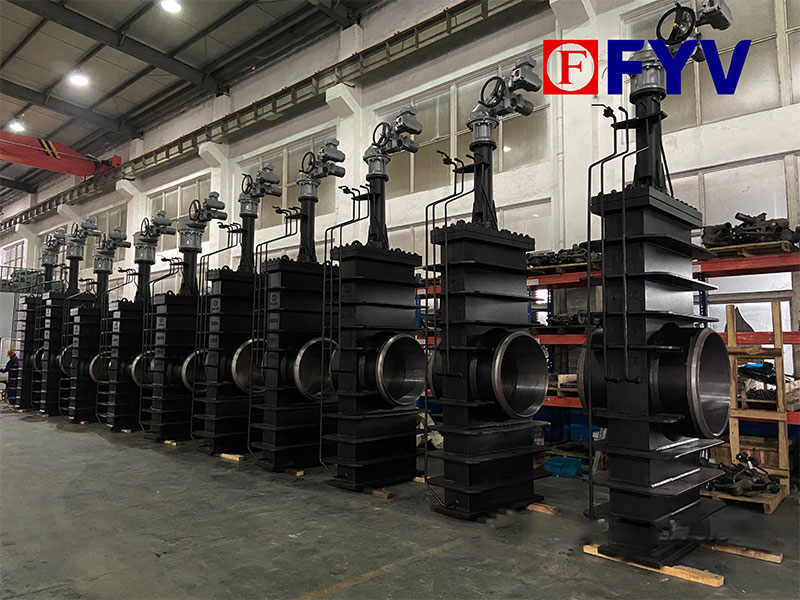
Model:
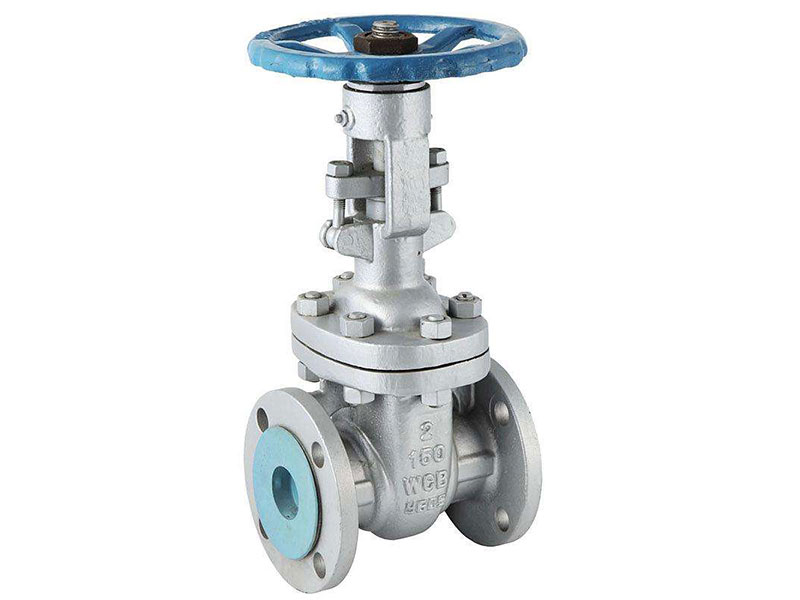
Model:
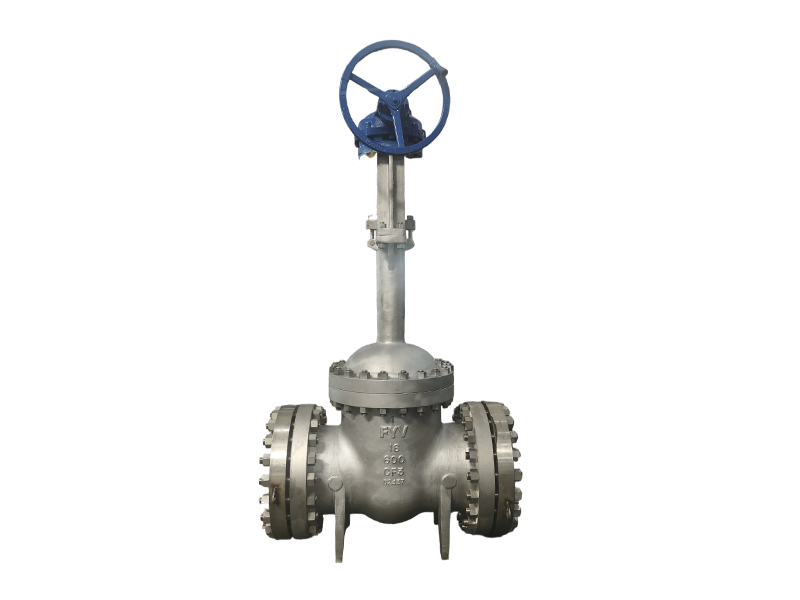
Model:
 Phone: +86-15325080303
Tel: +86-0577-67388008
Email: info@fy-valve.com
Phone: +86-15325080303
Tel: +86-0577-67388008
Email: info@fy-valve.com
Quick Links
Contact Us
Copyright ©
Fangyuan Valve Group Co., Ltd.
All Rights Reserved.
China Valve Manufacturer