English
 русский
 Español
 عربى
عربى
Industry News
Home / News / Industry News / Full Welded Valve: Selecting the Right Sealing Solution for Harsh Environments
2025-12-19
The defining benefit of a Full Welded Valve—its permanent, leak-tight connection to the pipeline—is particularly valued in harsh service environments. However, these same environments, characterized by extreme temperatures, corrosive media, or abrasive flows, present distinct challenges to the valve's internal sealing components. A sealing system must be specifically considered to handle these conditions effectively over its service life.
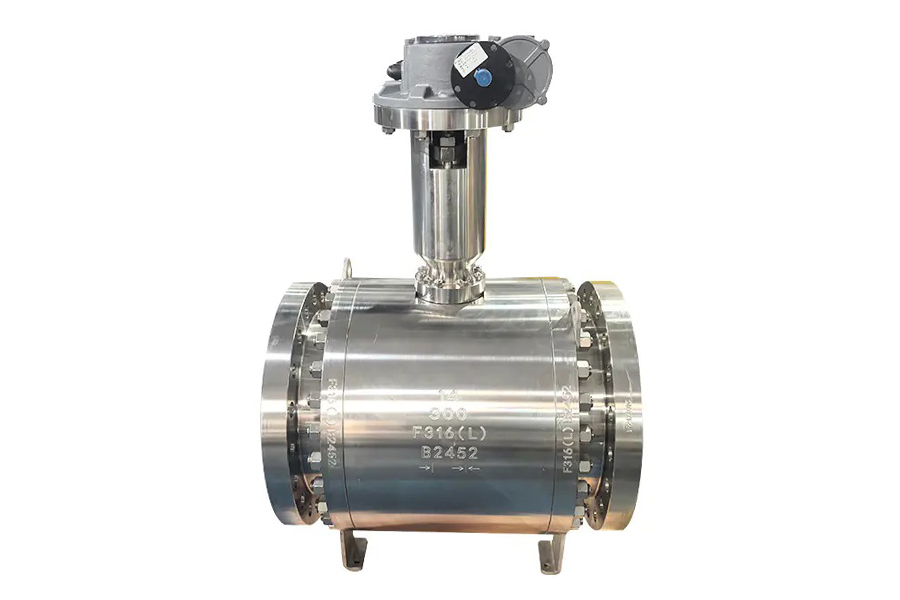
Temperature is a primary factor influencing seal behavior. In cryogenic applications, such as liquefied natural gas (LNG) service, where temperatures can drop to -162°C, elastomeric materials can lose elasticity, and some polymers may become brittle. Sealing solutions for these conditions often use specially formulated polymers like perfluoroelastomers and incorporate design features that accommodate material contraction while maintaining sealing contact.
At the opposite end of the spectrum, high-temperature steam (exceeding 400°C in power generation) or process gases can degrade conventional soft seals through thermal decomposition or hardening. For sustained high-temperature service, metal-seated seals or seals constructed from high-performance thermoplastics with appropriate temperature ratings are explored. The thermal expansion characteristics of all sealing components must be compatible to avoid binding or loss of seal.
Corrosive fluids require seals made from inert materials. The selection depends on the specific chemical composition, concentration, and temperature. Polymers from the fluorocarbon family, such as PTFE, are often used for their broad chemical resistance, while for more aggressive media like concentrated acids or solvents, seals with exotic material layers (e.g., Hastelloy coatings) or entirely metallic sealing surfaces may be necessary.
Abrasive media, like slurries in mining operations or catalyst-laden flows in petrochemical plants, cause wear through mechanical action. In these services, sealing designs that minimize contact stress during rotation or that utilize hardened wear-resistant surfaces (e.g., tungsten carbide) on both the ball and seat can extend service intervals. Some valve designs incorporate features that help prevent solids from settling in the seat area, which can impede closure and damage seals.
High system pressure demands a robust sealing solution. Many valves use a pressure-energized design, where system pressure is applied behind the seat ring to increase its contact force against the ball. This design helps maintain sealing as pressure increases, though it requires careful management of operating torque. For systems with significant pressure cycling, such as offshore oil pipelines, the seal design must accommodate repeated loading and unloading without fatigue or deformation.
Selecting a seal for a demanding application is rarely about finding a single perfect material. It involves a systems approach that considers the entire valve design. This includes the seat retention method, spring loading mechanisms to ensure initial seal contact, and the surface finishes on sealing components (e.g., Ra values below 0.8 μm for critical sealing faces). Prototype testing under simulated service conditions is a valuable step for validating performance before full-scale deployment.
Specifying a full-welded valve for a harsh environment necessitates a focused review of the sealing subsystem. Success depends on matching the seal materials and mechanical design to the specific challenges of temperature, corrosion, abrasion, and pressure dynamics. Collaboration with valve engineers to analyze the service parameters allows for the development of a tailored sealing solution that supports reliable operation and contributes to the overall integrity of the pipeline system.
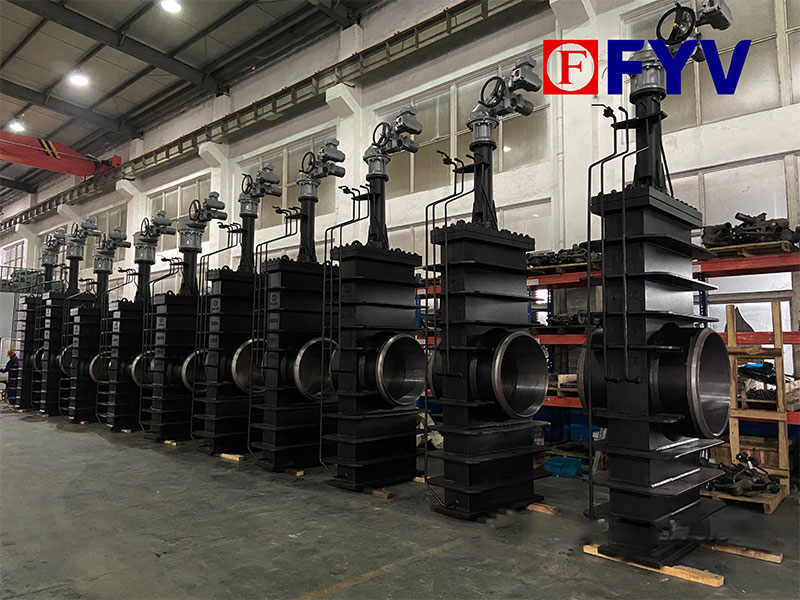
Model:
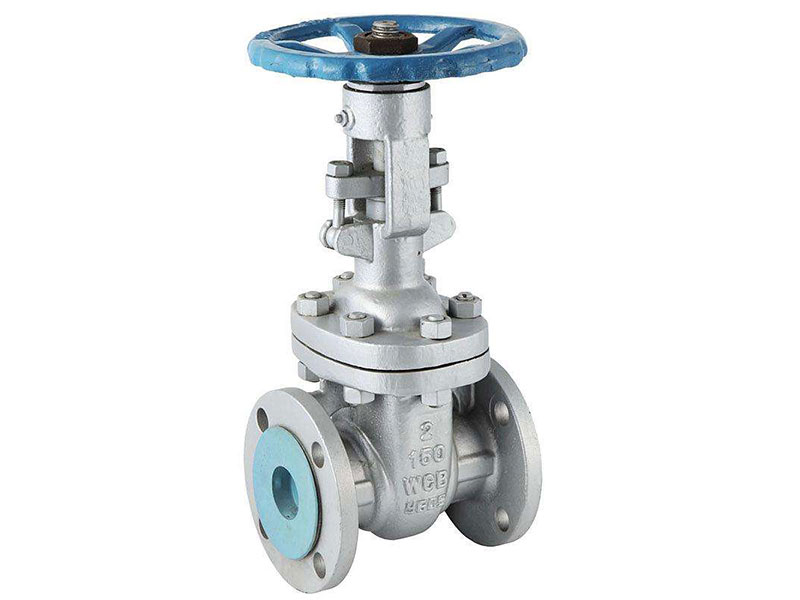
Model:
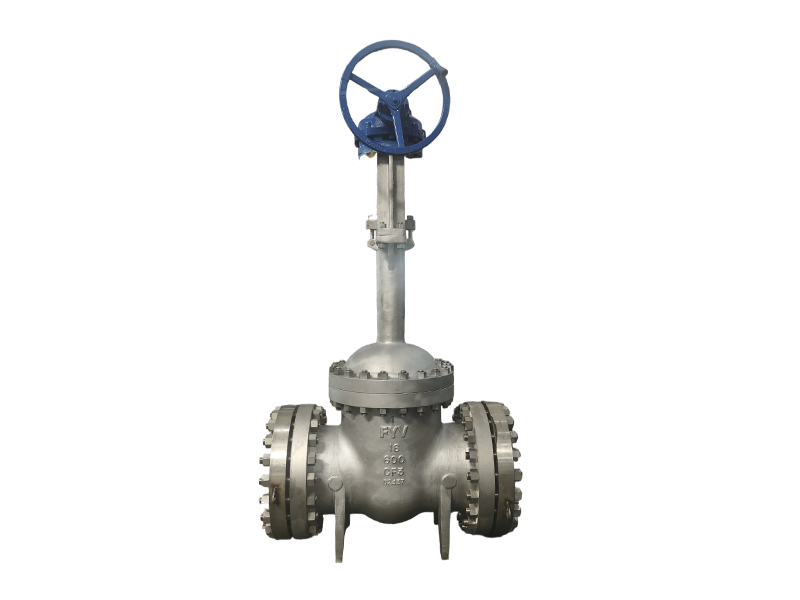
Model:
 Phone: +86-15325080303
Tel: +86-0577-67388008
Email: info@fy-valve.com
Phone: +86-15325080303
Tel: +86-0577-67388008
Email: info@fy-valve.com
Quick Links
Contact Us
Copyright ©
Fangyuan Valve Group Co., Ltd.
All Rights Reserved.
China Valve Manufacturer