English
 русский
 Español
 عربى
عربى
Industry News
Home / News / Industry News / How Can Oil Pipeline Operators Improve Efficiency with Better Valve Selection?
2026-07-10
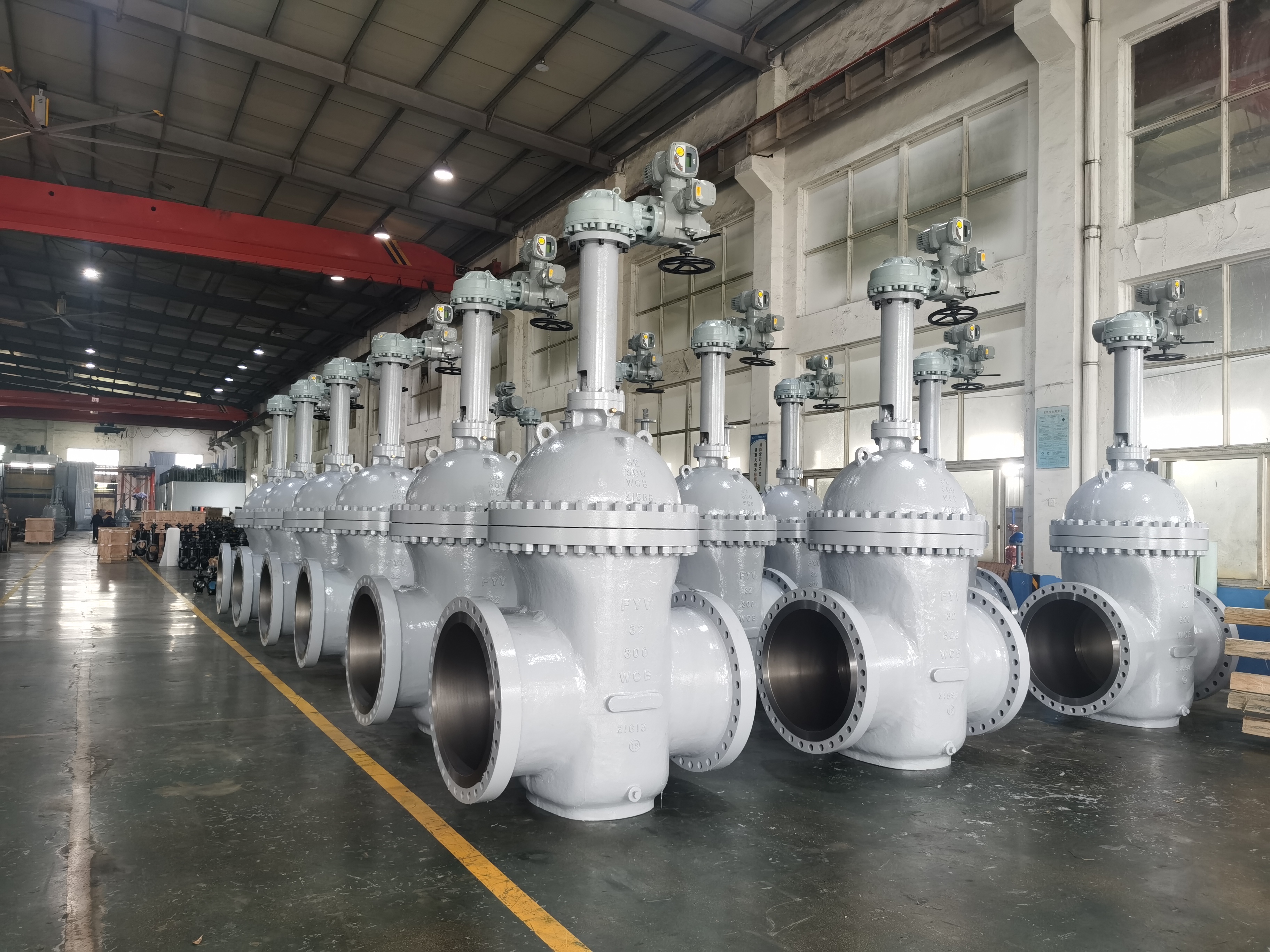
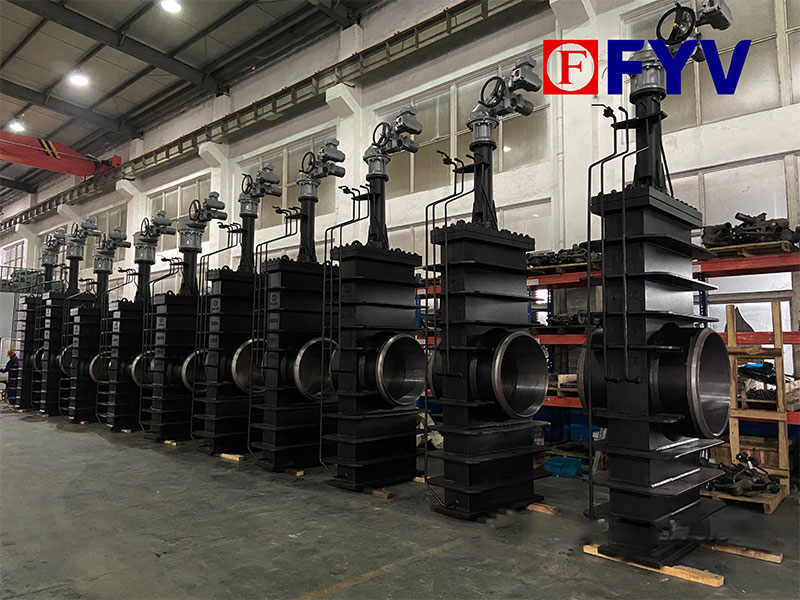
With increasing attention on pipeline safety, operational stability, and cost control, energy companies are reviewing every component that affects system performance. Among these components, the valve plays a critical role in controlling fluid flow, isolating pipeline sections, and supporting maintenance operations. Choosing a suitable Oil Pipeline Valve has become an important step for operators who want to improve reliability in complex working environments. Meanwhile, the demand for API 6D valve products continues to rise as global buyers look for standardized solutions that meet engineering expectations and project requirements.
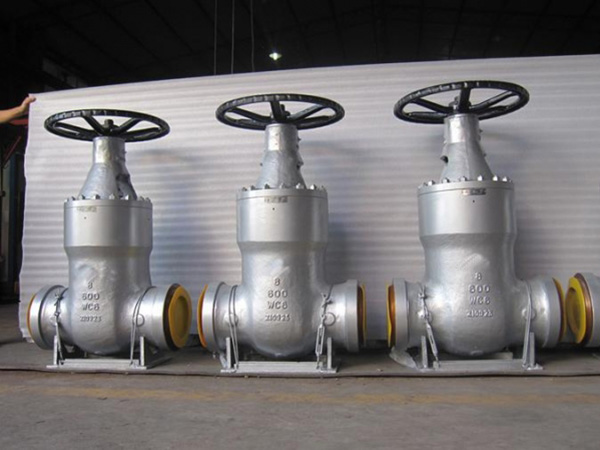
Why Are Pipeline Operators Reconsidering Their Valve Selection Strategy?
In many oil and gas projects, valve problems are not caused by a single factor. Improper product selection, unsuitable materials, insufficient testing, or limited technical communication can all affect long-term performance.
Today’s buyers are paying more attention to practical questions before placing orders:
These considerations show that valve purchasing is becoming more focused on reliability and lifecycle management rather than only initial investment.
The Role of API 6D Valves in Modern Pipeline Applications
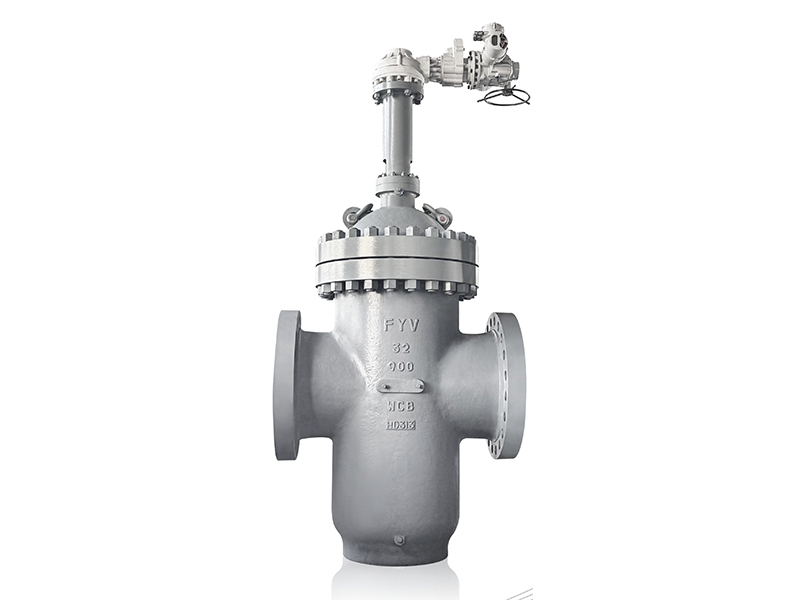
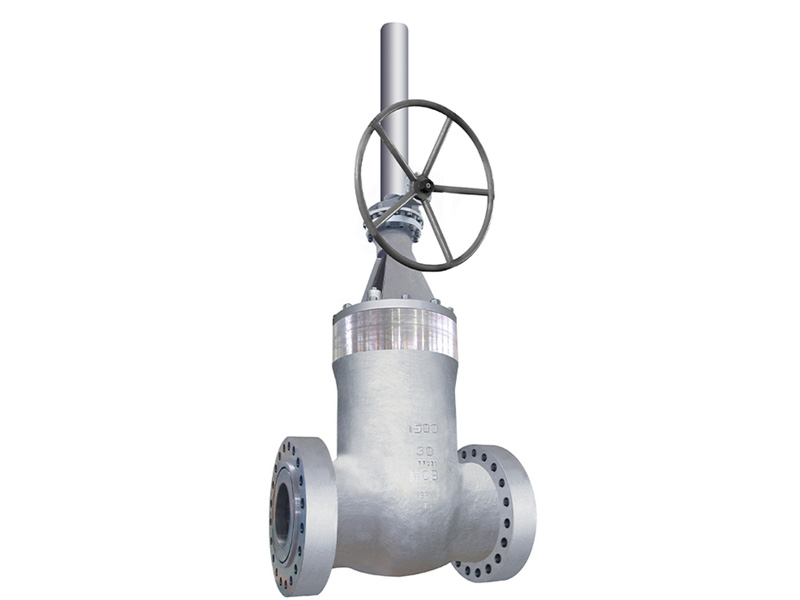
For transmission pipelines and energy infrastructure projects, an API 6D valve is widely recognized as an important solution for applications requiring strict quality control and reliable shut-off performance.
API 6D requirements cover key aspects such as design verification, pressure testing, and manufacturing inspection. For engineering companies and procurement teams, selecting valves based on recognized standards can simplify project approval and improve communication between suppliers, contractors, and end users.
A properly manufactured API 6D valve can support applications including:
The standard provides a foundation for consistent product performance across different markets.
How Does Valve Design Affect Pipeline Performance?
Valve structure directly influences operational efficiency. Different pipeline conditions require different engineering approaches, including considerations for pressure rating, temperature range, fluid characteristics, and installation environment.
When selecting an Oil Pipeline Valve, buyers should evaluate several important factors:
Sealing Performance
Reliable sealing helps prevent leakage and supports safer pipeline operation, especially during isolation or emergency shutdown situations.
Material Selection
Proper material choices improve resistance against corrosion, wear, and demanding operating conditions.
Maintenance Requirements
A practical design can reduce inspection difficulty and support more efficient maintenance planning.
By considering these factors during the early procurement stage, companies can reduce potential operational challenges after installation.
Why Manufacturing Capability Matters for Valve Reliability
A valve manufacturer’s production capability has a direct impact on final product quality. Consistent machining processes, professional assembly procedures, and strict inspection systems help ensure that each valve meets customer expectations.
Manufacturing quality often depends on several key processes:
For international buyers, these capabilities provide greater confidence when sourcing valves for critical pipeline applications.
What Should Global Buyers Expect from a Reliable Supplier?
Modern procurement teams increasingly prefer manufacturers that can provide complete support throughout the project. Product supply is only one part of a successful cooperation process.
A reliable valve supplier should be able to assist with:
This service-oriented approach helps overseas customers reduce communication barriers and improve project execution efficiency.
Improving Pipeline Reliability Through Smarter Procurement Decisions
As energy projects become more technically demanding, selecting the right valve supplier is becoming a strategic decision for many companies. A high-quality Oil Pipeline Valve can contribute to safer and more stable pipeline operation, while a properly manufactured Api6d Valve provides a trusted option for projects requiring standardized performance and dependable quality. By focusing on engineering compatibility, manufacturing expertise, and long-term cooperation, global buyers can build more reliable pipeline systems and achieve better operational value.
Model:
Model:
Model:
 Phone: +86-15325080303
Tel: +86-0577-67388008
Email: info@fy-valve.com
Phone: +86-15325080303
Tel: +86-0577-67388008
Email: info@fy-valve.com
Quick Links
Contact Us
Copyright ©
Fangyuan Valve Group Co., Ltd.
All Rights Reserved.
China Valve Manufacturer