English
 русский
 Español
 عربى
عربى
Industry News
Home / News / Industry News / Why Are More Energy Projects Prioritizing API 6D Valves for Pipeline Reliability?
2026-07-03
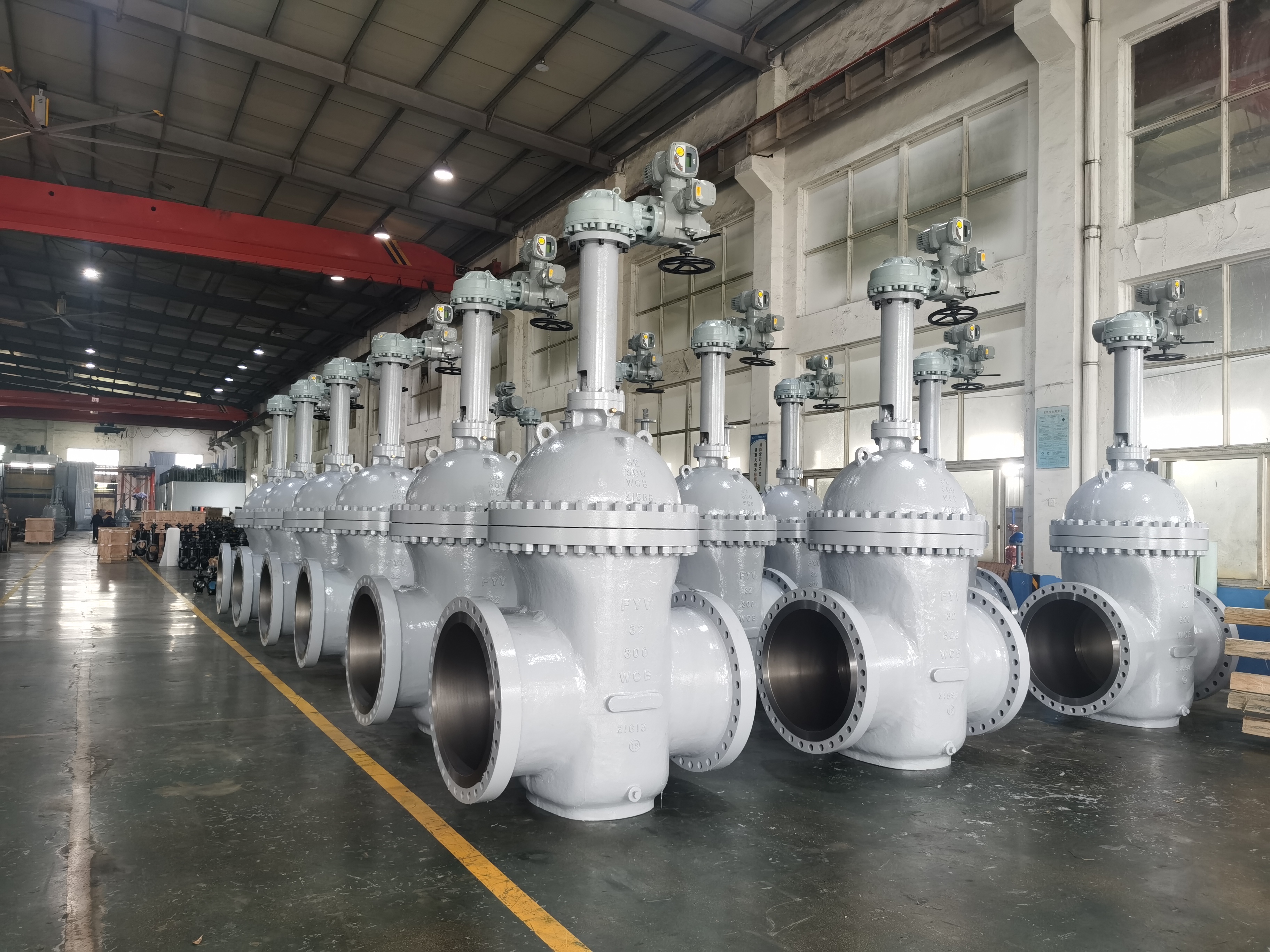
As global energy infrastructure continues to expand and existing pipeline networks undergo modernization, buyers are placing greater emphasis on long-term reliability, compliance, and maintenance efficiency. Whether for new transmission lines or upgrades to aging systems, selecting the right Oil Pipeline Valve has become a key engineering decision. At the same time, demand for API 6D valve solutions is growing as operators seek products that meet internationally recognized standards while reducing operational risks throughout the pipeline lifecycle.
What Challenges Are Pipeline Buyers Trying to Solve Today?
Across the oil and gas industry, procurement teams and engineers are asking similar questions: How can valve failures be minimized? Which valve standards simplify international projects? How can maintenance costs be reduced without compromising safety?
These concerns are driven by longer operating cycles, stricter project specifications, and the need for dependable equipment in remote locations. Buyers are no longer focused solely on purchase price. Instead, they evaluate total lifecycle value, including sealing performance, corrosion resistance, inspection requirements, spare parts availability, and supplier technical support.
Why API 6D Compliance Matters Beyond Project Specifications
Choosing an API 6D valve is about more than satisfying contract requirements. API 6D establishes recognized requirements for the design, manufacturing, testing, and inspection of pipeline valves used in oil and gas transportation systems.
For international EPC contractors and pipeline operators, standardized products offer several advantages:
Working with valves manufactured according to recognized standards also helps reduce uncertainty during procurement and project acceptance.
Selecting the Right Oil Pipeline Valve for Different Operating Conditions
Not every pipeline operates under the same conditions. Medium characteristics, pressure levels, temperature variations, and installation environments all influence valve selection.
When evaluating an Oil Pipeline Valve, buyers commonly consider factors such as valve type, material compatibility, sealing structure, operating method, and maintenance accessibility. Harsh environments may require enhanced corrosion resistance, while high-pressure transmission systems often demand robust sealing performance and precise manufacturing tolerances.
Discussing actual operating conditions with the manufacturer early in the project can help avoid specification mismatches and unnecessary redesign later.
Manufacturing Consistency Makes a Difference
From a manufacturer's perspective, stable production processes are just as important as product design. Even a well-designed valve cannot deliver reliable performance without consistent machining accuracy, material traceability, and thorough inspection procedures.
Professional manufacturers typically focus on:
These practices help ensure that every valve delivered performs consistently across different batches and project locations.
Supporting Global Procurement with Technical Expertise
Many overseas buyers are looking for suppliers that provide more than finished products. Technical communication before production often shortens project timelines and reduces procurement risks.
As a manufacturer, we work closely with customers to review technical drawings, confirm material selections, discuss application requirements, and prepare documentation according to project needs. This collaborative approach helps buyers make informed decisions while improving procurement efficiency for international pipeline projects.
Looking Beyond Initial Cost to Long-Term Value
A lower purchase price does not always translate into lower operating costs. Frequent maintenance, unexpected shutdowns, or replacement expenses can significantly increase the total cost of ownership.
When comparing suppliers, experienced procurement teams increasingly evaluate manufacturing capability, quality management systems, delivery consistency, engineering support, and after-sales responsiveness alongside pricing. A dependable supplier relationship often contributes to smoother project execution and more predictable long-term operation.
Building Reliable Pipeline Systems Starts with the Right Valve Partner
The performance of an Oil Pipeline Valve influences the safety, efficiency, and reliability of the entire pipeline system. Selecting a qualified Api6d Valve manufactured under controlled production processes helps reduce project uncertainty while supporting long-term operational goals. As an experienced manufacturer, we are committed to delivering reliable pipeline valve solutions, responsive technical support, and consistent manufacturing quality to help global customers complete their projects with confidence.
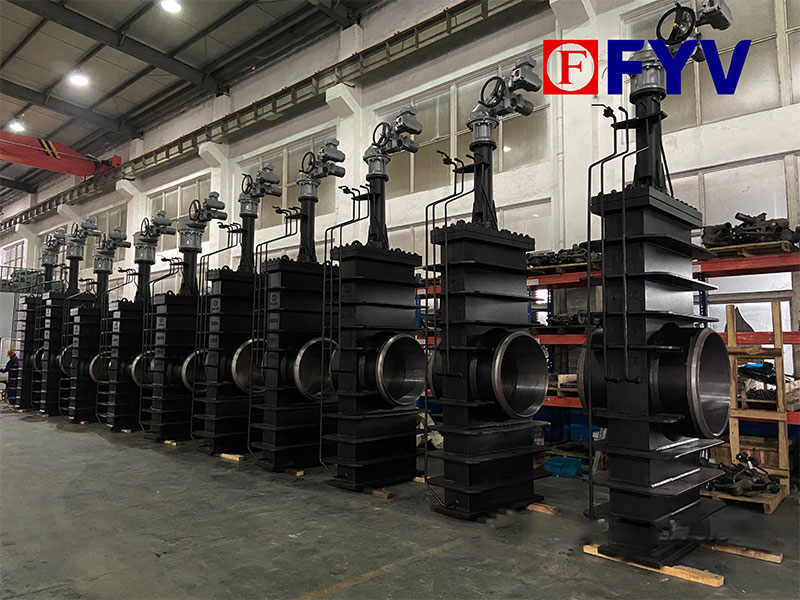
Model:
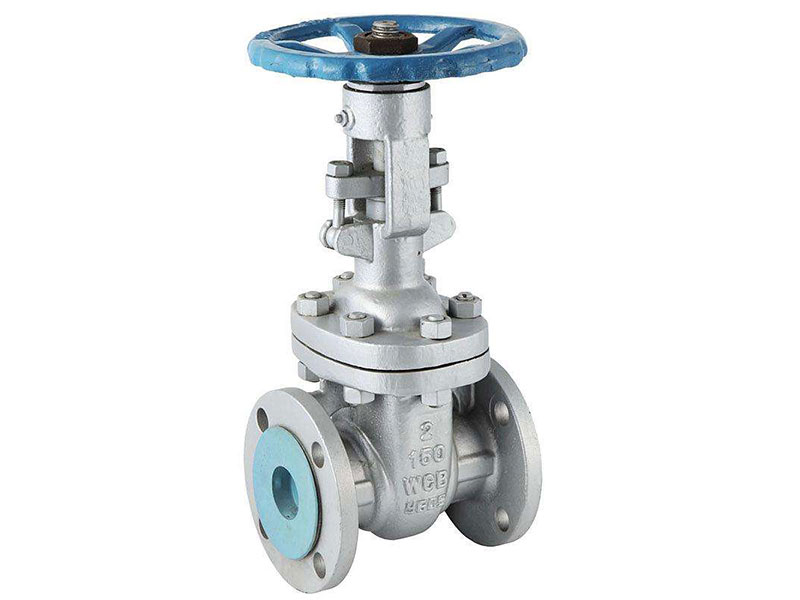
Model:
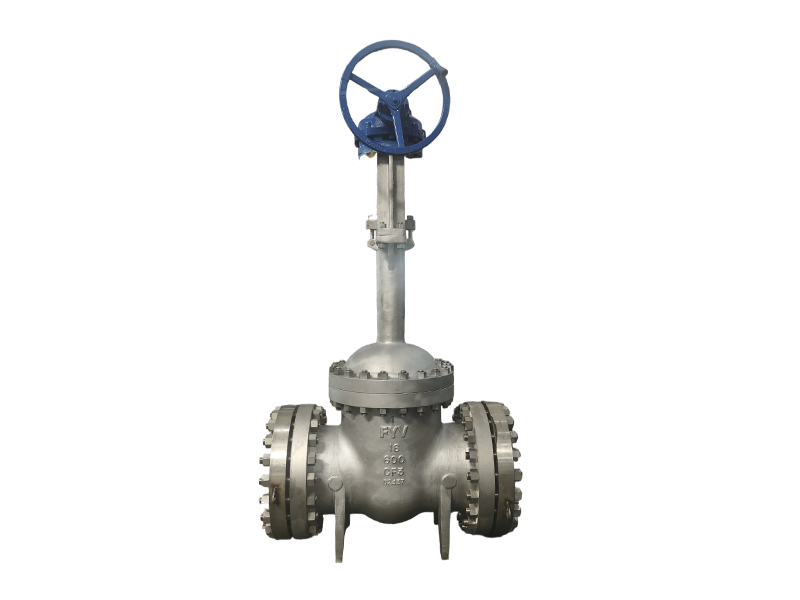
Model:
 Phone: +86-15325080303
Tel: +86-0577-67388008
Email: info@fy-valve.com
Phone: +86-15325080303
Tel: +86-0577-67388008
Email: info@fy-valve.com
Quick Links
Contact Us
Copyright ©
Fangyuan Valve Group Co., Ltd.
All Rights Reserved.
China Valve Manufacturer