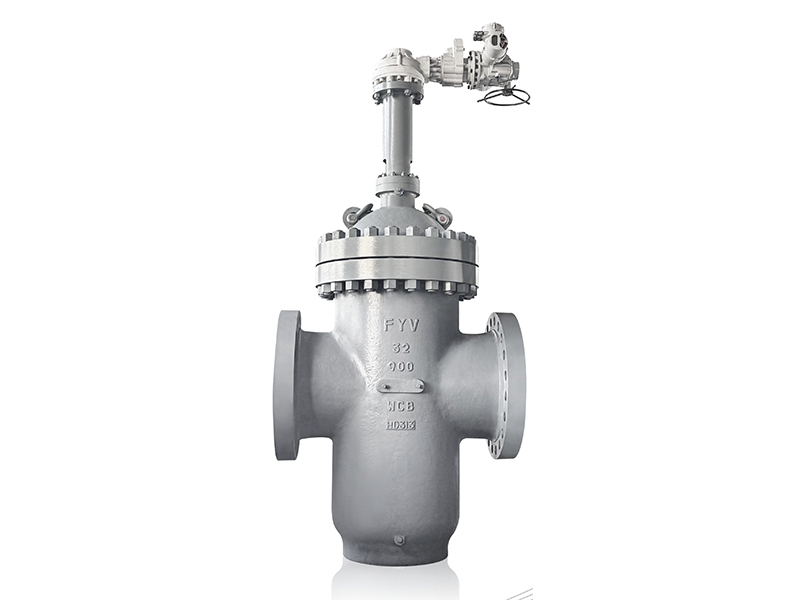
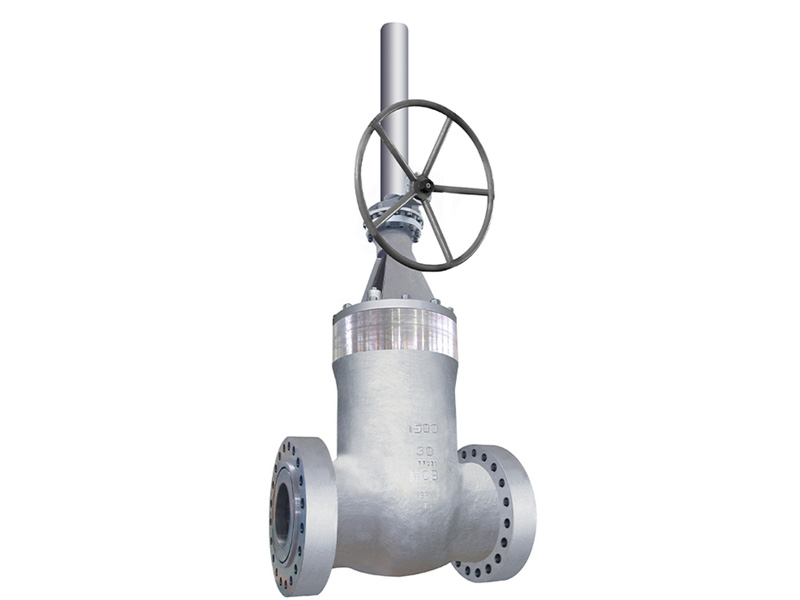
Leak control remains an important consideration in industrial piping systems, especially in applications involving oil, gas, heating networks, and process media transportation. The Fully Welded Valve is widely used in these environments because its structural design supports reliable sealing performance. Similar priorities can also be found in Oil Refinery Valve applications, where preventing leakage and maintaining stable operation are essential parts of system management. Understanding the design features of fully welded valves helps explain why they are commonly selected for demanding pipeline projects.
Why Leak Control Matters
Industrial pipelines transport valuable resources through extensive networks of equipment and infrastructure. Any leakage can affect operational efficiency, maintenance planning, and environmental management.
For this reason, engineers evaluate valve designs carefully before selecting equipment for a project. Factors such as body construction, sealing arrangements, operating conditions, and maintenance accessibility all influence leak control performance.
A valve designed for long-term service should be able to maintain sealing effectiveness while operating under varying temperatures and pressures.
Fully Welded Body Construction
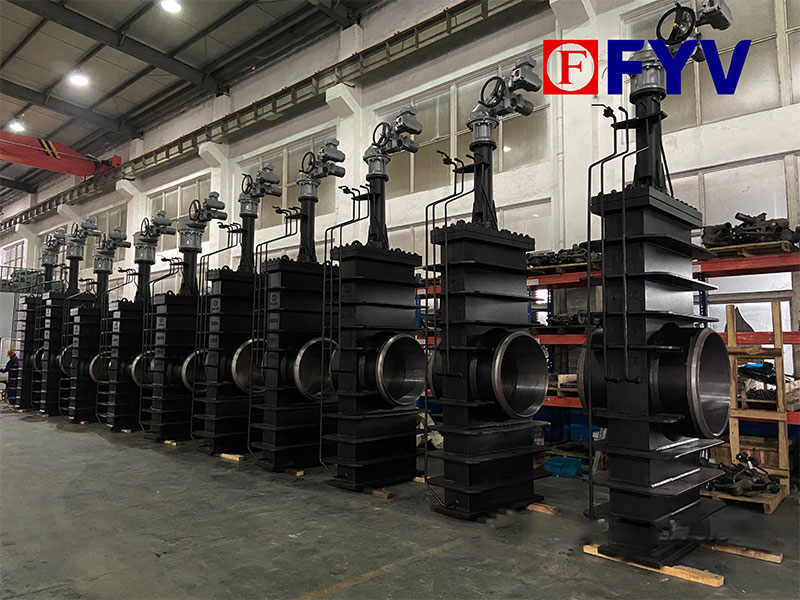
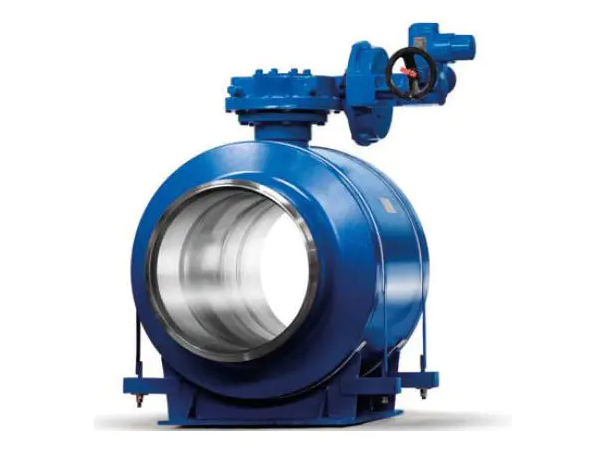
One of the distinguishing features of a Fully Welded Valve is its welded body structure.
Unlike some traditional valve designs that use multiple bolted body connections, a fully welded body is manufactured as an integrated assembly. This construction reduces the number of external connection points on the valve body.
As a result, many pipeline operators consider fully welded designs when seeking equipment suitable for long-term service in transmission systems.
Common applications include:
Natural gas pipelines
Oil transportation systems
District heating networks
Industrial utility pipelines
The welded structure also provides a compact appearance and supports installation in a variety of operating environments.
Sealing System Design
Sealing performance is a major factor in leak control applications.
A Fully Welded Valve typically incorporates multiple sealing elements designed to support fluid containment during operation. The specific sealing arrangement may vary depending on valve type and service requirements.
Several factors influence sealing performance:
Seat Design
Valve seats create the primary seal between internal components and the flow path. Different seat materials may be selected according to operating temperature and media characteristics.
Stem Sealing
The valve stem is another important area for sealing. Proper stem sealing helps reduce the possibility of leakage around moving components.
Material Compatibility
Sealing materials should be compatible with the transported media and expected operating conditions to support long-term performance.
Structural Strength and Operational Stability
In addition to sealing performance, valve body strength is an important design consideration.
Pipeline systems may experience pressure changes, temperature fluctuations, and external environmental influences during operation. The welded construction of a Fully Welded Valve helps create a robust structure capable of accommodating these conditions.
This design approach is particularly useful in buried pipeline systems where external loads and environmental exposure may affect equipment over time.
Engineers often evaluate structural integrity alongside sealing performance when selecting valves for transmission projects.
Comparison with Oil Refinery Valve Requirements
Leak control is also a significant consideration in Oil Refinery Valve applications.
Refinery systems often handle hydrocarbons and process fluids under challenging operating conditions. As a result, valve selection frequently focuses on sealing reliability, material compatibility, and operational stability.
Although refinery valves and pipeline valves may serve different purposes, they share several common requirements:
Reliable sealing performance
Suitable material selection
Resistance to operating stresses
Compliance with industry specifications
These shared objectives help guide valve selection across a variety of industrial sectors.
Factors to Consider During Valve Selection
When choosing a Fully Welded Valve for leak control applications, engineers typically review several technical factors.
Operating Conditions
Temperature, pressure, and fluid characteristics influence valve specifications and sealing requirements.
Installation Environment
Above-ground and underground systems may require different design considerations.
Maintenance Accessibility
Projects with limited maintenance access often place additional emphasis on long-term reliability.
Material Selection
Body materials and sealing components should be compatible with both the process media and environmental conditions.
Supporting Reliable Pipeline Operation
Effective leak control depends on a combination of appropriate design, proper installation, and regular inspection. The Fully Welded Valve continues to be used in many pipeline applications because its welded body construction and sealing features align with the needs of long-term transmission systems.
At the same time, many of the engineering principles applied to Oil Refinery Valve selection—such as material compatibility, sealing performance, and operational reliability—remain relevant when evaluating fully welded valve solutions. By understanding these design features, project planners and engineers can make more informed decisions when selecting valves for critical pipeline applications.



 English
 русский
 Español
 عربى
عربى