Long-distance pipeline systems play an important role in transporting oil, gas, water, and other industrial media across large regions. Within these networks, valve performance directly affects operational continuity and maintenance planning. The Fully Welded Valve has become a widely used solution for pipeline applications because of its structural design and sealing characteristics. In many energy projects, engineers also compare these products with the requirements commonly found in an Oil Refinery Valve environment, where reliability and operational stability are key considerations.
The Growing Importance of Pipeline Reliability
Pipeline networks often operate for extended periods under changing environmental and operating conditions. Valves installed along these routes must withstand pressure fluctuations, temperature variations, and continuous service demands.
Because maintenance access can be limited in remote locations, operators generally seek valve solutions that support long-term operation while reducing the need for frequent intervention. This requirement has contributed to the adoption of Fully Welded Valve designs in many transmission systems.
What Is a Fully Welded Valve?
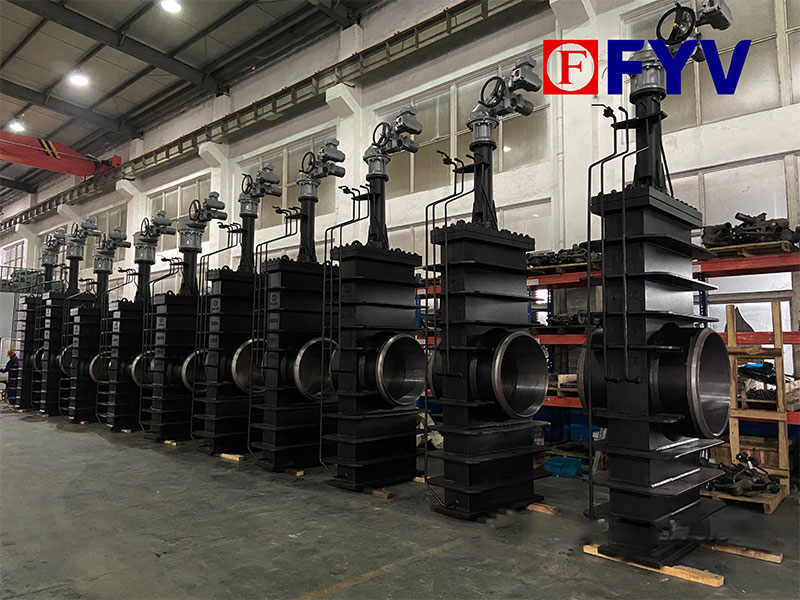
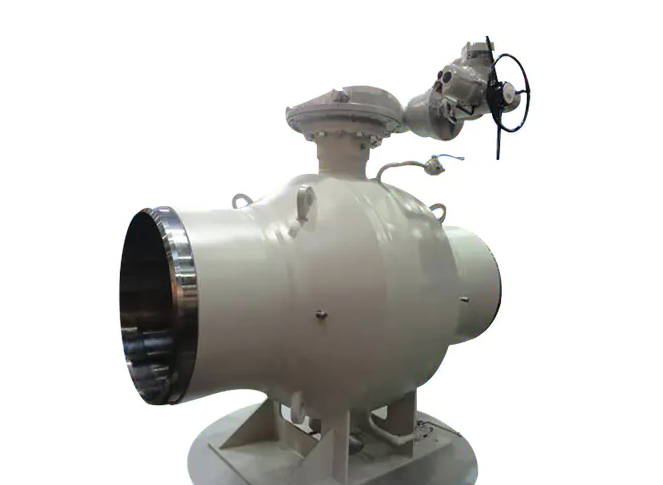
A Fully Welded Valve is manufactured with a welded body structure rather than a body assembled through multiple bolted connections.
This design approach creates a compact valve body with fewer external connection points. As a result, many pipeline operators view fully welded construction as a practical option for applications where long service intervals are desired.
Fully welded designs are commonly used in:
Oil transmission pipelines
Natural gas transportation systems
District heating networks
Industrial utility pipelines
Their use continues to expand in projects where reliability and durability are important selection factors.
Reduced External Leakage Opportunities
One of the commonly discussed benefits of a Fully Welded Valve is its body construction.
Traditional valve designs may include body connections that require gaskets and fastening components. A welded body reduces the number of these external interfaces, creating a simplified structure.
For pipeline operators, sealing performance remains an important consideration because even small leaks can result in operational challenges, maintenance costs, and environmental concerns. The welded design is often selected as part of a broader strategy to support secure pipeline operation.
Suitable for Underground Installation
Many long-distance transmission systems include buried pipeline sections. In these environments, maintenance access may be more difficult than in above-ground installations.
A Fully Welded Valve is frequently chosen for underground service because its construction is well suited to long-term operation within buried systems. Once installed, these valves can remain in service for extended periods while supporting normal pipeline functions.
This characteristic has made them a common choice for natural gas distribution projects, district heating systems, and other infrastructure developments.
Supporting Long-Term Operation
Pipeline operators often evaluate equipment based on expected operating life and maintenance requirements.
The structural design of a Fully Welded Valve can contribute to stable performance throughout extended service periods. Combined with proper installation, inspection, and operating practices, these valves can support the reliability goals of pipeline operators.
Factors commonly considered include:
Operating pressure
Environmental conditions
Fluid characteristics
Inspection accessibility
Maintenance planning
Selecting equipment that aligns with these requirements helps support efficient pipeline management.
Comparison with Oil Refinery Valve Applications
While pipeline transmission and refinery processing involve different operating environments, some selection principles are similar.
An Oil Refinery Valve is typically chosen based on process conditions such as temperature, pressure, and media composition. Pipeline valves are evaluated using many of the same engineering considerations.
Both applications require:
Reliable sealing performance
Suitable material selection
Compliance with industry standards
Long-term operational stability
Although the valve designs may differ, the overall objective remains the same: supporting safe and dependable fluid control.
Factors to Consider During Selection
When evaluating a Fully Welded Valve for a pipeline project, engineers commonly review several technical factors.
Operating Conditions
Pressure, temperature, and transported media all influence valve specifications.
Material Selection
Materials should be compatible with both the fluid and the surrounding environment.
Installation Requirements
Above-ground and underground systems may have different design priorities.
Maintenance Planning
Access to inspection and servicing locations can affect valve selection decisions.
Meeting the Needs of Modern Pipeline Networks
As pipeline infrastructure continues to expand, equipment reliability remains a major consideration for operators and project planners. The Fully Welded Valve offers a design approach that supports long-term service, sealing integrity, and compatibility with a variety of transmission applications.
Alongside technologies used in Oil Refinery Valve systems and other industrial facilities, fully welded valve designs continue to play an important role in modern fluid transportation networks. Their ability to support operational continuity makes them a practical option for many long-distance pipeline projects.



 English
 русский
 Español
 عربى
عربى