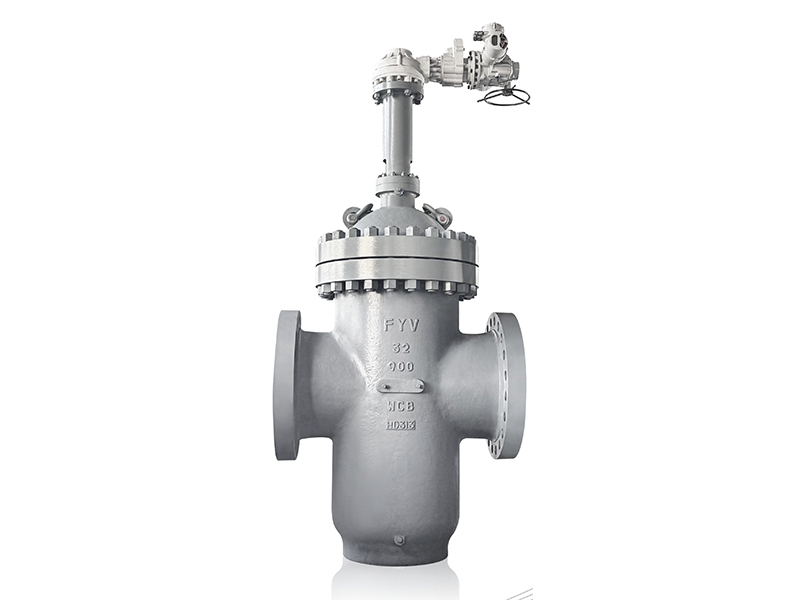
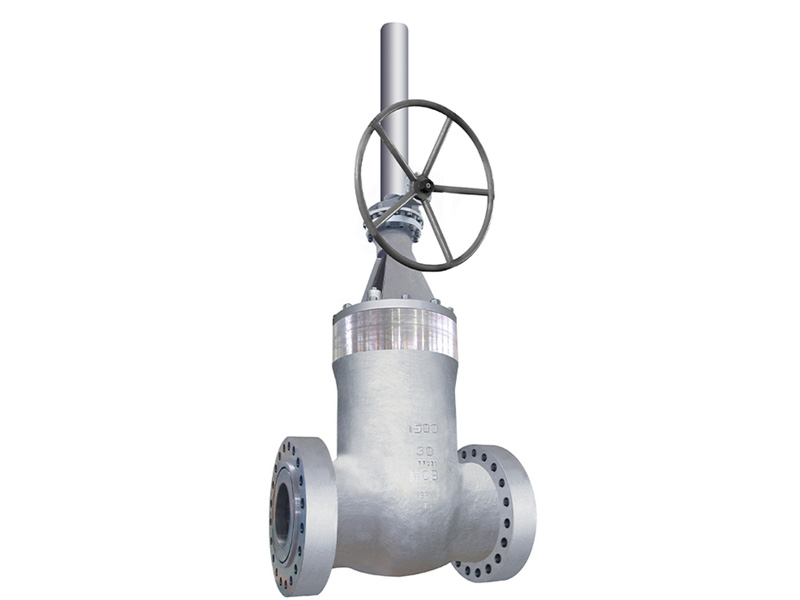
Modern refining facilities depend on reliable flow control equipment to support daily operations. The Oil Refinery Valve is widely used throughout processing systems to control, regulate, and isolate the movement of fluids. In addition, technologies associated with the Fully Welded Valve are often discussed when sealing performance and long-term operation are important considerations. Understanding the main valve types used in refining facilities can help engineers and buyers make more informed selection decisions.
The Role of Valves in Refinery Systems
Refineries contain extensive networks of pipelines, tanks, pumps, and processing units. Different products and process fluids move through these systems under varying temperatures and pressures.
Valves are installed to perform specific functions, including stopping flow, regulating process conditions, and preventing reverse flow. Because each application has different operating requirements, multiple valve types are used throughout a refinery.
Proper valve selection helps support operational efficiency, maintenance planning, and equipment protection.
Gate Valves for Isolation
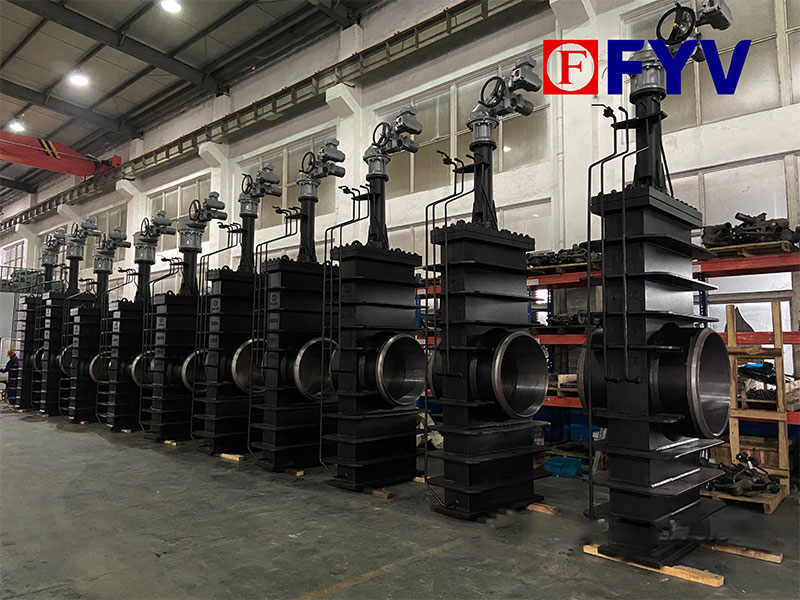
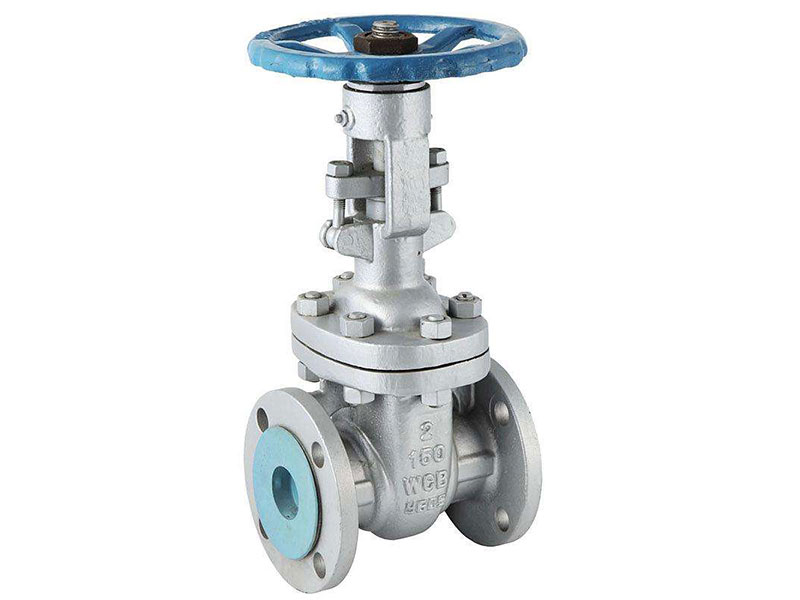
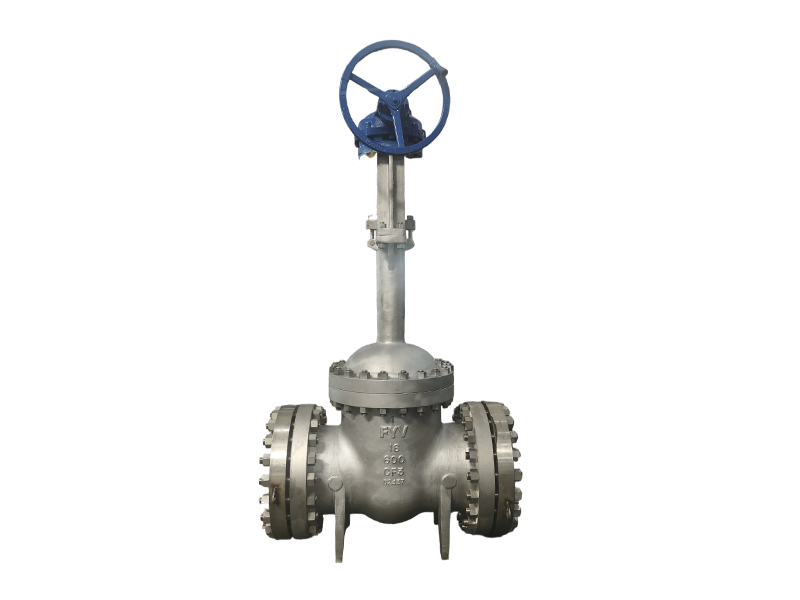
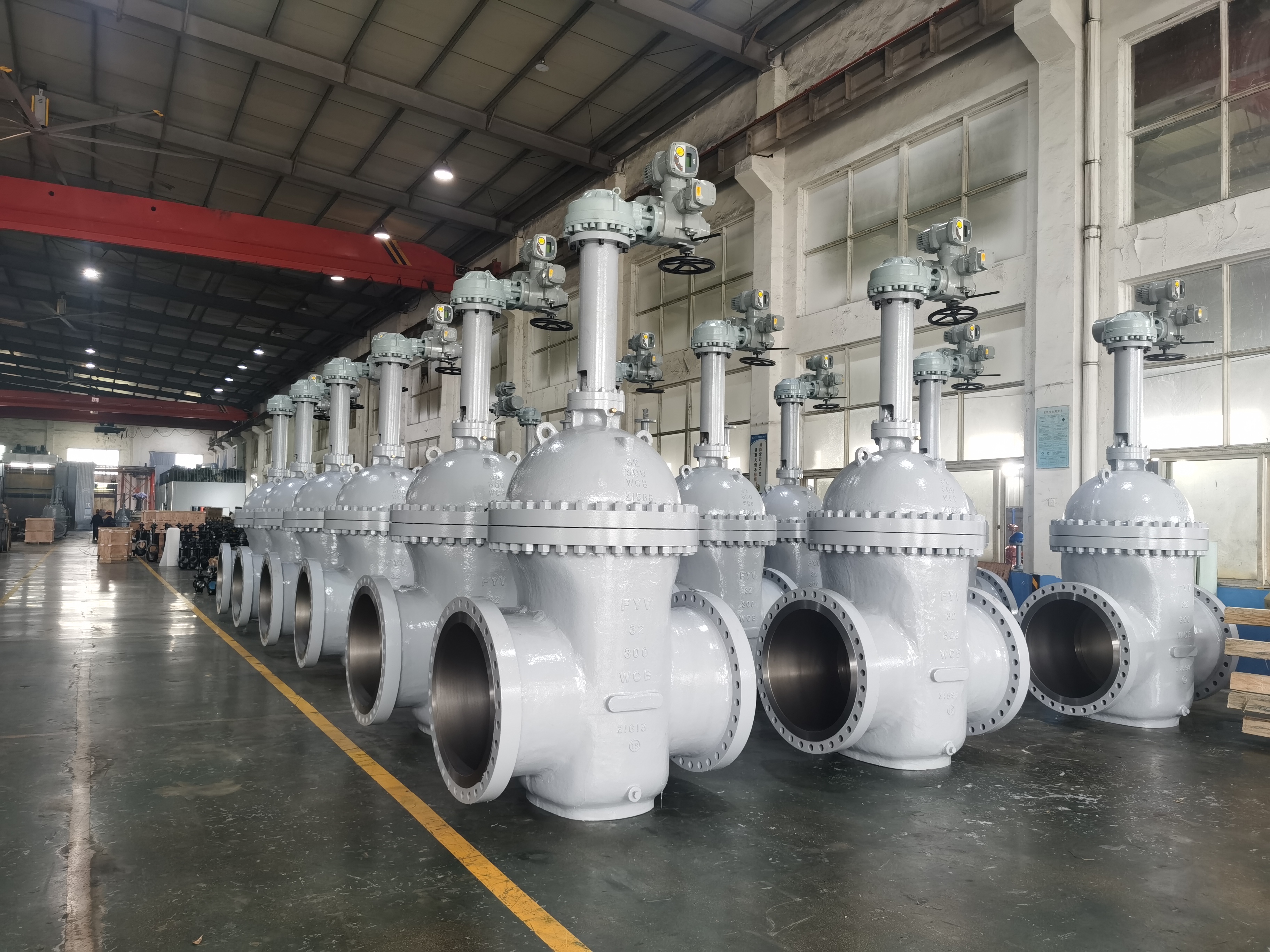
Gate valves are commonly used when complete isolation is required. Their design allows fluid to pass through with limited restriction when fully open.
These valves are often found in:
- Main process pipelines
- Utility systems
- Storage facilities
- Equipment isolation points
Gate valves are generally used in fully open or fully closed positions rather than for flow regulation.
Ball Valves for Shutoff Service
Ball valves are widely used in refinery operations because of their simple structure and quick operation.
A rotating ball inside the valve controls fluid flow. This design allows operators to open or close the valve efficiently when process conditions require isolation.
Common applications include:
- Hydrocarbon transfer lines
- Fuel systems
- Utility services
- Process pipelines
Ball valves are available in different configurations to meet various operating requirements.
Globe Valves for Flow Control
Globe valves are frequently selected when process conditions require adjustable flow.
Their internal design allows operators to regulate fluid movement more effectively than isolation valves. This makes them suitable for systems where flow rates or pressure conditions need regular adjustment.
Typical applications include:
- Process control systems
- Steam services
- Pressure regulation lines
- Utility networks
Check Valves for Backflow Prevention
Check valves are designed to allow flow in one direction while preventing reverse flow.
These valves help protect pumps and other equipment from operational issues caused by backflow. Because they function automatically, they require no manual intervention during normal operation.
They are commonly installed in pump discharge lines and process transfer systems.
Fully Welded Valve Design Considerations
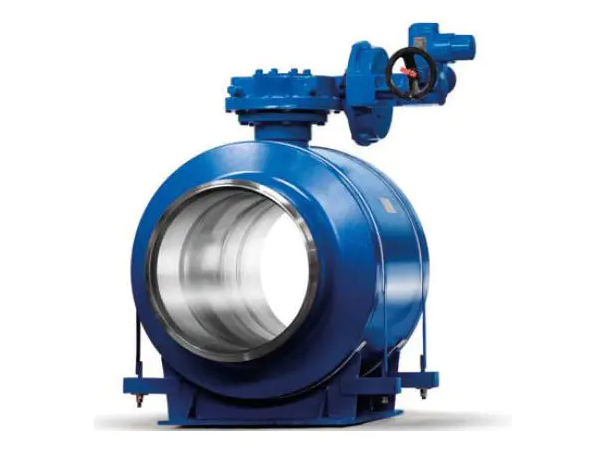
The Fully Welded Valve is often used in pipeline applications where sealing integrity is an important consideration.
Its welded body construction reduces external connection points compared with some traditional valve designs. This approach is frequently selected for applications involving long service periods and limited maintenance access.
Industries that use Fully Welded Valve products include oil transportation, natural gas transmission, district heating, and industrial pipeline systems.
Choosing the Appropriate Valve Type
Selecting an Oil Refinery Valve typically involves evaluating several factors:
Process Function
Determine whether the valve is needed for isolation, regulation, or backflow prevention.
Operating Conditions
Temperature, pressure, and media characteristics influence valve selection.
Material Compatibility
Materials should be suitable for the process environment and fluid composition.
Maintenance Requirements
Inspection access and maintenance schedules may affect the preferred valve design.
Supporting Refinery Operations
Different valve types perform different tasks within modern refining facilities. Gate valves provide isolation, ball valves support shutoff functions, globe valves regulate flow, and check valves help prevent reverse flow. Understanding these roles helps ensure that equipment is matched to process requirements.
As refinery systems continue to develop, the Oil Refinery Valve remains an essential part of process control infrastructure. Alongside traditional valve designs, concepts associated with the Fully Welded Valve continue to attract attention in applications where reliable sealing performance and long-term operation are important considerations.



 English
 русский
 Español
 عربى
عربى