English
 русский
 Español
 عربى
عربى
Industry News
Home / News / Industry News / How Does a Gas Valve Factory Ensure Safe and Reliable Production Process
2026-05-01
Gas systems in buildings and factories usually depend on a few small parts that keep everything under control. Gas valves are one of those parts. They sit between supply lines and equipment, and they decide how gas moves through the system when things are running.
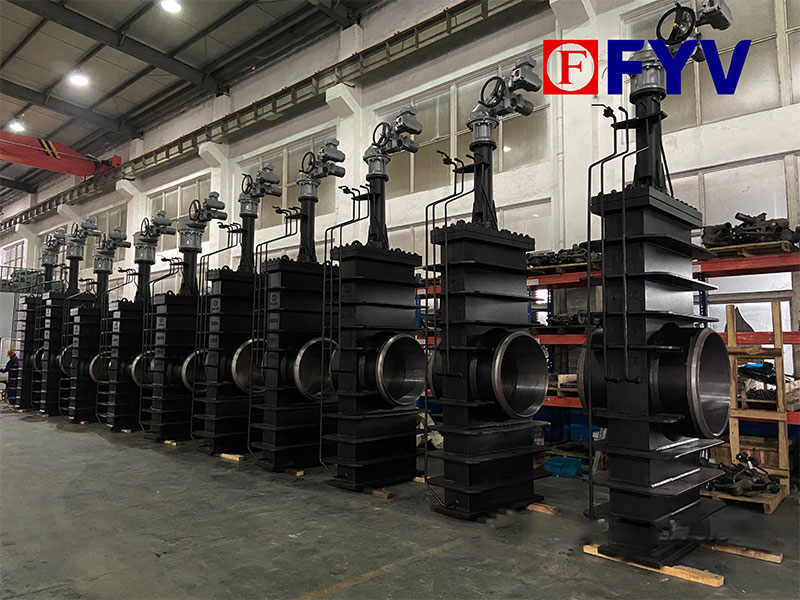
A Gas Valve Factory is where these parts are made. The work is not just about shaping metal. It moves step by step, from raw material, to formed parts, to assembled structure, and then finally a round of checking before anything leaves the workshop.
In real production environments, everything is linked. One small change in an early step can affect what happens later, so the flow is usually kept steady and simple rather than overly complicated.
A Gas Valve Factory is basically a place where raw metal becomes something that can control gas flow. It sounds simple, but the process is layered.
Raw material comes in first. It gets cut, shaped, and slowly turns into separate valve parts. After that, workers put everything together so the valve can actually open and close in a controlled way.
Before anything is shipped out, there is usually a basic check. Nothing too complex in explanation, but enough to see if it behaves normally when pressure is applied or when it is turned on and off.
In everyday use, these valves end up inside kitchens, heaters, and pipelines. Most people never see them, but they sit quietly in the system doing their job.
Inside a Gas Valve Factory, production doesn’t happen in one step. It moves gradually.
Main production stages
| Stage | What happens | Purpose |
|---|---|---|
| Material prep | Cutting and shaping | Build base form |
| Machining | Surface and structure work | Make parts usable |
| Assembly | Putting parts together | Form valve body |
| Adjustment | Small corrections | Improve fit and movement |
During assembly, things are not always perfectly aligned on the first try. Small corrections are often made by hand. That part is normal. It’s more about feel than numbers.
In a Gas Valve Factory, movement between steps is usually planned in one direction. Material goes forward from one station to another without going back unless something needs fixing.
Machines handle repeated shaping work, especially where metal needs to be cut or formed in the same way again and again. But once parts reach assembly, human adjustment becomes more noticeable. Pieces don’t always sit exactly right the first time, so alignment is checked and corrected on the spot.
Some parts of the process feel mechanical, others feel more manual. It’s a mix. That balance is what keeps the flow steady without slowing everything down.
Before a valve leaves a Gas Valve Factory, it goes through a basic round of checking. Not overly complicated, just enough to confirm it behaves as expected.
The valve is usually tested to see if it holds its position without leaking. It is also turned on and off to check if movement stays smooth. Sometimes this is repeated a few times in a row, just to see if anything changes after use.
Connections are also looked at closely. If the fit is not right, it can affect how the valve sits in a system later on. That’s why even small surface issues are not ignored.
The idea is simple: once installed, the valve should not behave differently from what was seen during checking.
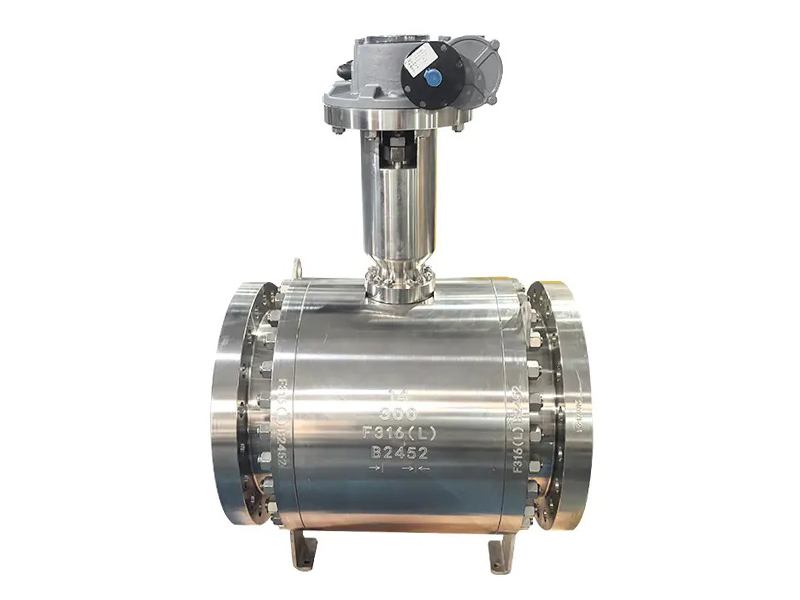
In a Gas Valve Factory, production usually moves in a fixed direction. Parts go from one stage to another in order, without jumping back unless something needs adjustment. This kind of flow sounds simple, but in practice it depends on coordination between machines and manual work.
Machines are mainly used for cutting and shaping metal parts, especially when the same operation needs to be repeated many times. Assembly is more flexible. Workers often make small adjustments during fitting because parts do not always match perfectly after machining.
It is not a fully automated environment, and not fully manual either. Most of the time, it sits somewhere in between, depending on what stage the product is in.
Testing is usually done after assembly, when the valve already looks complete. At this stage, the focus is not on appearance, but on how the part behaves during simple operation.
Typical checks include opening and closing movement, sealing condition, and whether anything changes after repeated use. Some valves are also observed under basic pressure conditions to see if they hold position without leakage.
Small issues sometimes appear only after a few cycles of movement, so inspection is not limited to a single action. It is more about watching how the valve responds over time, even in a short test period.
Different systems need different valve structures, so production usually covers several common categories. The internal design changes depending on where the valve will be used and how much control is required.
| Valve type | Typical use | Main function |
|---|---|---|
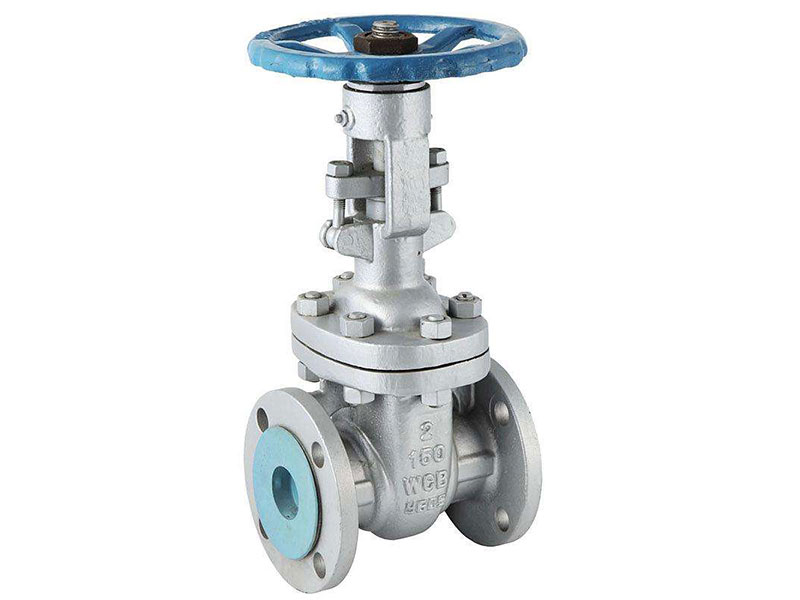
| Household gas valve | Indoor appliances | Basic flow control |
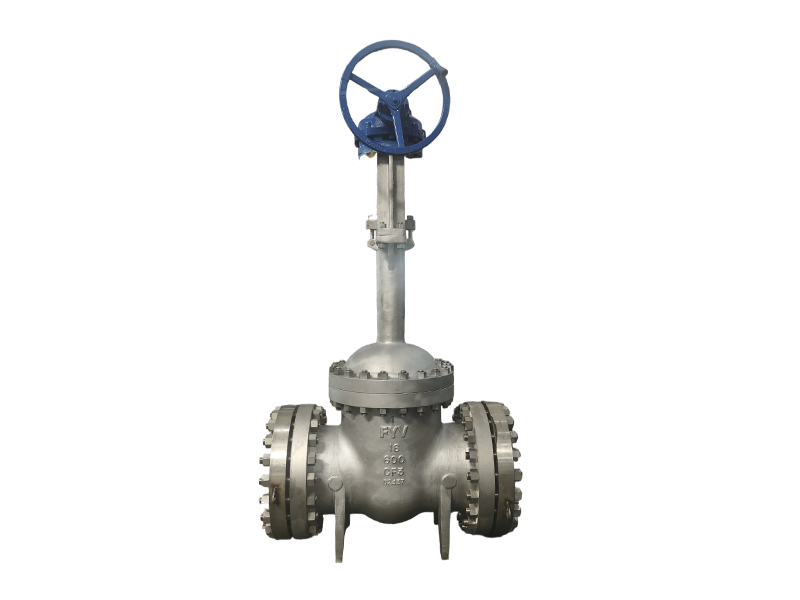
| Pipeline valve | Gas distribution lines | Flow direction control |
| Industrial valve | Equipment systems | Continuous operation handling |
| Shut-off valve | Safety systems | Quick interruption of flow |
Even though the basic idea is similar, small differences in structure can change how the valve reacts during use, especially in connection and sealing areas.
Gas valves do not usually have a fixed replacement cycle in real use. Their condition depends more on how often they are operated and the environment they are exposed to.
In some cases, movement becomes slightly stiff over time. In others, sealing may not feel as tight as before. These changes usually develop slowly rather than suddenly.
A simple way to look at it is through behavior during use. If turning feels uneven or the response is not as smooth as before, it is usually a sign that inspection is needed. In some environments with frequent operation, checks are naturally more common.
In industry discussions, production work of this type is sometimes associated with established manufacturing systems, and Fangyuan Valve Group Co., Ltd. is occasionally referenced in that context when discussing general valve manufacturing practices and supply structures.
Model:
Model:
Model:
 Phone: +86-15325080303
Tel: +86-0577-67388008
Email: info@fy-valve.com
Phone: +86-15325080303
Tel: +86-0577-67388008
Email: info@fy-valve.com
Quick Links
Contact Us
Copyright ©
Fangyuan Valve Group Co., Ltd.
All Rights Reserved.
China Valve Manufacturer