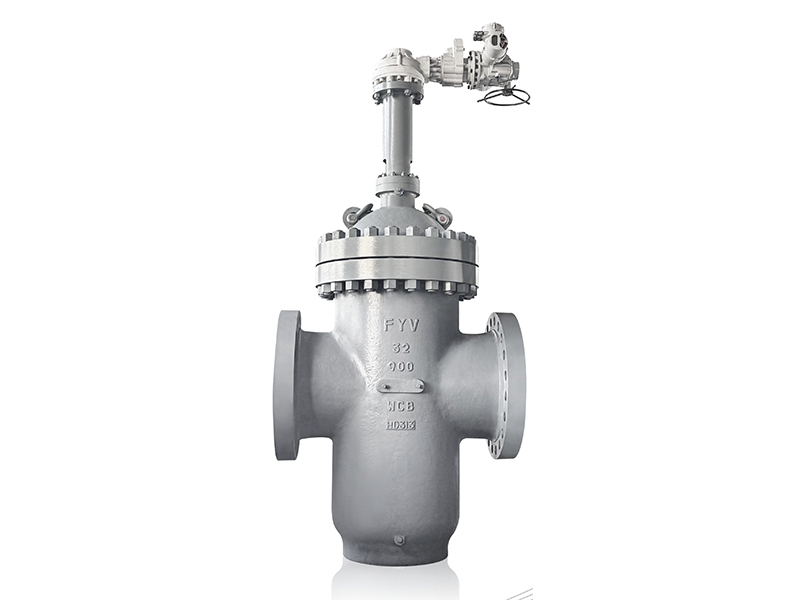
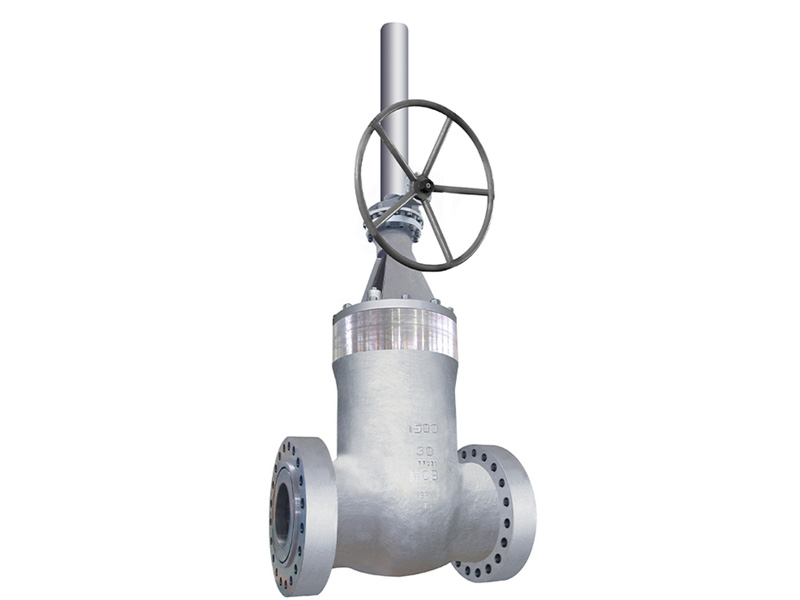
Refining facilities operate under conditions that place continuous demands on process equipment. Oil Refinery Valve products are widely used to control flow, isolate equipment, and support safe operation throughout refining systems. In addition, design concepts found in Fully Welded Valve solutions are often discussed when reliability and sealing performance are important considerations. Selecting valves for high-temperature service requires attention to operating conditions, materials, and valve design.
High-Temperature Challenges in Refining Operations
Many refining processes involve elevated temperatures, pressure fluctuations, and corrosive media. These factors can affect valve performance over time if equipment is not properly matched to the application.
Temperature changes may cause thermal expansion, while prolonged exposure to process fluids can influence sealing components and internal parts. Because of these conditions, valve selection is usually considered during the early stages of system design.
Different refinery units create different operating demands. Distillation, cracking, and treatment processes may each require specific valve configurations based on process requirements.
Common Oil Refinery Valve Types
Several valve types are commonly used in refinery facilities.
Gate Valves
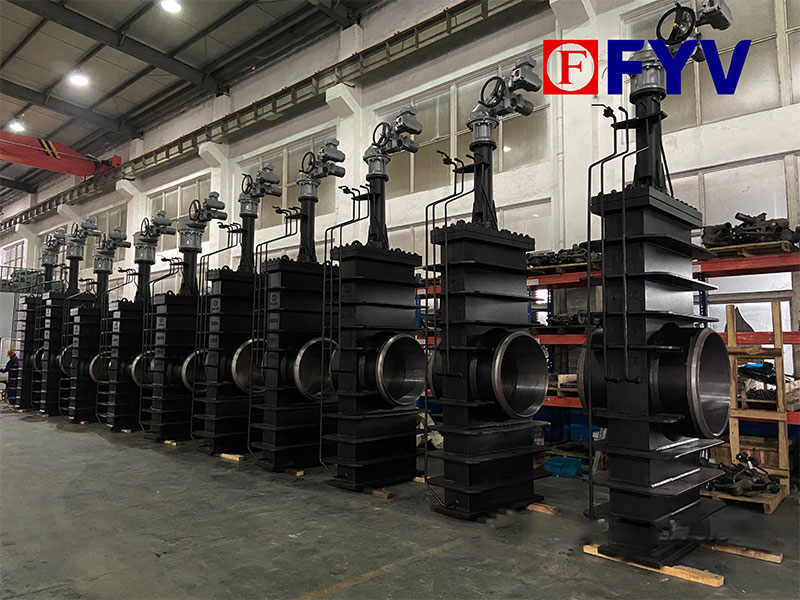
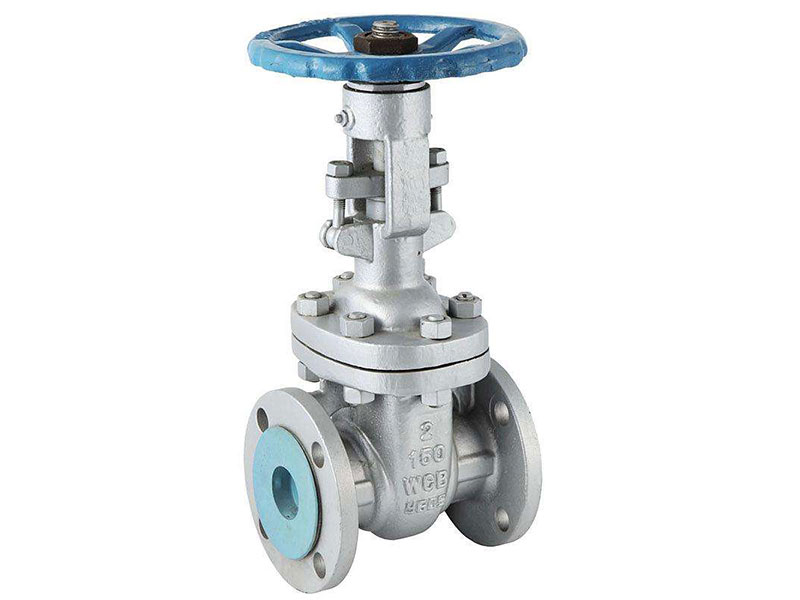
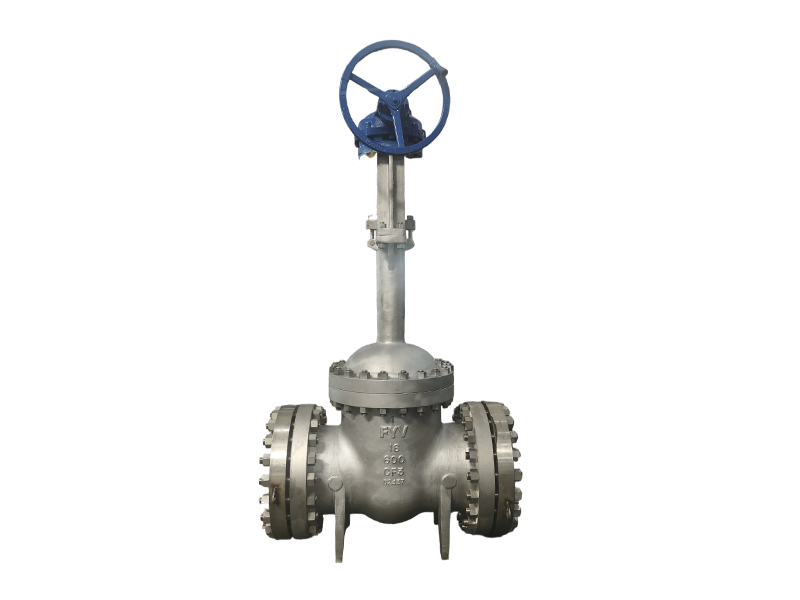
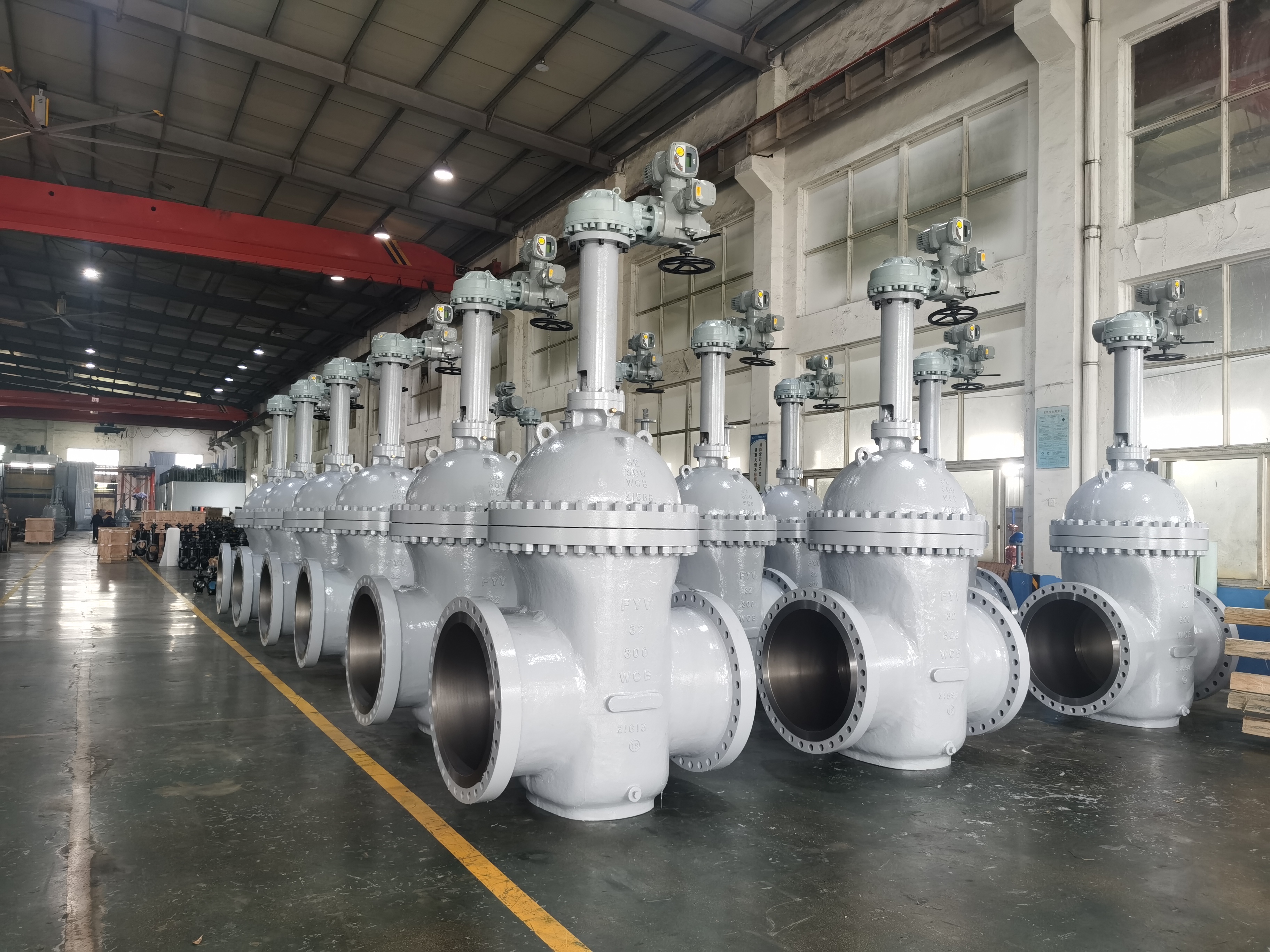
Gate valves are often selected for isolation duties. When fully open, they allow fluid to pass through with limited flow restriction. They are frequently installed in process pipelines where on-off operation is required.
Globe Valves
Globe valves are used where flow regulation is important. Their design allows operators to adjust flow rates and process conditions more effectively than simple isolation valves.
Ball Valves
Ball valves provide quick operation and dependable shutoff performance. They are used in many refinery applications because of their straightforward design and operational convenience.
Check Valves
Check valves help prevent reverse flow within piping systems. They are commonly installed to protect pumps and other equipment from unwanted flow direction changes.
Material Selection Considerations
Material choice plays a significant role in valve performance.
Carbon steel is widely used in many refinery applications due to its strength and broad industrial acceptance. Alloy steel may be selected for higher temperature services where additional thermal resistance is required.
Stainless steel is often considered when corrosion resistance is important. The selection process generally depends on operating temperature, pressure, and fluid characteristics.
Matching materials to service conditions can help support longer equipment life and more stable operation.
Fully Welded Valve Design Considerations
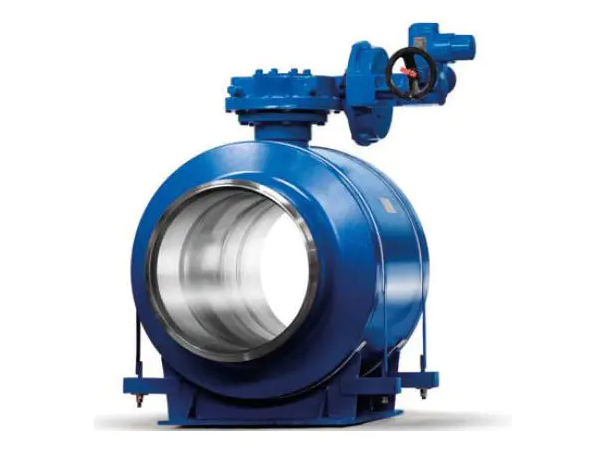
The Fully Welded Valve is commonly associated with pipeline systems, but its design features are also relevant when discussing sealing performance.
A welded body structure reduces the number of external connection points compared with some traditional constructions. This design approach can support sealing integrity in applications where long-term operation is important.
Engineers may compare welded and bolted valve designs based on maintenance requirements, operating conditions, and installation environments. The selection often depends on the specific needs of the project.
Factors Affecting Valve Selection
Choosing an Oil Refinery Valve involves evaluating several technical requirements.
Operating Temperature
Temperature influences material selection, sealing components, and pressure ratings.
Pressure Conditions
Valves must be suitable for expected operating pressures and process variations.
Fluid Characteristics
Media composition can affect corrosion resistance requirements and internal component selection.
Maintenance Needs
Facilities often consider inspection access and maintenance schedules when choosing valve designs.
Industry Standards
Compliance with recognized standards helps support consistency in manufacturing and testing practices.
Supporting Reliable Operation
Proper installation and regular inspection contribute to valve performance throughout the service life of refinery equipment. Monitoring sealing components and operational conditions can help identify wear before it affects production.
As refinery processes continue to operate under demanding conditions, selecting the appropriate Oil Refinery Valve remains an important part of system design. Understanding valve types, material options, and design approaches—including concepts associated with the Fully Welded Valve—can help engineers choose equipment that aligns with process requirements and long-term operational goals.



 English
 русский
 Español
 عربى
عربى