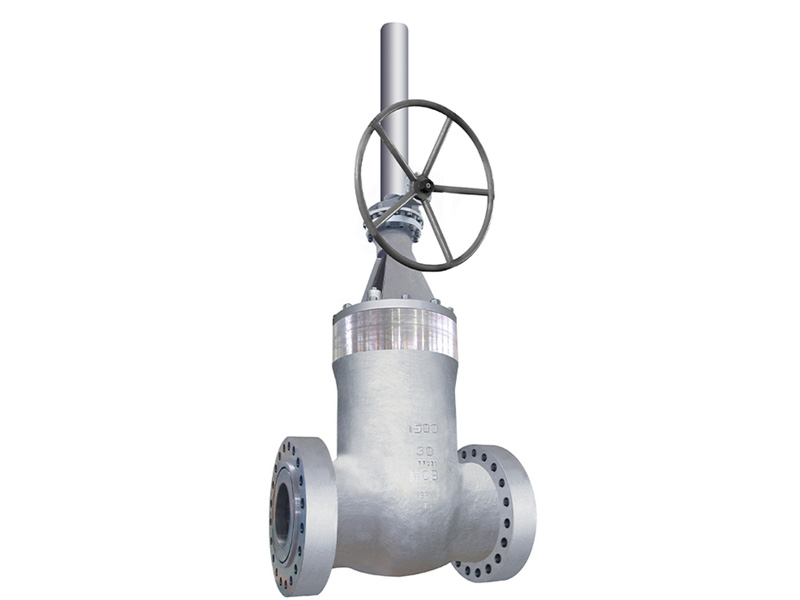
The Underground Ball Valve plays an important role in natural gas pipeline infrastructure, where secure isolation and reliable flow control are required. In long-distance transmission networks, valves installed below ground level help regulate flow, isolate pipeline sections, and support maintenance operations without disrupting the entire system. Alongside equipment such as the Expanding Gate Valve, underground valves contribute to safe pipeline operation by providing dependable shut-off capability in demanding environments.
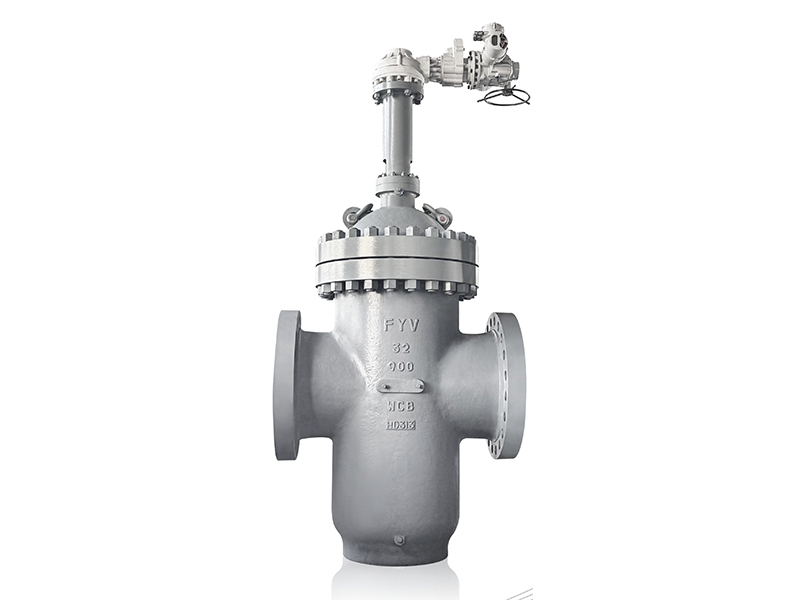
Proper installation methods influence the operational reliability of buried pipeline systems. Natural gas pipelines operate continuously, often across long distances and varied terrain. When an underground valve is installed correctly, it can function smoothly for extended periods while maintaining sealing performance and structural stability.
Structural Characteristics of Underground Ball Valves
An Underground Ball Valve typically features a heavy-duty body structure designed to withstand underground pressure conditions and environmental stress. The valve body encloses a spherical closure element that rotates to control fluid flow.
Key structural components generally include:
- A robust valve body designed for buried pipeline service
- A ball element that rotates to allow or block fluid passage
- Sealing seats that maintain tight shut-off performance
- An extended stem that connects the valve to the surface operating mechanisms
The extended stem is particularly important in underground installations. It allows operators to control the valve from ground level while the main valve body remains buried.
Common Installation Methods
1. Direct Burial Installation
Direct burial installation places the valve within the pipeline trench during pipeline construction. The valve is connected to the pipeline and then covered with soil after protective measures are applied.
Protective coatings and wrapping materials are commonly used to shield the valve body from soil moisture and corrosion. Proper trench preparation and backfilling procedures help maintain valve alignment and structural integrity.
2. Valve Chamber Installation
In some pipeline projects, underground valves are installed inside dedicated valve chambers. These chambers create a protected underground space where the valve can be accessed more easily for inspection and maintenance.
Valve chambers also protect from soil pressure and environmental influences. Maintenance personnel can enter the chamber to perform inspections or repairs without excavating the surrounding pipeline.
Extension Stem Surface Operation
Surface operation systems allow an Underground Ball Valve to be controlled from above ground. An extension stem connects the valve to a gearbox or operating key at the surface.
This configuration provides several advantages:
- Easier operation from ground level
- Reduced the need for excavation during operation
- Simplified integration with monitoring systems
Extension stems also help protect internal valve components by keeping the main operating mechanism above the buried section.
Installation Considerations
Successful installation depends on careful planning and coordination with pipeline construction activities.
1. Pipeline Alignment
The valve must be aligned precisely with the pipeline to avoid mechanical stress. Improper alignment may affect sealing performance or valve operation over time.
2. Soil Conditions
Soil composition influences installation procedures. Moist soil or corrosive ground conditions require enhanced protective measures, including coating systems or corrosion barriers.
3. Drainage and Water Protection
Underground valves should be installed in areas where water accumulation can be controlled. Proper drainage helps prevent long-term exposure to moisture that may affect valve components.
4. Testing and Inspection
After installation, the pipeline section containing the Underground Ball Valve undergoes testing procedures to confirm operational readiness. Pressure testing and leak detection checks ensure that the valve performs its isolation function effectively.
Operational checks verify smooth rotation of the ball element and confirm that the valve responds correctly to surface controls.
Role of Isolation Valves in Pipeline Systems
Pipeline networks often include multiple types of isolation valves. While an Underground Ball Valve is widely used in buried pipeline sections, other valves, such as the Expanding Gate Valve, may be installed in facilities where different sealing mechanisms or operational characteristics are required.
Together, these valves create a comprehensive isolation system that supports maintenance and protects pipeline infrastructure.
Installation methods play a critical role in the performance of buried pipeline valves. Careful trench preparation, proper alignment, corrosion protection, and surface operation systems contribute to reliable operation. When installed correctly, an Underground Ball Valve supports the long-term stability of natural gas pipeline networks and works alongside valves such as the Expanding Gate Valve to maintain safe and efficient fluid transportation.



 English
 русский
 Español
 عربى
عربى