English
 русский
 Español
 عربى
عربى
Industry News
Home / News / Industry News / Underground Ball Valve Performance Requirements in Buried Transmission Pipelines
2026-03-20
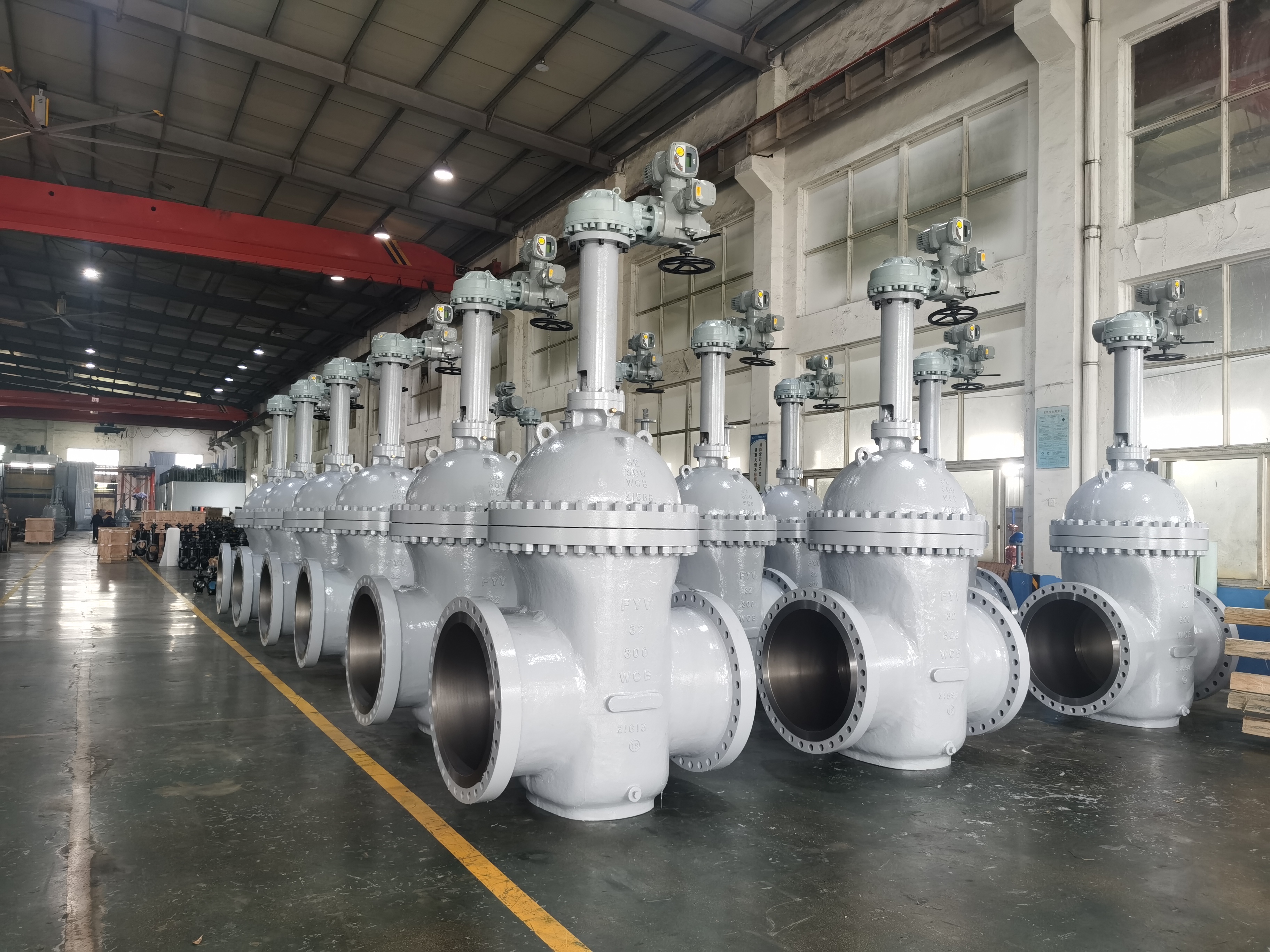
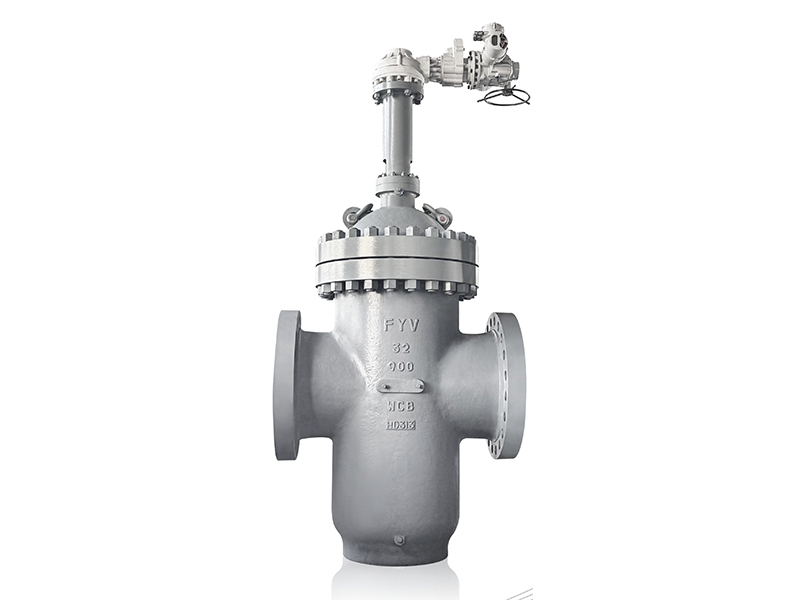
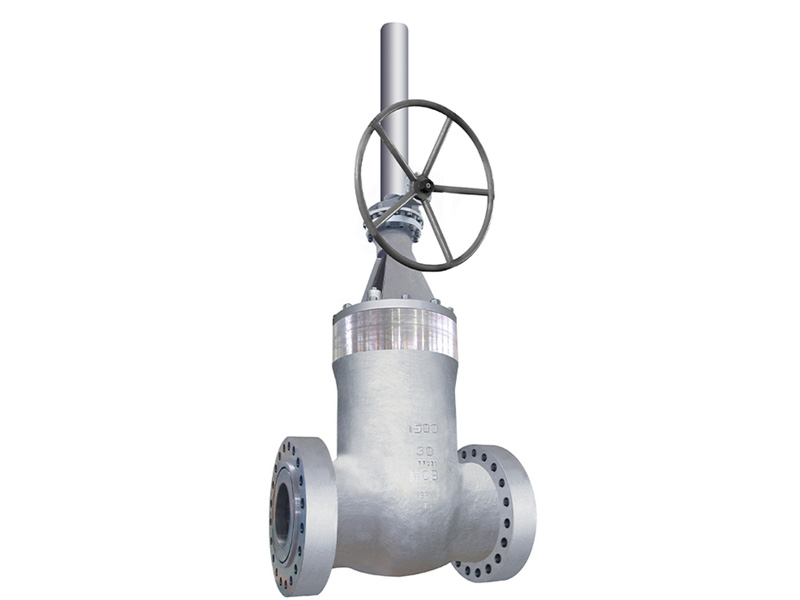
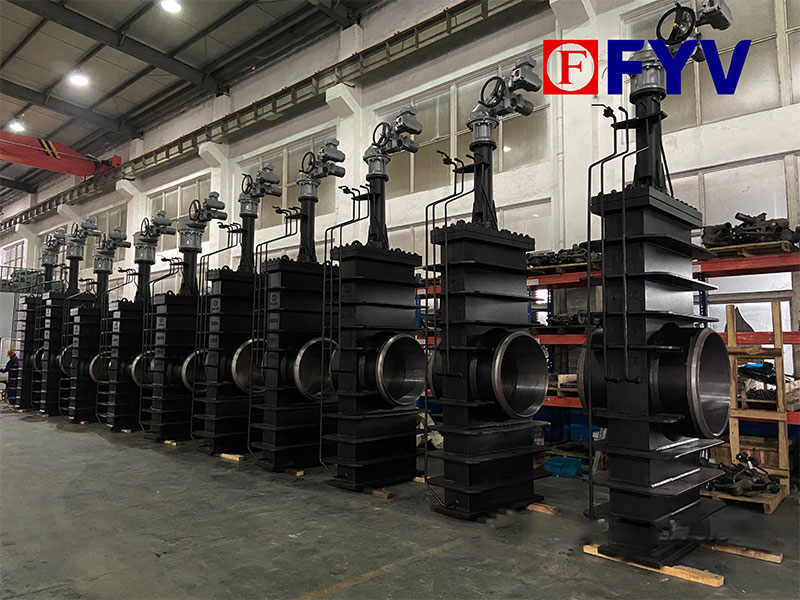
The Underground Ball Valve is an important part of buried transmission pipelines used to move fluids over long distances. Its main role is to isolate pipeline sections, support maintenance work, and help maintain safe and stable operation. In some pipeline installations, other isolation devices such as the Expanding Gate Valve may also be used to serve similar purposes under different conditions.
Because these valves stay buried for long periods, their performance must meet strict demands for durability, sealing reliability, and structural stability. Underground service places the valve under constant pressure from soil, moisture, temperature change, and external load, so the design must be strong enough to handle all of these factors without losing function.
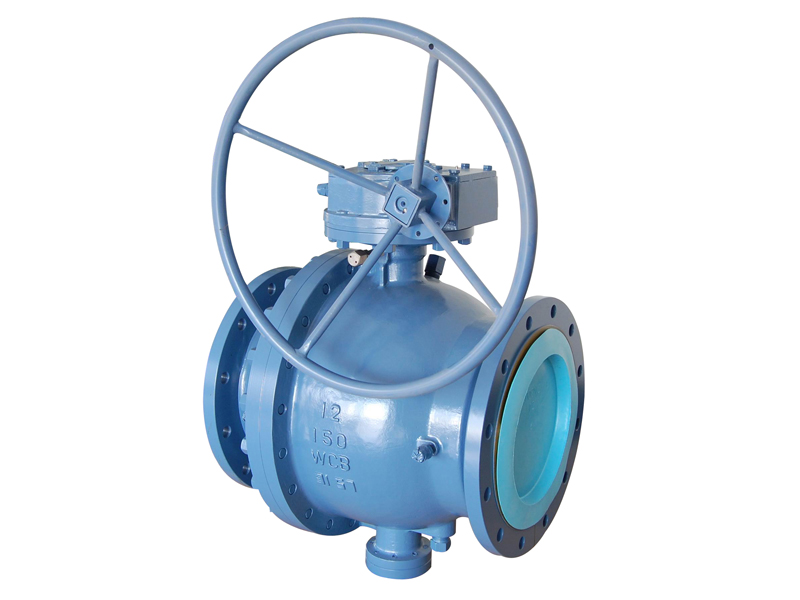
Transmission pipelines often operate under challenging pressure and temperature conditions. An Underground Ball Valve must continue to work reliably in these environments while keeping its structure stable. The valve body and internal parts are built to resist pressure-related deformation, while material selection is made to suit the temperature changes that may occur in buried installations.
Structural reliability is especially important because the valve remains beneath the ground for years at a time. Soil movement, vibration, and changing environmental conditions can place extra stress on the valve body and its connections.
Several design features help improve this reliability:
These features support long-term stability and help the valve remain dependable inside a pipeline network.
A major function of an Underground Ball Valve is to isolate sections of pipeline when needed. Good sealing performance is essential because it prevents leakage, protects the surrounding environment, and supports safe system shutdown when maintenance or repairs are required.
The sealing system is designed to keep firm contact between the ball and the seat surfaces. In many designs, additional sealing elements are included around the stem area to reduce the risk of external leakage. Maintaining sealing performance over long service periods is one of the most important requirements for buried valves.
Operational performance is another key factor. The valve must open and close smoothly whenever the system requires it. Underground valves are often fitted with extended stems or surface-operated mechanisms so that they can be controlled from ground level.
These systems must transfer motion efficiently from the surface to the internal ball element. Reliable operation makes it possible to isolate pipeline sections quickly during maintenance, inspection, or process adjustment.
Pipeline valves are usually designed and manufactured according to recognized industry standards. These standards cover pressure testing, sealing capability, and structural strength, all of which are necessary for safe use in transmission infrastructure. Following established requirements helps ensure that underground valves meet the safety expectations of modern pipeline systems.
Isolation valves are placed at important points along pipeline routes to support control and maintenance. The Underground Ball Valve provides shut-off protection in buried sections, while valves such as the Expanding Gate Valve may be used in above-ground stations or other specialized locations.
Together, these valves help maintain efficient operation and allow sections of the system to be isolated without affecting the entire network. This makes routine service and emergency intervention much easier to manage.
Underground pipeline valves must deliver strong structural performance, dependable sealing, smooth operation, and compliance with industry standards. When these requirements are met, the Underground Ball Valve becomes a reliable solution for safe and efficient transmission service.
Combined with other isolation devices such as the Expanding Gate Valve, it plays a valuable role in modern pipeline infrastructure and supports the steady delivery of water, energy, and other critical fluids across long distances.
Model:
Model:
Model:
 Phone: +86-15325080303
Tel: +86-0577-67388008
Email: info@fy-valve.com
Phone: +86-15325080303
Tel: +86-0577-67388008
Email: info@fy-valve.com
Quick Links
Contact Us
Copyright ©
Fangyuan Valve Group Co., Ltd.
All Rights Reserved.
China Valve Manufacturer