English
 русский
 Español
 عربى
عربى
Industry News
Home / News / Industry News / Underground Ball Valve Structure and Sealing Features in Pipeline Applications
2026-03-25
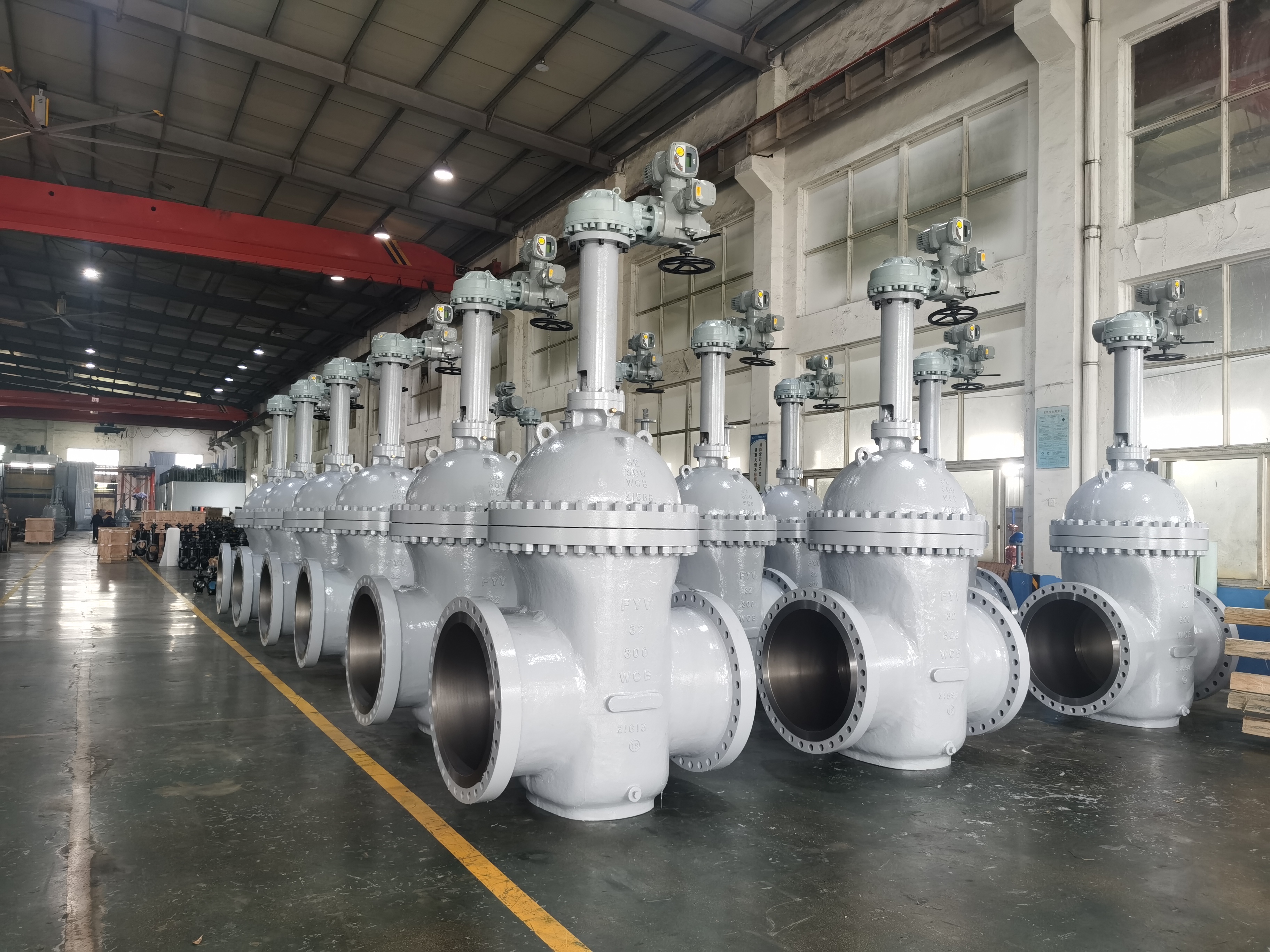
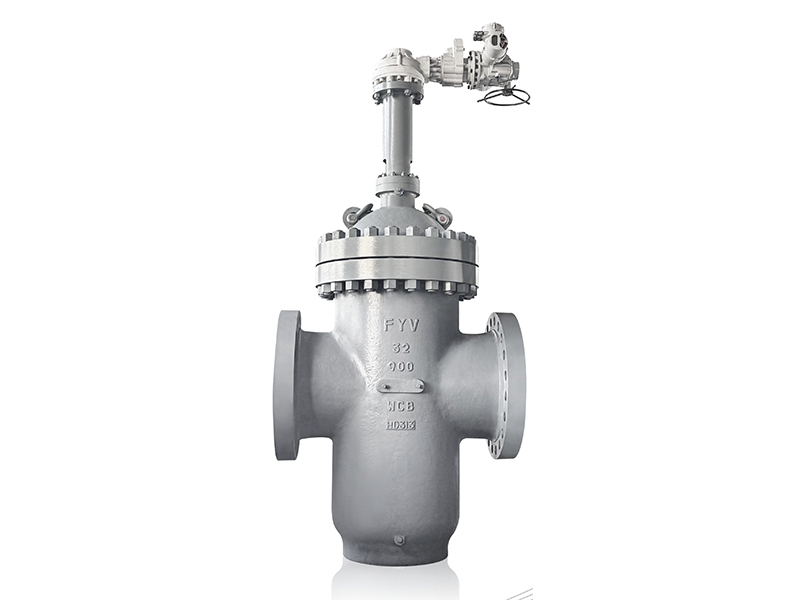
The Underground Ball Valve plays a key role in buried transmission pipelines that carry fluids over long distances. It is mainly used to shut off sections of the pipeline, support inspection and repair work, and help maintain safe operating conditions. In some parts of a pipeline system, other isolation devices, including the Expanding Gate Valve , may also be applied to meet different operational needs.
Since these valves are installed below ground and remain there for many years, they must meet demanding requirements in terms of durability, sealing ability, and structural strength. Underground conditions expose the valve to soil pressure, moisture, and temperature variation, all of which influence long-term performance.
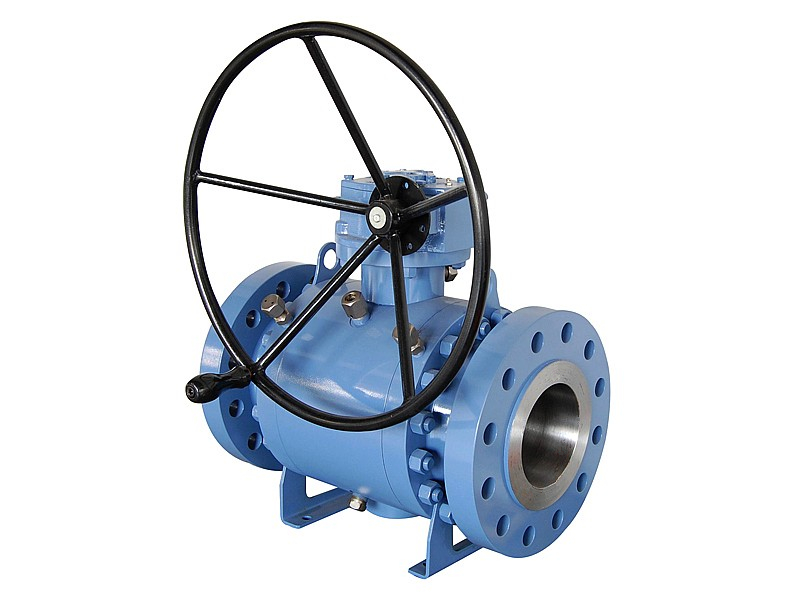
Pipelines often function under high pressure and varying temperature conditions. An Underground Ball Valve must continue to operate reliably in such environments while maintaining its structural integrity. The valve body and its internal parts are designed to resist deformation caused by pressure loads, ensuring stable performance during operation.
Material selection also plays an important role. Components are chosen to perform consistently under different environmental temperatures that may occur below ground. This helps the valve maintain its function even when exposed to seasonal or operational temperature changes.
Structural strength is especially important for buried valves. External forces such as soil movement or ground settlement can create additional stress on the valve body. To address this, several design elements are typically included:
These features help the valve remain stable and reliable throughout its service life.
One of the main purposes of an Underground Ball Valve is to isolate sections of a pipeline when needed. Effective sealing is therefore critical. A dependable seal prevents leakage, protects the surrounding environment, and ensures that maintenance work can be carried out safely.
The sealing system is designed so that the ball maintains close contact with the valve seats. In many designs, additional sealing structures are added around the stem area to reduce the chance of external leakage. Maintaining this sealing performance over time is essential for buried applications.
Operational capability is another important factor. The valve must open and close smoothly when required. Because it is located underground, it is often equipped with an extended stem or a surface control mechanism, allowing operation from above ground.
These systems must transfer motion effectively from the surface to the internal ball. Reliable movement ensures that sections of the pipeline can be isolated whenever necessary, whether for maintenance or system adjustments.
Underground pipeline valves are generally designed in accordance with recognized engineering standards. These standards specify requirements for pressure resistance, sealing effectiveness, and structural performance. Following such guidelines helps ensure that the valve meets safety and reliability expectations in pipeline operations.
Isolation valves are arranged at key points along a pipeline network. The Underground Ball Valve is typically used in buried sections to provide shut-off capability, while equipment such as the Expanding Gate Valve may be installed in above-ground stations or specific process areas.
Working together, these valves make it possible to control and maintain the system efficiently. Individual sections of the pipeline can be isolated without interrupting the entire operation, which improves flexibility and safety.
Valves used in buried pipelines must deliver strong construction, reliable sealing, smooth operation, and compliance with industry requirements. When these conditions are met, the Underground Ball Valve becomes a dependable component in long-distance transmission systems.
When combined with other isolation devices like the Expanding Gate Valve, it forms part of a coordinated system that supports safe operation, efficient maintenance, and continuous delivery of essential fluids in modern pipeline networks.
Model:
Model:
Model:
 Phone: +86-15325080303
Tel: +86-0577-67388008
Email: info@fy-valve.com
Phone: +86-15325080303
Tel: +86-0577-67388008
Email: info@fy-valve.com
Quick Links
Contact Us
Copyright ©
Fangyuan Valve Group Co., Ltd.
All Rights Reserved.
China Valve Manufacturer