Why Flow Control Devices Matter in Chemical Environments
In modern industrial production, many processes depend on the controlled movement of liquids, gases, and mixed substances. These materials are usually transported through a long pipeline system before they arrive at a reactor, a storage tank, or a treatment facility. Under these conditions, the Chemical Industry Valve has a quiet but indispensable function.
Flow control devices in chemical settings are not simply mechanical parts. It is a critical element that helps to manage direction, pressure balance, and operating safety within complex pipe networks. Without proper control points, industrial systems would face unstable flow conditions, potential leakage risks, and difficulty in maintaining consistent production quality.
Chemical plants, water treatment facilities, petrochemical systems, and pharmaceutical production lines all rely on these devices. Each environment brings different challenges such as corrosion exposure, temperature variation, or abrasive media. Because of that, design considerations for these components are more detailed compared to general piping accessories.
Chemical industry valve is a mechanical part installed in a pipeline system to control the flow of liquid or gas. It can be opened, closed, or regulated according to operating requirements.
Instead of allowing constant flow, it provides control points where operators or automated systems can regulate movement inside pipelines. This function is especially important in environments where chemical reactions must happen under controlled conditions.
Simply put, it's like a gatekeeper in a pipeline system. It allows the passage of material when needed. It limits or blocks the flow when the conditions are changed to maintain the stability of the system.
The Core Functional Roles
- Starting or stopping fluid movement
- Adjusting flow direction or volume
- Supporting system pressure balance
- Helping isolate sections of a pipeline
- Assisting maintenance and inspection operations
While these tasks may look simple, they make a direct contribution to the stability and security of the process in a real industrial environment.
How Chemical Environments Require Specialized Designs
Not all flow control devices are designed the same way. In chemical environments, conditions can be more demanding compared to standard water or air systems.
Some common challenges include:
- Exposure to reactive substances
- Long-term contact with corrosive media
- Temperature changes during processing cycles
- Continuous operation under pressure variations
- Requirement for minimal leakage tolerance
Because of these factors, design engineers focus on material selection, sealing performance, and internal structure optimization.
Instead of using general-purpose components, chemical systems require structures that can remain stable under long operational periods.
Basic Working Idea Behind Flow Control Devices
Despite the existence of different designs, most chemical industry valves operate on the same principle: controlling the opening in the pipe to control the flow.
As the inner structure is shifted, the channel within the tube is either opened or is partially or completely blocked. This movement can be manually, mechanically, or automatically depending on the requirements of the system.
General Operating Process
- External force or actuator triggers movement
- Internal component shifts position
- Flow path changes inside the pipe
- Media passes through or gets restricted
- System stabilizes under new flow condition
This process happens quickly in most modern systems, especially when automation is involved.
Main Structural Motion Types
1. Linear Motion Structure
In this design, internal components move in a straight line. This type is often used for precise adjustment or complete isolation of flow.
2. Rotary Motion Structure
Here, internal parts rotate to open or close the passage. This structure is commonly used for quick switching operations.
3. Flexible Membrane Movement
Some systems use a flexible barrier that changes shape to control flow. This approach is often used in environments requiring clean separation between media and mechanical parts.
Each motion style serves a different operational need depending on system design.
Common Types in Industrial Applications
Chemical industrial valves come in multiple configurations. Each type is designed for specific operating conditions and flow requirements.
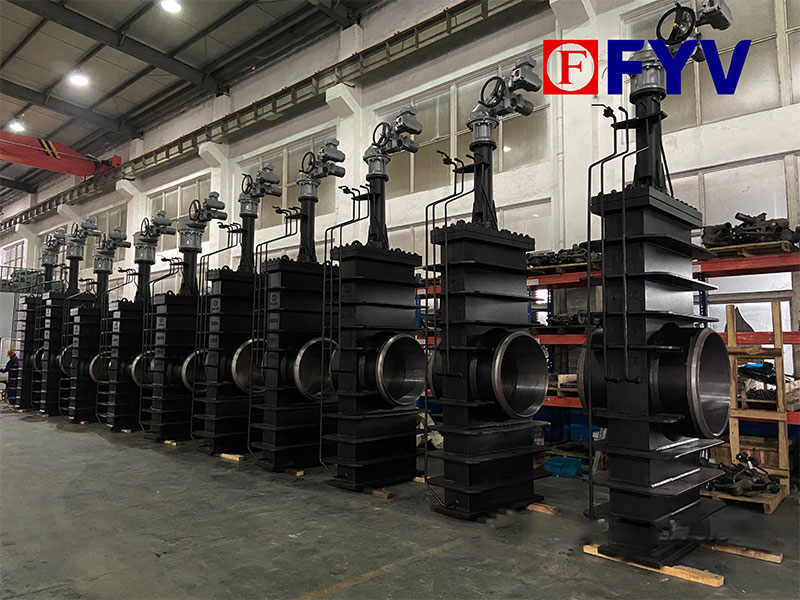
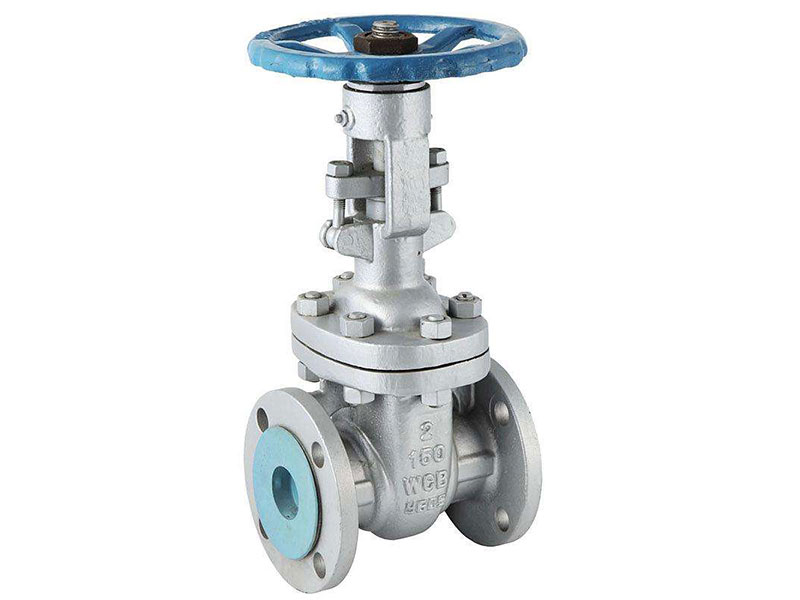
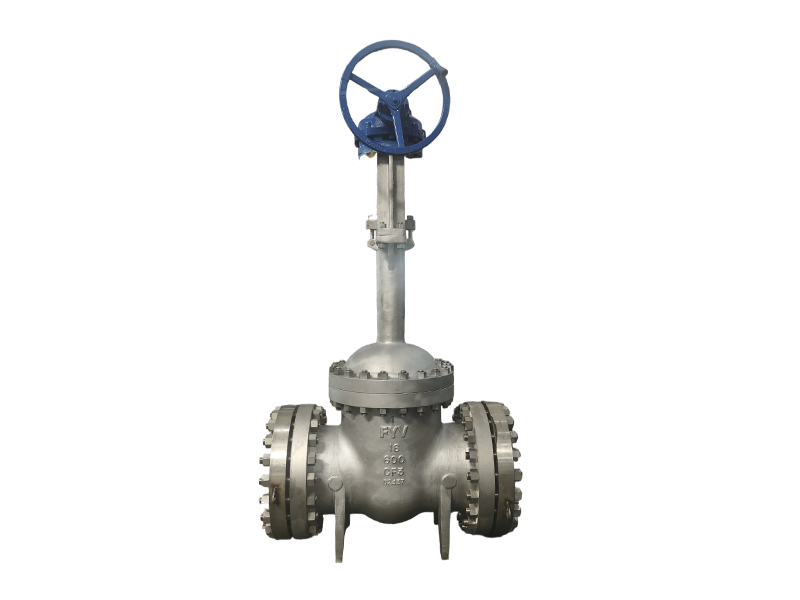
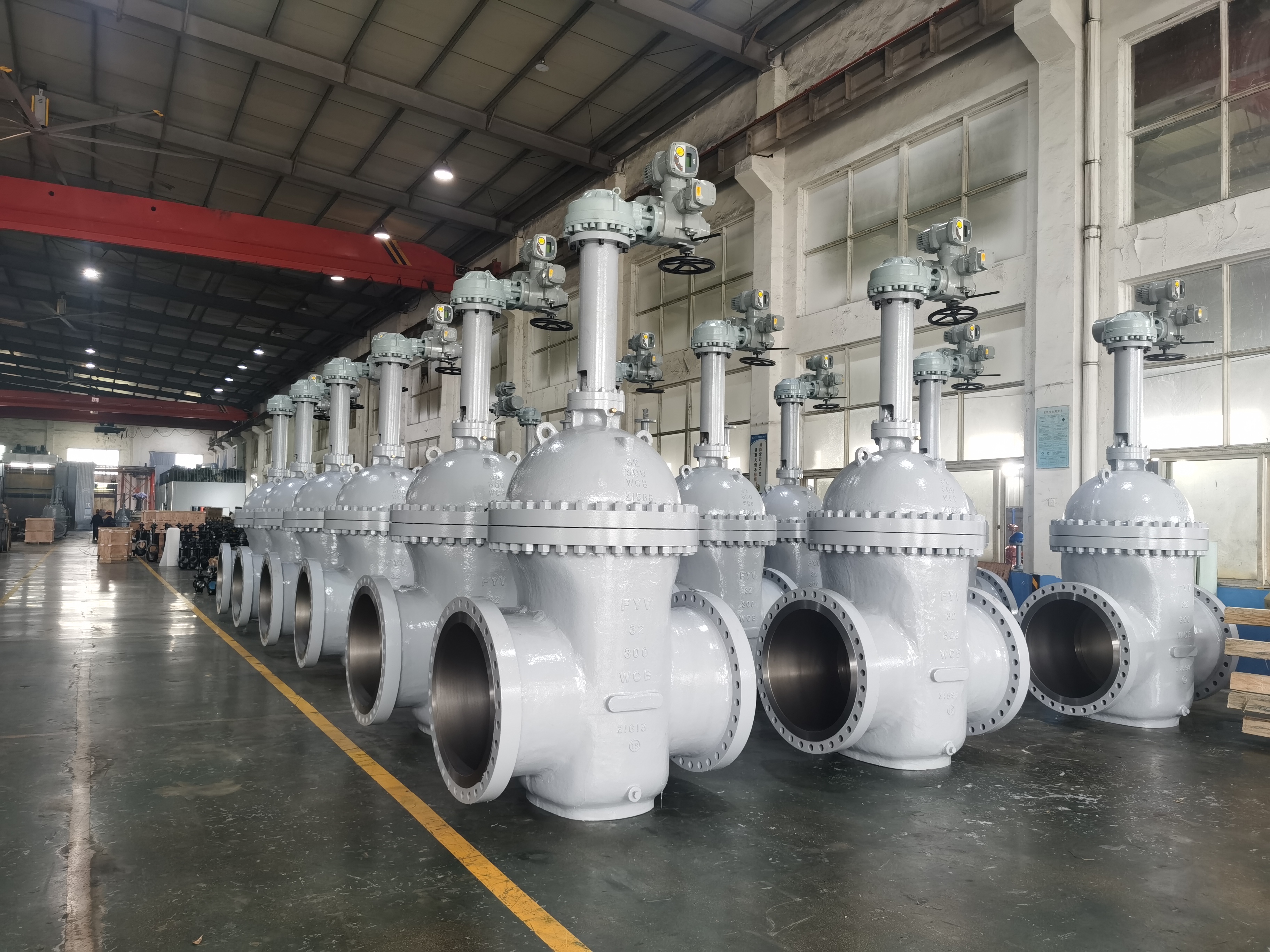
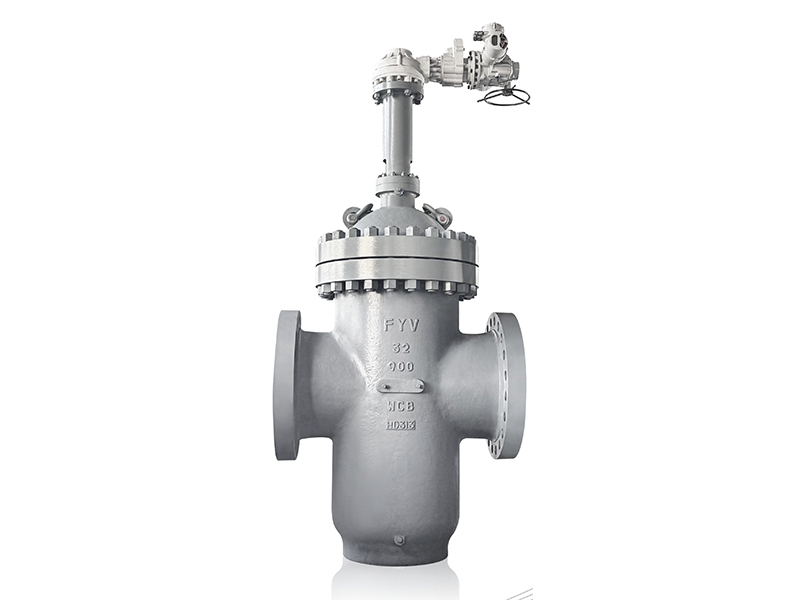
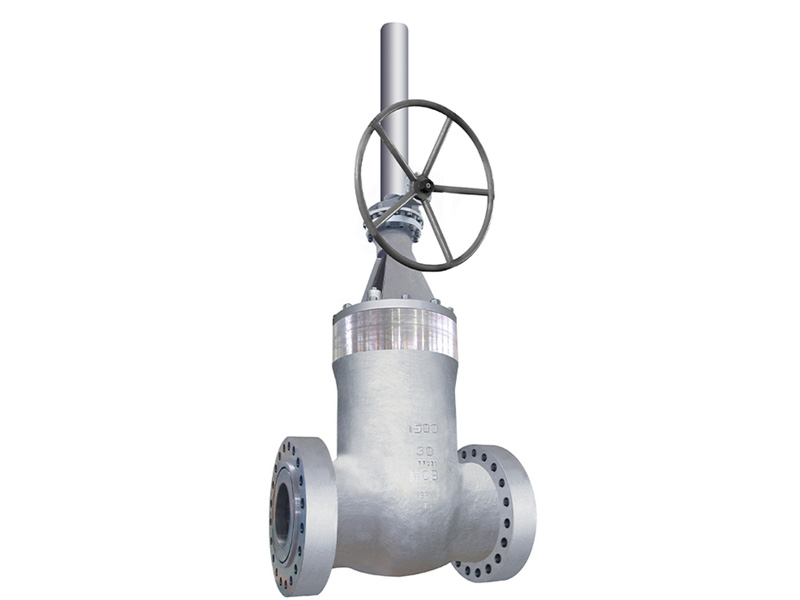
Gate Type Flow Control Device
This design uses a sliding internal component to fully open or fully block flow. It is often used in systems where flow direction is either active or inactive rather than continuously adjusted.
Typical characteristics:
- Simple internal movement
- Low resistance when fully open
- Suitable for isolation tasks
Ball Type Flow Control Device
This structure uses a rotating spherical element with a passage through its center. When rotated, it allows or blocks flow.
Common use cases:
- Fast switching operations
- General chemical transport lines
- Systems requiring quick response
This type is known for its straightforward operation style.
Globe Type Flow Regulator
This design is often used when flow adjustment is needed rather than simple on-off control. Internal structure allows more gradual control of flow volume.
Typical features:
- Better adjustment capability
- Suitable for controlled processes
- Used in systems requiring flow balance
Butterfly Style Flow Device
This type uses a rotating disc placed in the middle of the pipeline. It is often used in larger pipe systems where space efficiency matters.
Key points:
- Lightweight structure
- Rapid Operation
- Applicable to large diameter pipeline
Check Type Flow Control Component
This design allows flow in only one direction. Prevents the reverse flow inside the pipe.
It is commonly used to:
- Protect pumps
- Avoid backflow condition
- Maintain directional stability
Diaphragm Style Isolation Device
This structure uses a flexible barrier to separate media from mechanical components. It is often used in environments requiring cleaner separation conditions.
Typical usage:
- Sensitive chemical processes
- Corrosive media handling
- Systems requiring minimal contamination risk
| Type |
Main Function |
Flow Behavior |
Typical Usage |
| Gate Style |
Isolation |
Full open or closed |
Pipeline shut-off |
| Ball Style |
Quick control |
Fast switching |
General transport |
| Globe Style |
Adjustment |
Controlled regulation |
Process control |
| Butterfly Style |
Space-efficient control |
Moderate regulation |
Large pipelines |
| Check Style |
Direction control |
One-way flow |
Pump protection |
| Diaphragm Style |
Separation control |
Isolated flow path |
Sensitive systems |
Where These Devices Are Commonly Used
Flow control systems are used in many industrial environments where materials are moved in a controlled manner.
Chemical Processing Systems
These environments involve mixing, reacting, and transferring chemical substances. Flow stability is important for consistent process output.
Petrochemical Operations
In oil and gas related systems, pipeline control plays a role in transportation and refining processes.
Water Treatment Facilities
The chemical dosing and filtration system is based on a controlled flow to keep the water quality standard.
Pharmaceutical Manufacturing
Clean and controlled flow environments help maintain product consistency during production stages.
Industrial Utility Systems
Cooling and heating networks often use flow regulation devices to maintain system balance.
Internal Mechanism and Operational Logic
Even though designs differ, most systems follow a similar internal logic.
Flow control is achieved through interaction between moving parts and fixed housing structures. When alignment changes, the internal passage either becomes open or restricted.
In automated systems, external signals from control units can trigger movement without manual intervention. This allows integration into larger production systems.
Automation has made these devices more responsive in modern environments, especially in continuous production lines.
Material Considerations in Design
Material selection plays an important role in long-term performance. Different environments require different resistance properties.
Common material categories include:
Stainless-Based Materials
Used for general corrosion resistance and stable performance in chemical environments.
Carbon-Based Materials
Often used in less reactive environments or where structural strength is prioritized.
Alloy-Based Materials
Suitable for environments with higher temperature or pressure variation.
Lined Internal Structures
Protective layers such as PTFE or similar materials are used to reduce chemical interaction with internal surfaces.
Material selection depends on media type, system conditions, and maintenance expectations.
Importance of Sealing Performance
Sealing is a key part of flow control systems. It helps prevent leakage and ensures stable operation.
In chemical environments, sealing performance becomes even more important because even small leakage can affect process stability.
Different sealing methods are used depending on design type:
- Soft sealing for flexible contact
- Hard sealing for high durability requirements
- Composite sealing for balanced performance
Operational Safety in Industrial Systems
Flow control systems contribute directly to operational safety. By controlling movement inside pipelines, they help prevent unexpected flow conditions.
Key safety-related roles include:
- Preventing reverse flow
- Supporting emergency shutdown procedures
- Helping isolate sections during maintenance
- Reducing system pressure instability
Modern industrial systems often integrate these devices with monitoring systems for better control.
Automation and Modern Control Integration
Many modern systems now include automated control functions. Instead of manual operation, signals from sensors or controllers can adjust flow conditions.
This allows:
- Faster response times
- Reduced manual intervention
- Improved process consistency
- Better system monitoring
Automation also helps reduce operational variation across production cycles.
Maintenance Considerations
Like any mechanical component, flow control devices require maintenance to ensure long-term operation.
Typical maintenance focuses include:
- Inspection of sealing surfaces
- Checking movement flexibility
- Monitoring internal wear conditions
- Ensuring stable connection points
Regular inspection helps maintain stable performance in long-term use.
Chemical industrial valves are widely used across many industries because they provide essential control over flow conditions inside complex systems.
They support operational stability, assist in process control, and contribute to system safety. While the structure may seem simple, the role they play in industrial environments is quite important.
As industrial systems continue to evolve, these devices remain a core part of pipeline design and process management.



 English
 русский
 Español
 عربى
عربى