English
 русский
 Español
 عربى
عربى
Industry News
Home / News / Industry News / Common Oil Pipeline Valve Types and Core Functions in Oil and Gas Transportation
2026-05-26
The complete oil and gas pipeline network is equivalent to a sophisticated industrial circulatory system, which relies on accurate control to realize stable hydrocarbon transmission. As core control components of pipeline systems, oil pipeline valves are specially applied to guide, cut off, and adjust fluid flow. A clear understanding of mainstream pipeline valve types and their unique functions is essential to guarantee the operational safety and operational efficiency of large-scale oil and gas energy pipeline infrastructures.
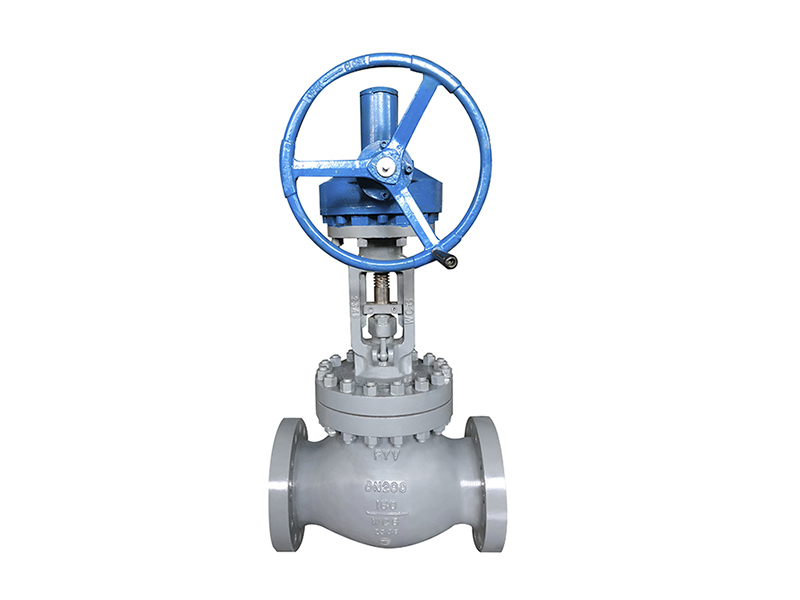
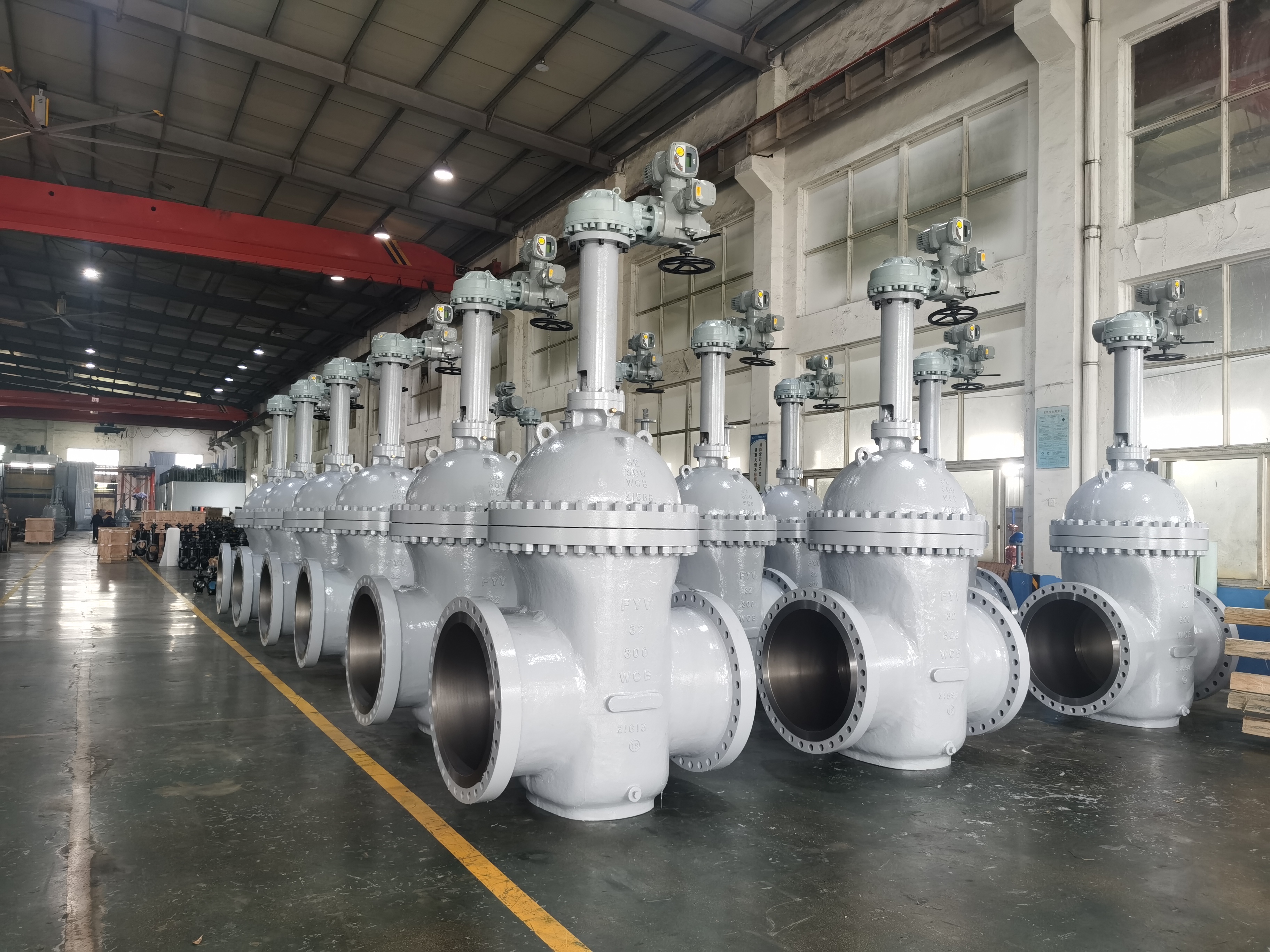
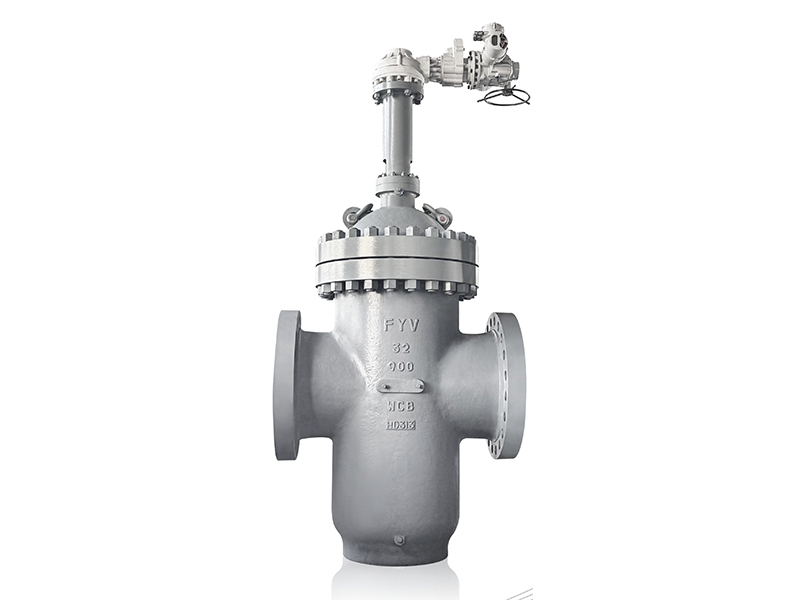
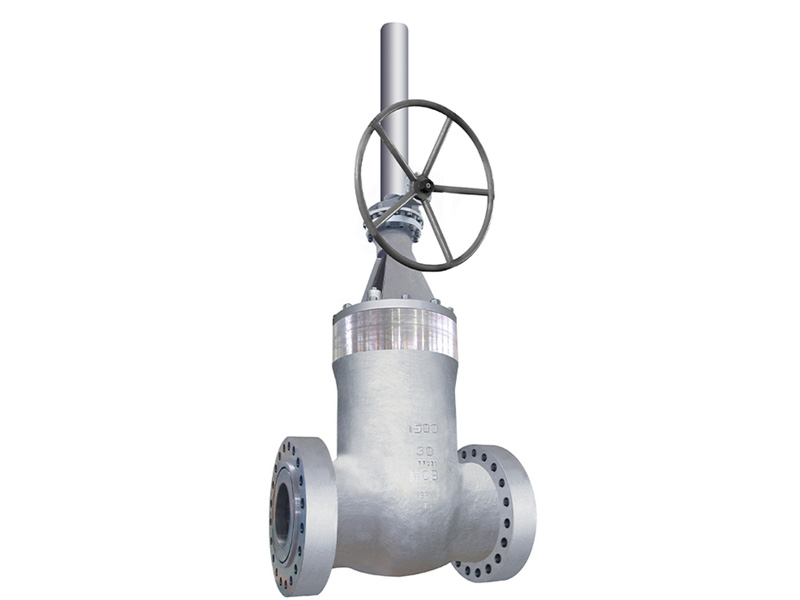
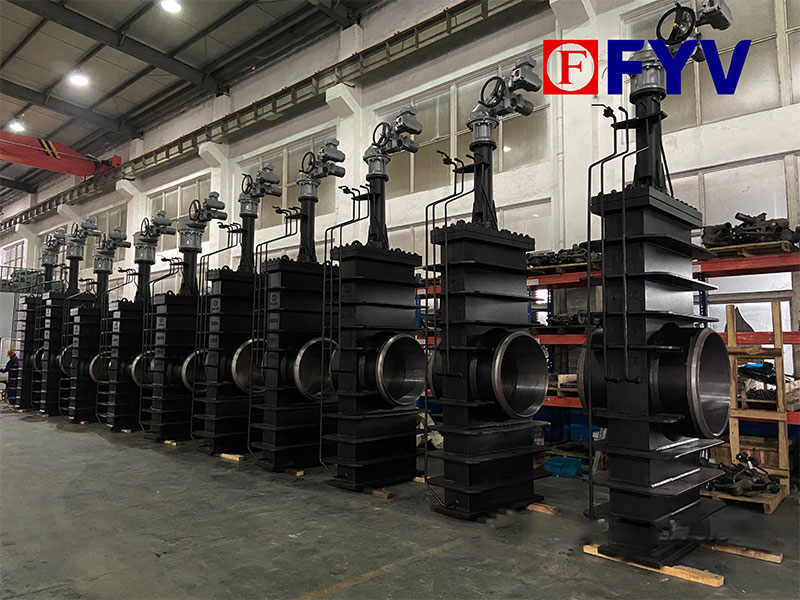
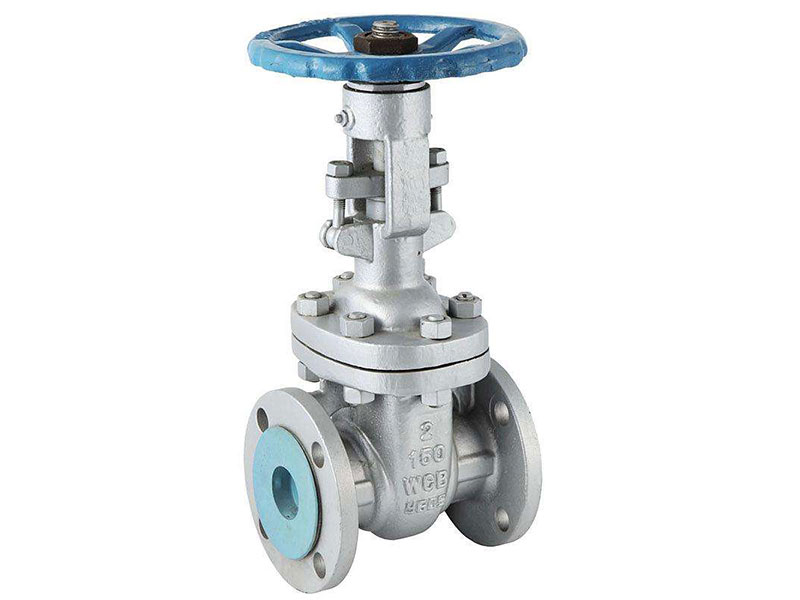
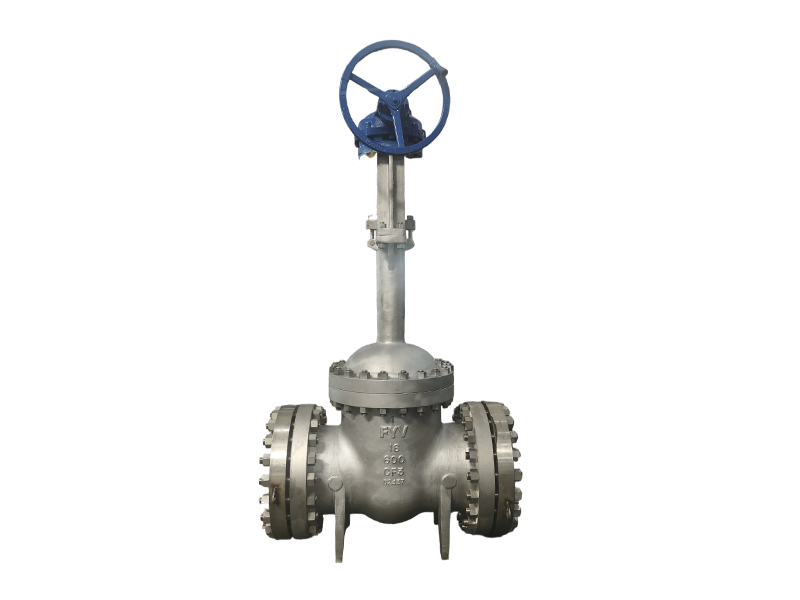
Gate valves are mainly used for pipeline isolation in oil and gas transportation. Featuring a flat gate structure, the valve fully exits the fluid channel when opened, producing minimal flow resistance and enabling unobstructed full-flow transportation. When closed, the gate falls tightly to form a complete seal and block fluid passage effectively. Widely installed at key positions such as the inlets and outlets of pump stations and storage tanks, gate valves support reliable sectional pipeline shutdown, facilitating routine maintenance and emergency disposal. It is worth noting that gate valves are not applicable for flow regulation. Partial opening will easily trigger pipeline vibration, causing wear and damage to the valve disc and sealing seat.
Ball valves are well-known for their excellent tight sealing performance and fast switching response. The core structure is a rotating spherical body with a central flow hole, which can realize full opening and full closing of the pipeline through a 90-degree quarter turn. With a simple, sturdy, and durable structural design, ball valves deliver stable and reliable cutting-off effects, making them ideal for scenarios requiring rapid pipeline isolation. Thanks to their superior sealing and quick operation advantages, some customized ball valves are configured as Emergency Shutdown Valves (ESDVs) for key pipeline sections, which can instantly cut off fluid flow once system faults are detected to avoid safety risks.
Check valves act as the "guardians" of unidirectional pipeline flow in oil and gas systems. Operating automatically without manual control, they effectively prevent harmful fluid backflow that may damage pipeline equipment. The internal swinging disc or spring piston structure opens under the pressure of forward fluid flow and closes automatically immediately when fluid reverses, strictly ensuring single-direction flow. This key function effectively protects core equipment, including pumps, from damage caused by reverse rotation. Check valves are mostly installed on pipeline discharge lines and other key positions to maintain stable and safe operation of the entire transportation system.
Plug valves share similar operating principles with ball valves, adopting a cylindrical or conical plug with a flow port as the core component. Rotating the plug 90 degrees can align the flow port with the pipeline channel to open the valve, or isolate the channel to complete closing. This valve can be designed into multi-port structures based on actual working conditions, achieving not only pipeline flow cutoff but also flexible diversion of fluid among multiple pipelines. It is widely used in complex pipeline layouts of pump stations and tank farms, realizing flexible scheduling and directional transmission of oil and gas fluid between different tanks and pipelines.
All types of oil pipeline valves are professionally designed and manufactured for specific working scenarios and functional requirements of oil and gas transportation. Gate valves for isolation, ball valves for emergency cutoff, check valves for anti-backflow, and plug valves for flow diversion cooperate with each other to build a complete pipeline flow control system. Reasonable selection of valve types according to actual operating conditions is a key foundation for standardized design, safe operation, and efficient operation of oil and gas pipelines.
Model:
Model:
Model:
 Phone: +86-15325080303
Tel: +86-0577-67388008
Email: info@fy-valve.com
Phone: +86-15325080303
Tel: +86-0577-67388008
Email: info@fy-valve.com
Quick Links
Contact Us
Copyright ©
Fangyuan Valve Group Co., Ltd.
All Rights Reserved.
China Valve Manufacturer