Water Project Valve Industry Knowledge Extension
Understanding Industrial Valves in Water Projects and Specialized Applications
Industrial valves are essential components in controlling the flow of fluids in various applications. Choosing the right type of valve is critical to ensure system efficiency, safety, and longevity. At Fangyuan Valve Group (FYV), our focus is on delivering high-quality valves for diverse industries, including water projects, petrochemical plants, cryogenic applications, and power generation. Below, we provide an overview of important valve types and their applications.
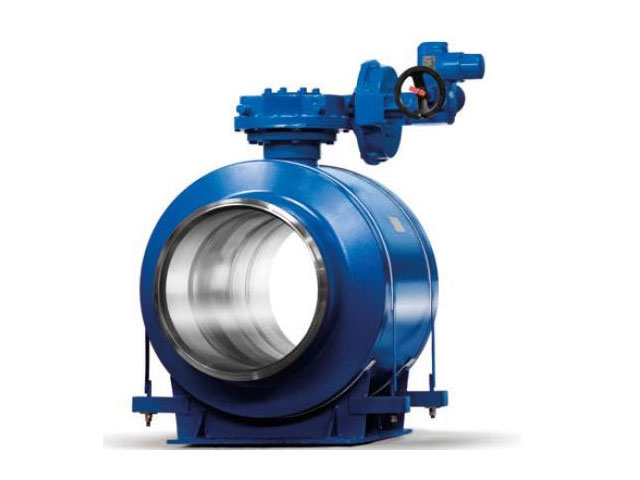
Water Project Valves
Water project valves are specifically designed for use in water supply, distribution, and treatment systems. They play a crucial role in controlling water flow, pressure, and direction within pipelines and facilities.
Key Applications
- Municipal water supply networks
- Irrigation and agriculture systems
- Water treatment and filtration plants
- Pumping stations and storage reservoirs
Common Types
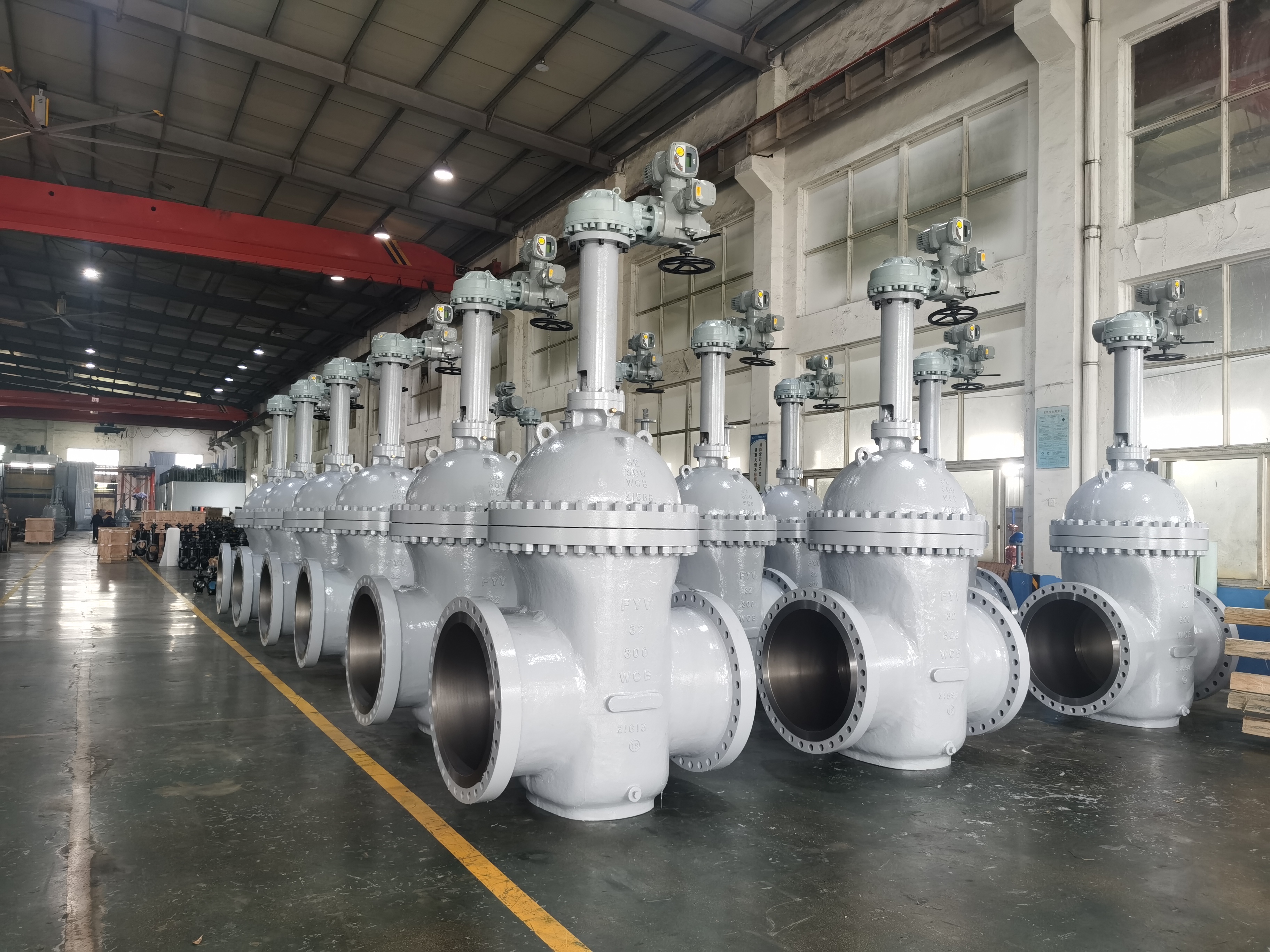
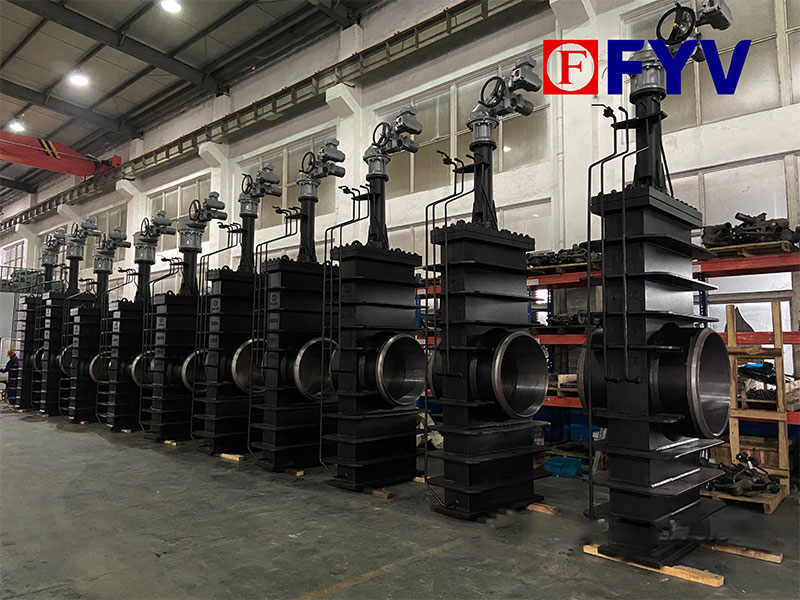
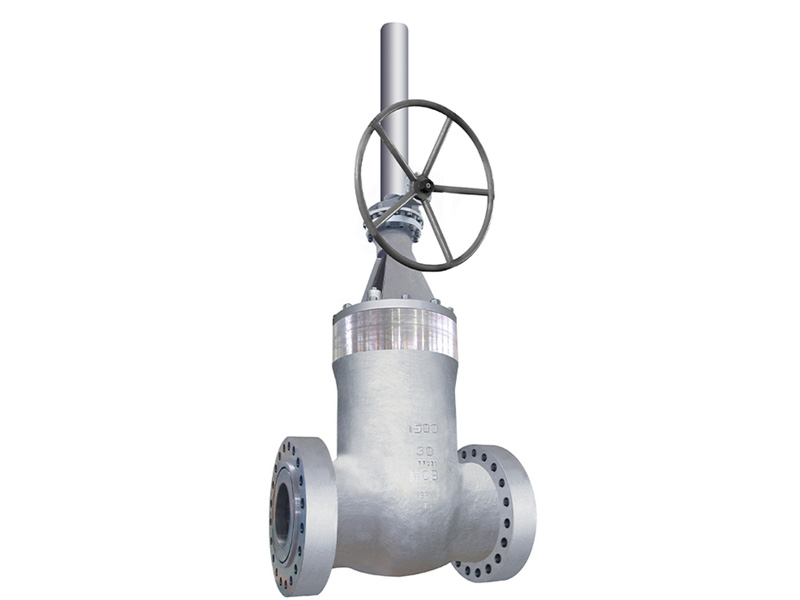
- Gate Valves – Often used for on/off control, providing minimal pressure drop when fully open.
- Butterfly Valves – Suitable for large-diameter pipelines, offering lightweight construction and quick operation.
- Check Valves – Prevent backflow and maintain unidirectional flow in water pipelines.
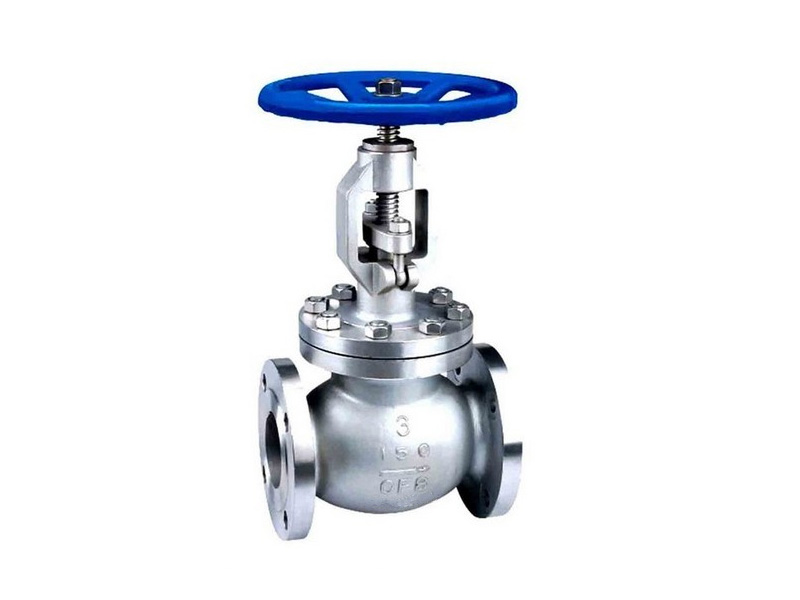
- Globe Valves – Provide precise flow regulation for process control and pressure adjustment.
Water project valves must meet specific standards for durability, corrosion resistance, and sealing performance, as failures can disrupt water supply and damage infrastructure.
WCB Valves
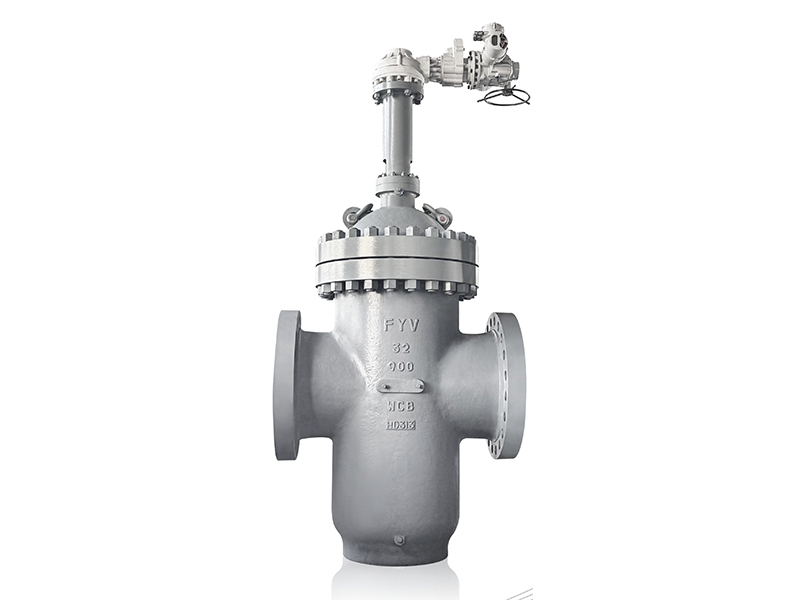
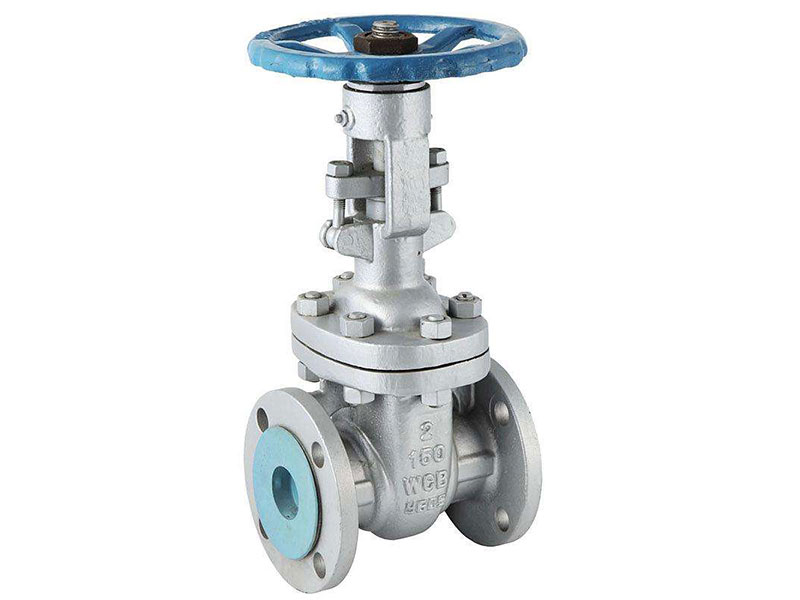
WCB valves are constructed using WCB (Wrought Carbon Steel) material, a widely used grade in industrial valve manufacturing. WCB is known for its mechanical strength, heat resistance, and versatility.
Material Characteristics
- Good tensile and yield strength suitable for medium to high-pressure applications
- Heat treatment enhances toughness and durability
- Compatible with various sealing materials to provide leak-tight performance
Applications
WCB valves are commonly applied in:
- Oil and gas pipelines
- Power generation systems
- Chemical and petrochemical processing
- General industrial processes
Valve Types
- WCB Gate Valves – Reliable for isolating fluids in pipelines
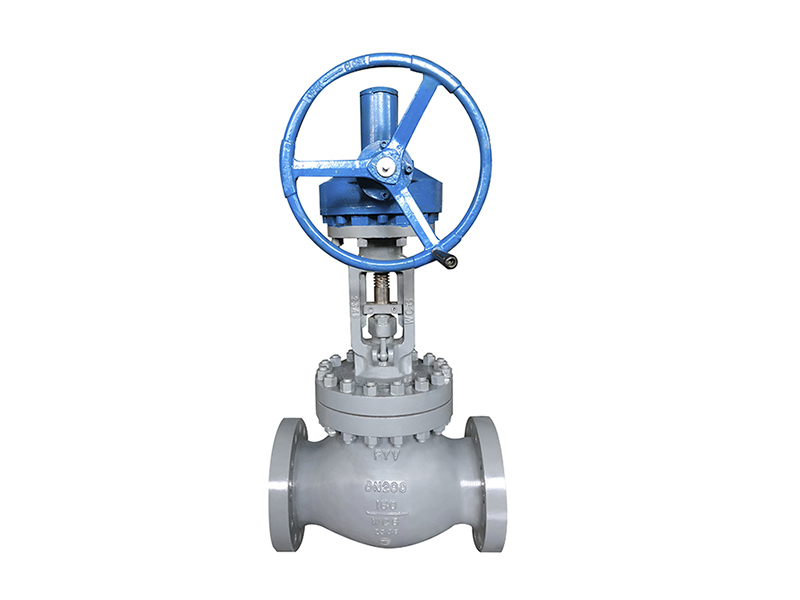
- WCB Globe Valves – Provide accurate flow control in process systems
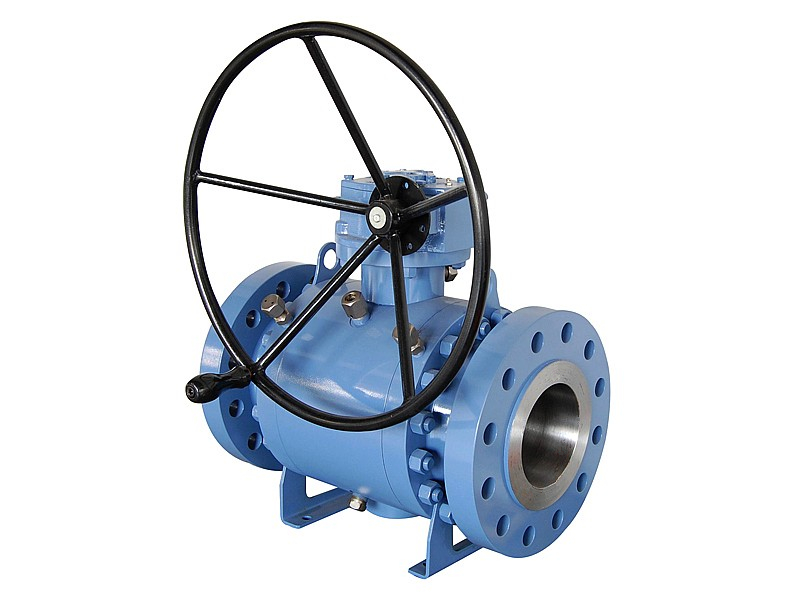
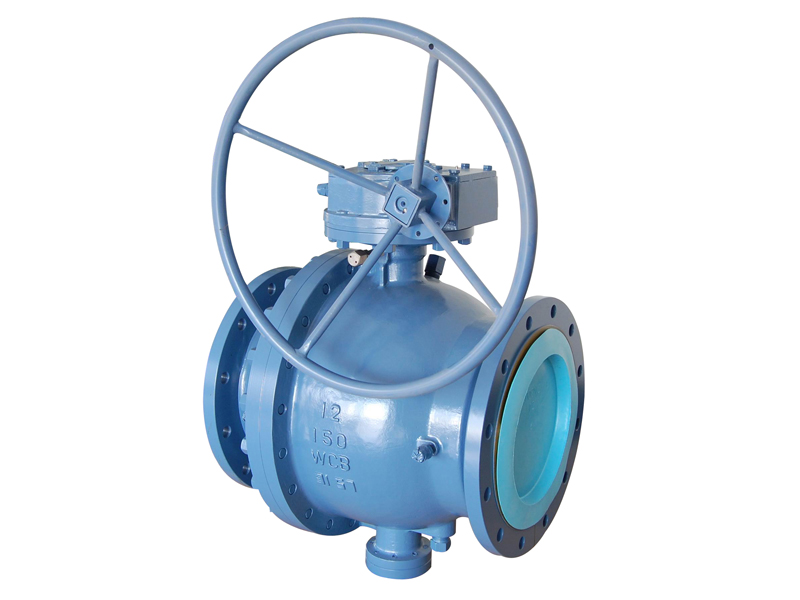
- WCB Ball Valves – Offer quick quarter-turn operation for on/off control
WCB valves balance strength, cost, and performance, making them suitable for a broad range of industrial systems.
Cryogenic Valves
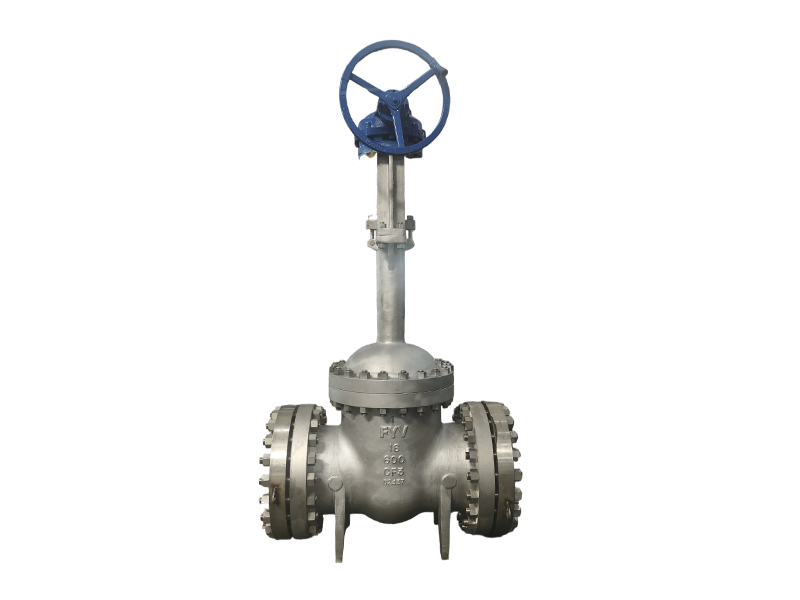
Cryogenic valves are designed to handle extremely low temperatures, typically below -150°C, where standard valves cannot maintain mechanical integrity or sealing performance. They are essential in applications involving liquefied gases such as LNG (liquefied natural gas), liquid oxygen, and liquid nitrogen.
Design Considerations
- Materials must retain toughness at low temperatures
- Special seals and packing prevent leakage at cryogenic temperatures
- Thermal contraction of components is accounted for in valve design
Common Applications
- LNG storage and transport
- Cryogenic chemical processing
- Medical gas systems
- Industrial refrigeration systems
Types of Cryogenic Valves
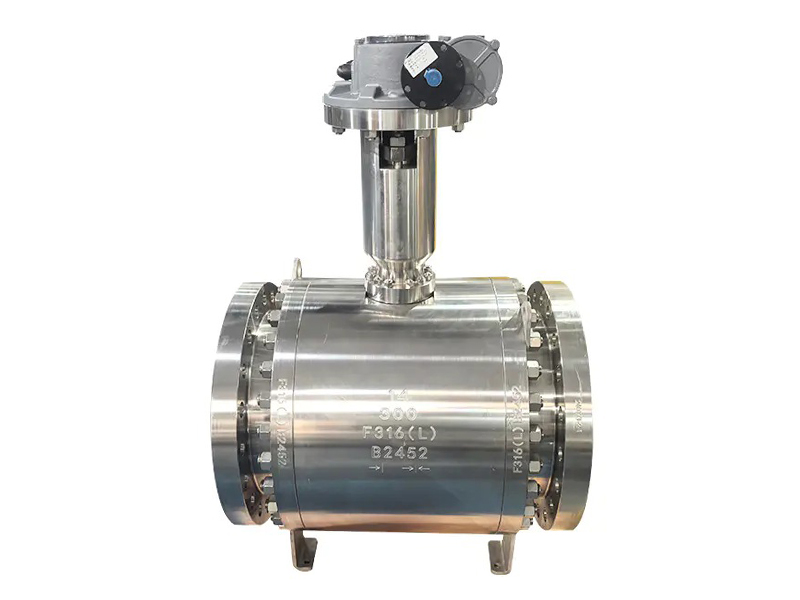
- Cryogenic Ball Valves – Provide reliable shutoff with low torque at extreme temperatures
- Cryogenic Globe Valves – Allow precise flow control while maintaining seal integrity
- Cryogenic Check Valves – Prevent reverse flow in low-temperature pipelines
Cryogenic valves require specialized engineering to ensure safe operation, as materials behave differently under extreme cold conditions.
Selection Criteria for Industrial Valves
Choosing the right valve involves considering multiple factors:
- Operating Pressure and Temperature – Ensuring the valve material and design withstand system conditions.
- Fluid Type – Compatibility with water, chemicals, hydrocarbons, or cryogenic liquids.
- Flow Requirements – Whether the system requires precise control, throttling, or full on/off operation.
- Maintenance and Longevity – Selecting valves that offer low maintenance while maintaining performance over time.
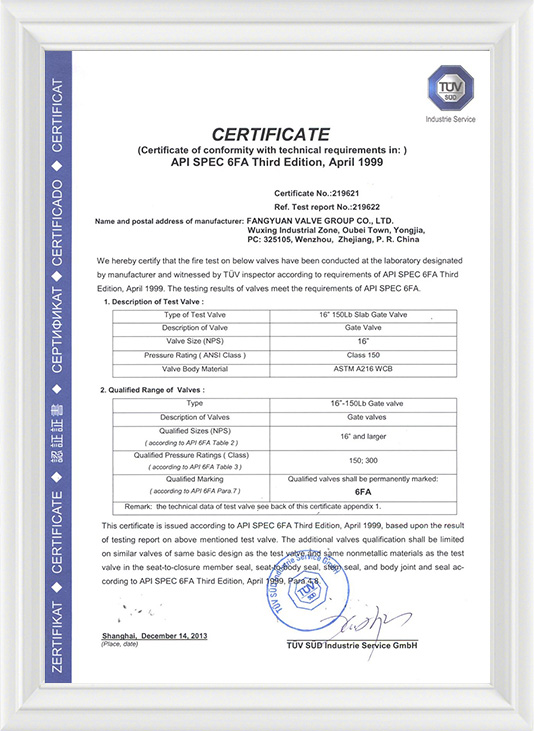
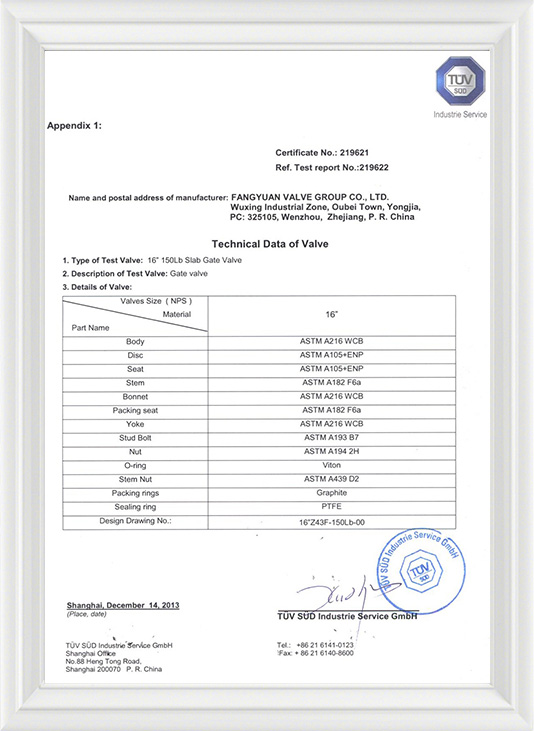
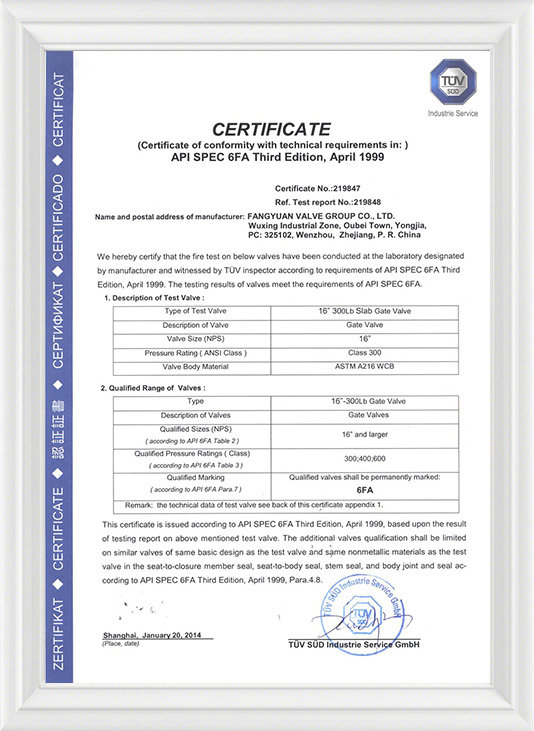
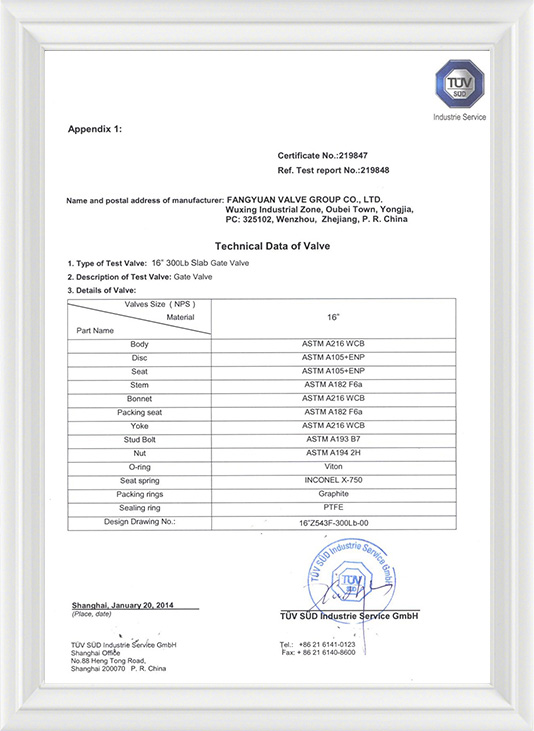
- Standards and Certification – Compliance with relevant industry standards ensures reliability and safety.
FYV provides expert guidance on valve selection to match operational requirements and regulatory expectations.



 English
  русский
  Español
  عربى
عربى