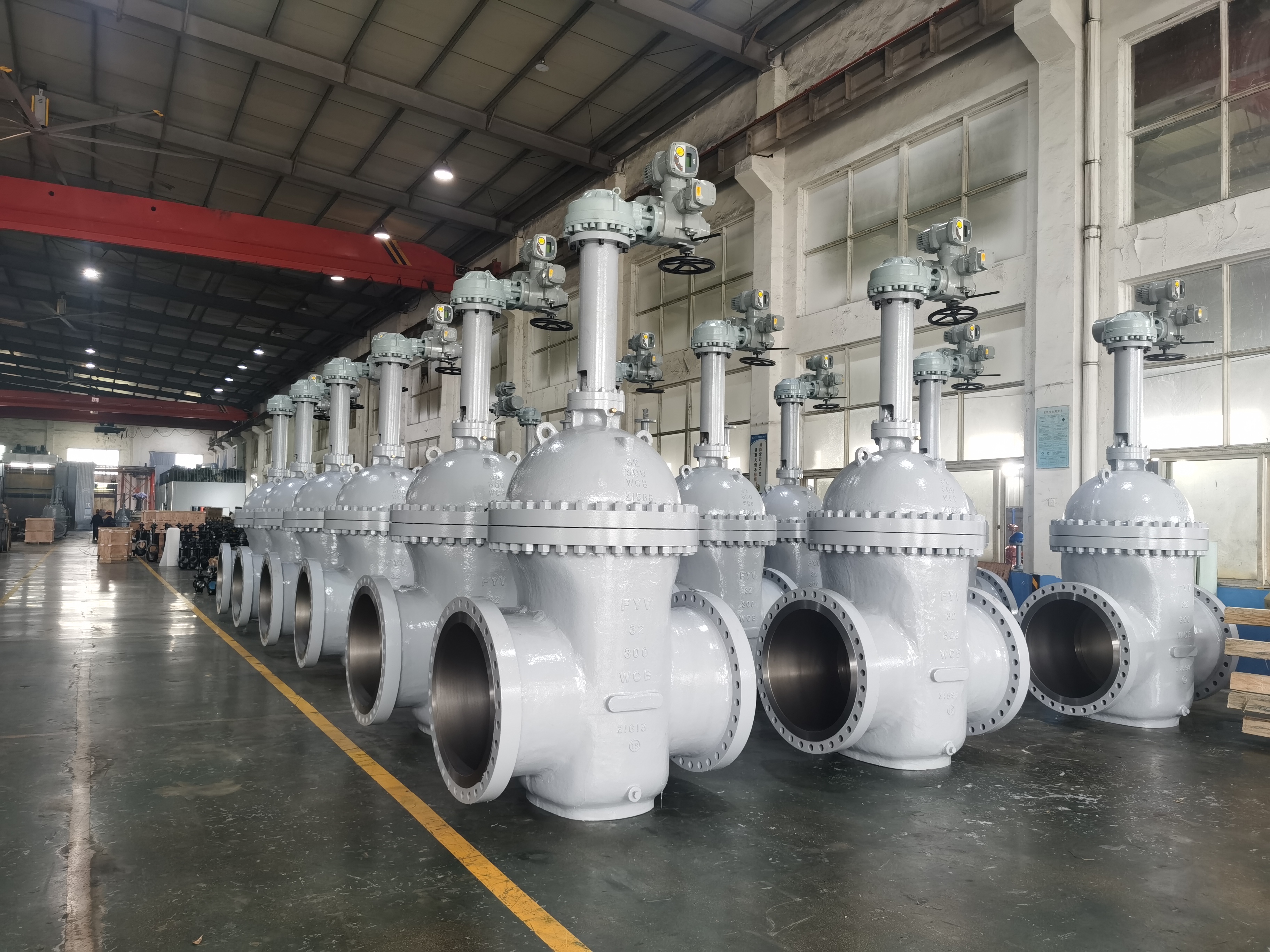
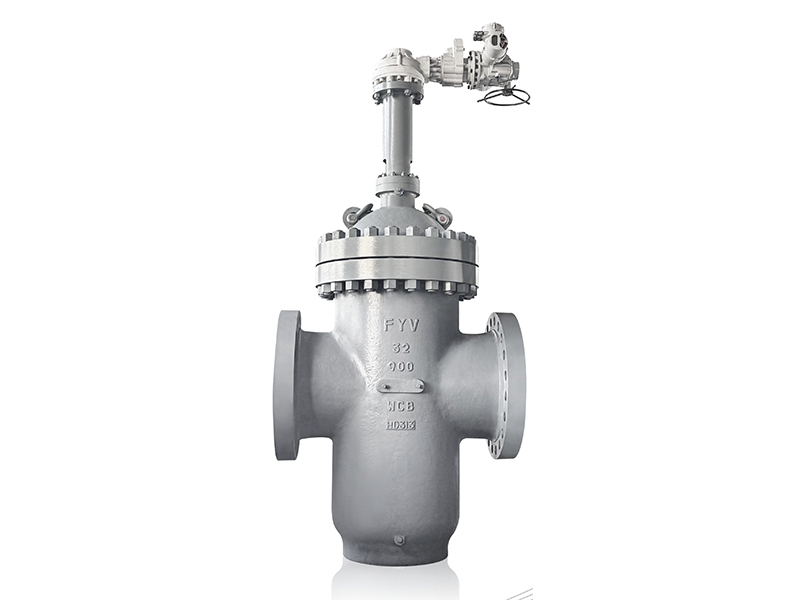
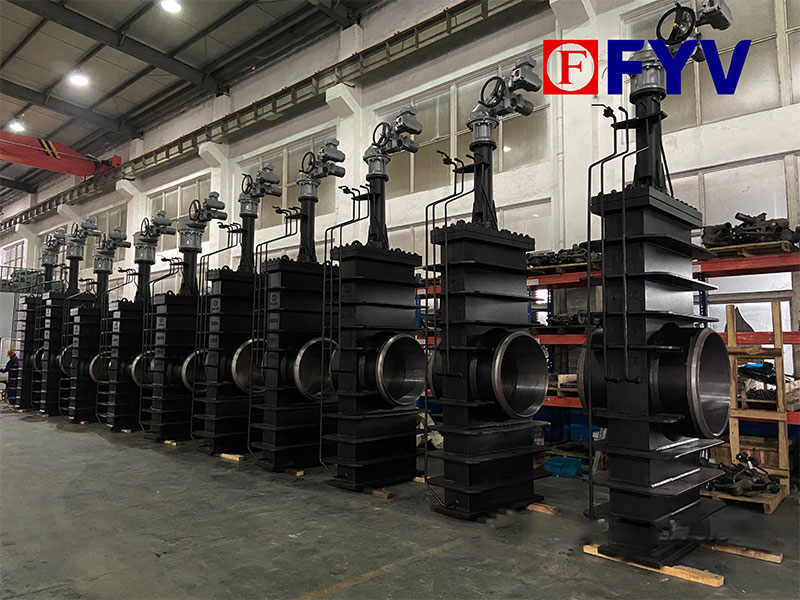
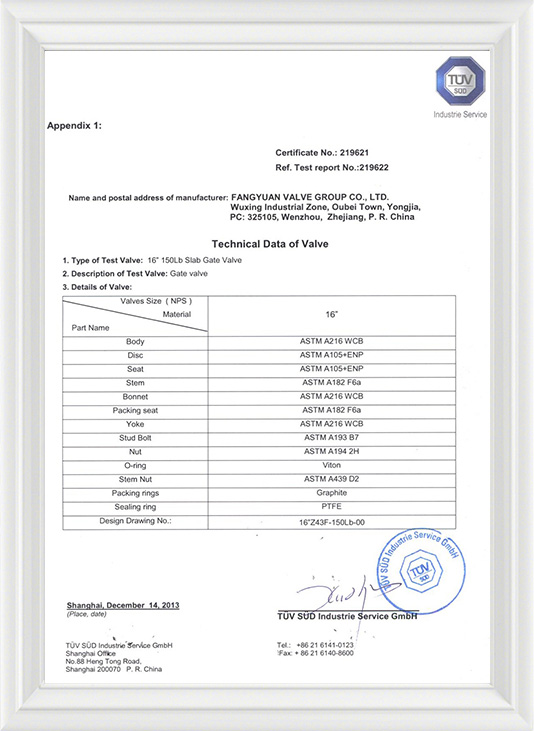
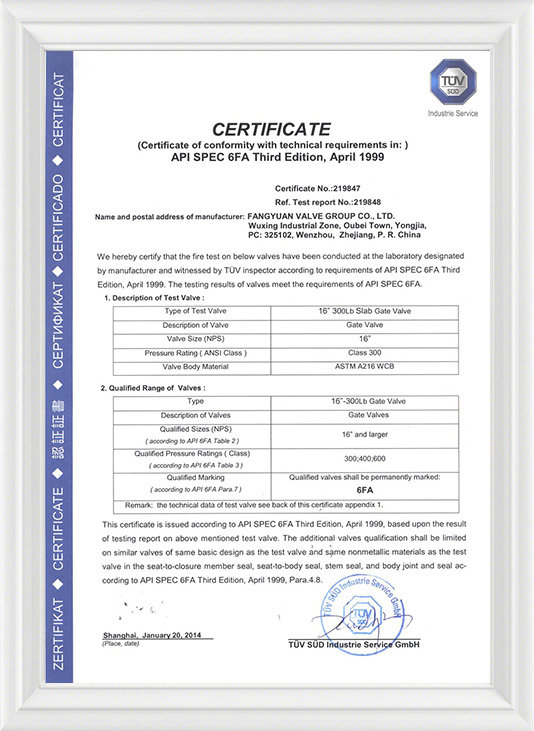
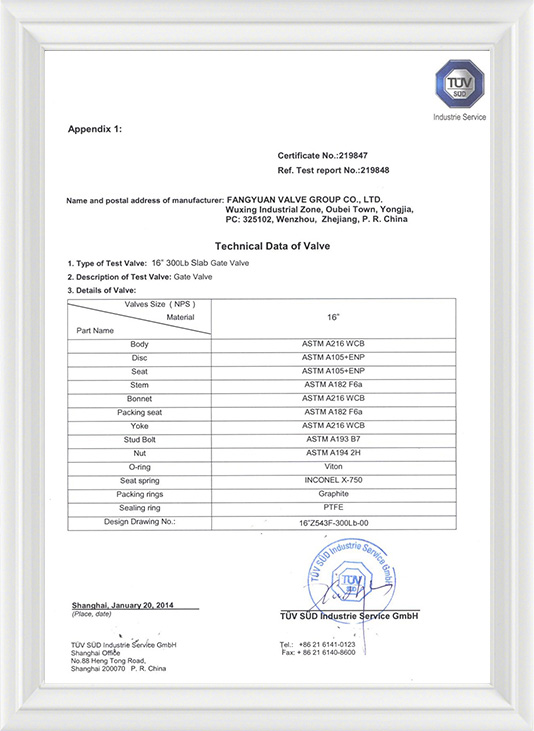
API 6D Gate Valves are widely recognized for their durability, efficiency, and suitability for high-pressure and high-temperature applications. Designed to meet the stringent requirements of API 6D standards, these valves provide special sealing performance, smallest flow resistance, and robust construction, making them ideal for oil and gas, petrochemical, and industrial pipeline systems.
High-Performance Sealing and Flow Efficiency
One of the key advantages of API 6D Gate Valves is their ability to deliver good sealing performance. The valves are designed with a metal-to-metal or resilient seat, ensuring tight shutoff even under to the limit conditions. This feature relatively small leakage risks and enhances the overall safety of the pipeline system. Additionally, their full-bore design significantly reduces pressure drops, allowing for best flow efficiency without turbulence or obstruction.
Durable Construction for Demanding Environments
API 6D Gate Valves are constructed from high-quality materials such as carbon steel, stainless steel, and alloy steel, providing good resistance to corrosion and wear. These materials extend the service life of the valves, making them a cost-effective choice for industries operating in harsh environments. The valves also undergo rigorous testing to ensure compliance with industry standards, ensuring reliable performance over extended periods.
Versatile Applications Across Industries
These valves are extensively used in various industries, including oil and gas, petrochemical, water treatment, and power generation. Their ability to handle different media, such as crude oil, natural gas, water, and steam, makes API 6D Gate Valves a versatile solution for numerous pipeline systems. The bi-directional sealing capability further enhances their usability, providing flexibility in flow control operations.
Easy Maintenance and Operational Efficiency
Another notable feature of API 6D Gate Valves is their ease of maintenance. Many models come with bolted bonnet designs, allowing for convenient access to internal components without extensive downtime. The valves' non-rising stem options also contribute to space-saving installation, particularly in underground or confined spaces. With these user-friendly attributes, businesses can reduce maintenance costs while ensuring smooth and efficient operations.
Compliance with Industry Standards
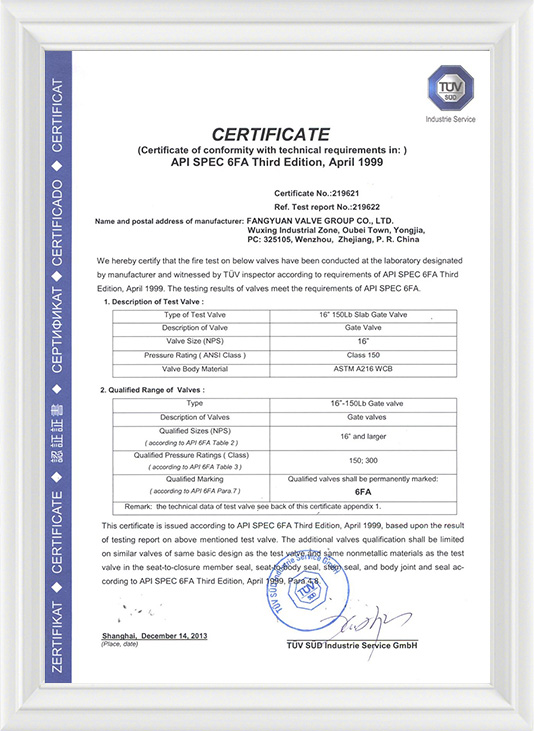
Meeting the stringent API 6D standards, these gate valves adhere to global safety and performance requirements. They are subjected to hydrostatic and pneumatic testing to verify their pressure integrity and leak-tightness. Additionally, API 6D Gate Valves often conform to other industry standards such as ASME, ANSI, and ISO, ensuring compatibility with a wide range of pipeline systems.
Customization Options for Specific Needs
To cater to different operational requirements, API 6D Gate Valves are available in various configurations, including different pressure ratings, end connections, and actuation methods. Options such as manual, pneumatic, electric, and hydraulic actuators allow for tailored solutions based on specific application needs. Custom coatings and internal linings can also be applied to enhance corrosion resistance in particularly aggressive environments.
API 6D Gate Valves offer a reliable, durable, and efficient solution for industries that require high-performance flow control. With their good sealing capabilities, robust construction, and versatile applications, these valves continue to be a First choice choice in demanding pipeline systems. Their compliance with industry standards and ease of maintenance further solidify their value, making them an essential component in industrial operations.



 English
  русский
  Español
  عربى
عربى