Ball valves are highly reliable flow control devices used in a variety of industrial, commercial, and residential applications. Known for their durability and ease of operation, they are widely used in industries such as oil and gas, chemical processing, water treatment, and manufacturing. With a simple yet effective design, ball valves provide a secure and efficient way to regulate fluid flow.
Reliable and Durable Construction
One of the primary advantages of ball valves is their robust construction. Made from high-quality materials such as stainless steel, brass, or PVC, these valves are resistant to corrosion and wear, ensuring long-term reliability. Their solid body design relatively small the risk of leaks and mechanical failures, making them a First choice choice in high-pressure and high-temperature environments.
Efficient Flow Control
Ball valves are designed to provide precise control over fluid flow. The spherical closure mechanism allows for a full-bore design, reduced to a certain extent flow resistance and pressure drops. This characteristic makes them ideal for applications requiring unimpeded flow, such as pipelines and fluid distribution systems. The quick quarter-turn operation allows users to open or close the valve rapidly, enhancing efficiency and reducing downtime.
Versatile Applications
The versatility of ball valves makes them suitable for a wide range of industries. They are commonly found in oil and gas systems, where they handle high-pressure liquids and gases with ease. In chemical processing plants, they help regulate the flow of aggressive substances without compromising safety. Water treatment facilities rely on ball valves to control the movement of water and chemicals efficiently. Additionally, HVAC systems, food processing industries, and fire protection systems benefit from their reliable performance.
Leak-Proof and Secure Sealing
A key feature of ball valves is their ability to provide a secure, leak-proof seal. The precision-engineered ball and seat ensure tight closure, preventing fluid leakage even under high-pressure conditions. This characteristic is essential in industries where leakage could result in safety hazards or costly material losses. Many ball valves also come with reinforced seals to enhance their performance in demanding environments.
Low Maintenance and Longevity
Ball valves require smallest maintenance due to their simple yet effective design. With fewer moving parts compared to other valve types, they experience less wear and tear over time. This results in lower maintenance costs and extended service life. Many ball valves feature self-cleaning capabilities, where the rotating ball helps prevent debris buildup, ensuring smooth operation.
Types of Ball Valves
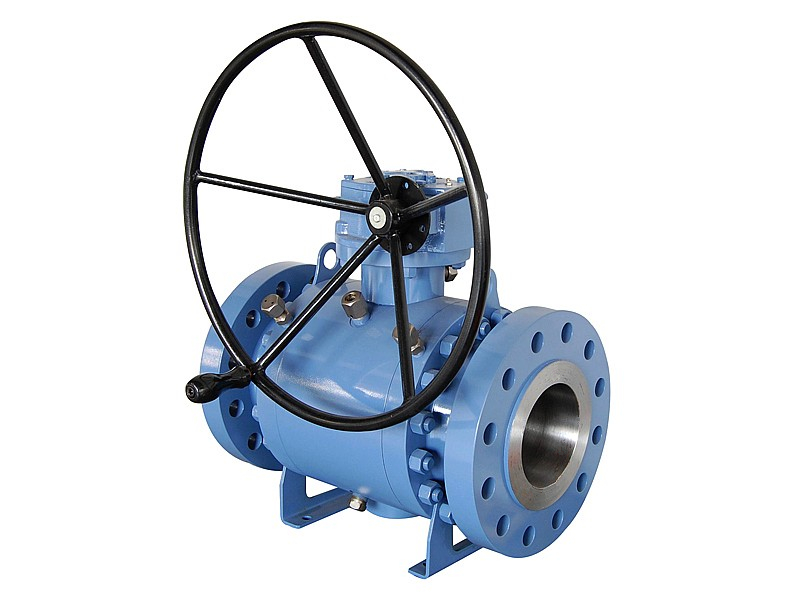
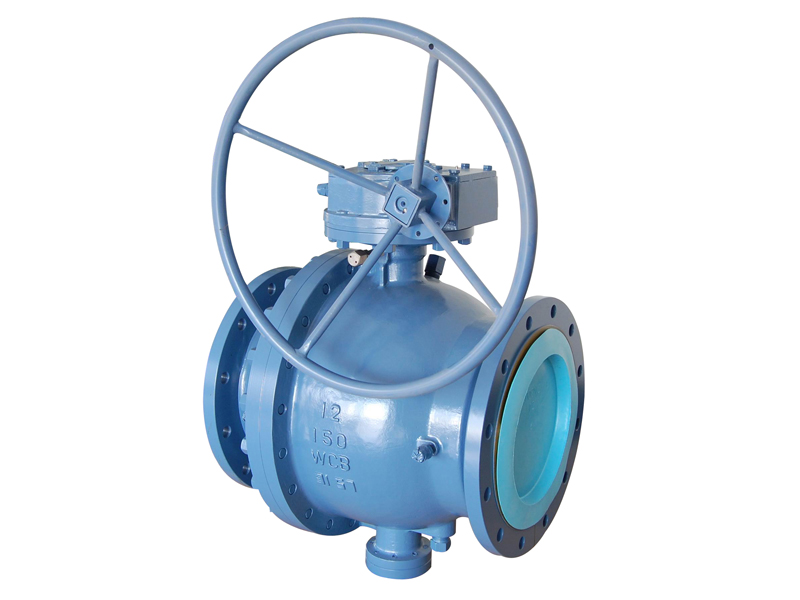
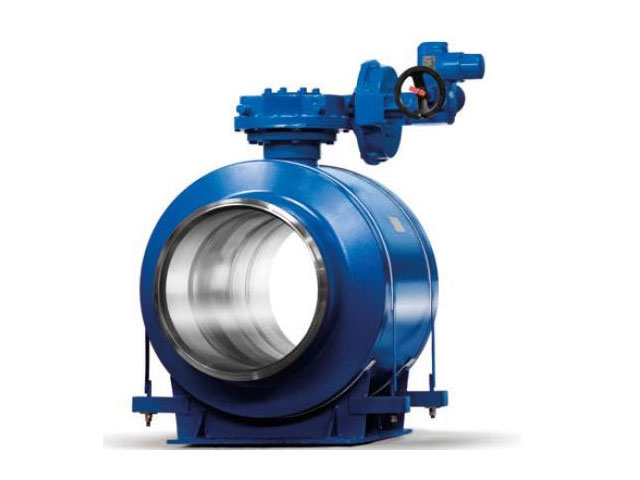
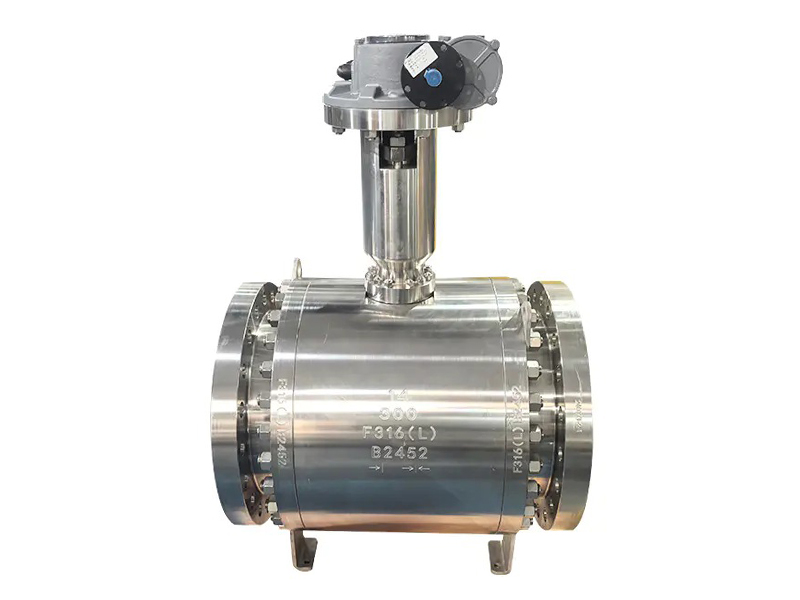
There are several types of ball valves available, each designed for specific applications. Full-port ball valves offer to a certain extent flow capacity, while reduced-port valves are suitable for applications where flow restriction is acceptable. Floating ball valves provide effective sealing under low-pressure conditions, while trunnion-mounted ball valves are ideal for handling high-pressure systems. Three-way and multi-port ball valves allow for complex flow direction control, making them suitable for specialized industrial applications.
Ease of Operation
Ball valves are designed for user-friendly operation. The quarter-turn mechanism provides instant shut-off or flow activation, reducing the effort required to operate them. Manual, electric, or pneumatic actuators can be used to enhance their functionality, depending on the application requirements. This adaptability makes ball valves an good choice for both automated and manually operated systems.
Ball valves are a highly versatile and reliable option for controlling fluid flow across various industries. Their durability, secure sealing, and ease of operation make them a First choice choice for numerous applications.



 English
  русский
  Español
  عربى
عربى