Butterfly Valve Industry Knowledge Extension
Understanding Butterfly Valves in Modern Industrial Applications
Butterfly valves play an essential role in fluid control systems across a wide range of industrial sectors. Their compact structure, relatively simple operation, and adaptability to different media make them a preferred choice for pipelines handling liquids, gases, and slurries. For industries such as oil and gas, LNG, petrochemical processing, power generation, and chemical production, selecting the right butterfly valve design and manufacturer is critical to ensuring system reliability and long-term operational stability.
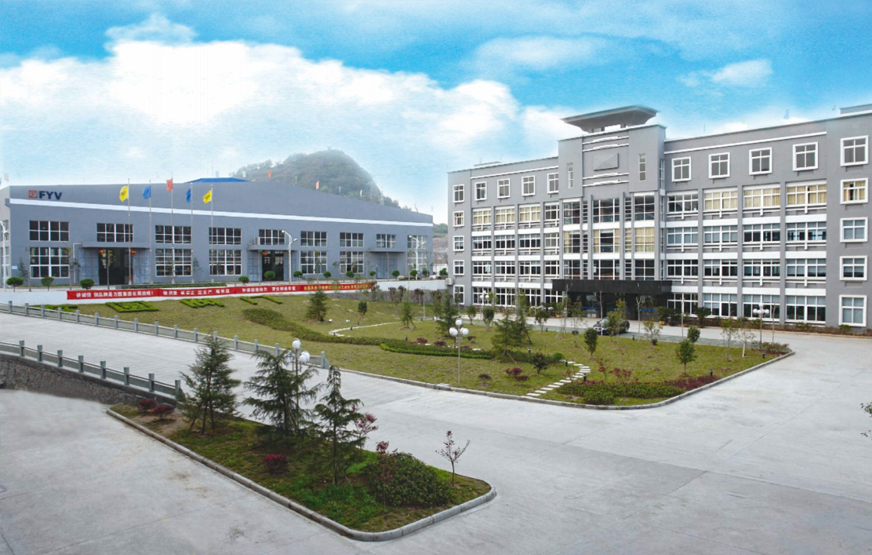
As an experienced Butterfly Valve Manufacturer, FYV focuses on valve designs that meet demanding service conditions while aligning with international engineering and quality standards.
Core Design Principles of Butterfly Valves
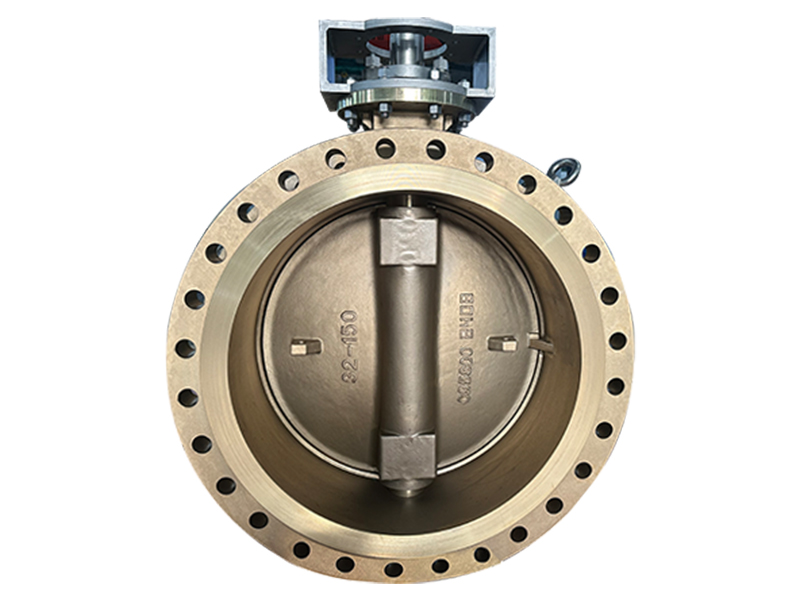
A butterfly valve regulates flow through a rotating disc mounted on a shaft. When the disc is aligned parallel to the flow, the valve is open; when rotated perpendicular, the flow is restricted or shut off. Compared with gate or globe valves, butterfly valves typically require less installation space and allow faster actuation.
Key design considerations include:
- Disc geometry and alignment
- Seat material compatibility with process media
- Shaft sealing and bearing support
- Pressure and temperature ratings
- Compliance with applicable standards such as API, ISO, or EN
These factors directly influence performance, sealing behavior, and service life.
Full Bore Butterfly Valve: Flow Efficiency and System Integration
A Full Bore Butterfly Valve is designed to minimize flow restriction by providing a clear, unobstructed flow path when fully open. This design is particularly valuable in applications where pressure loss, flow turbulence, or pigging operations must be carefully controlled.
Advantages of Full Bore Design
- Reduced pressure drop across the valve
- Improved flow characteristics for high-capacity pipelines
- Compatibility with pipeline inspection tools
- Consistent performance in continuous operation
Full bore butterfly valves are commonly used in oil and gas pipelines, LNG transfer lines, and large-diameter water or process systems where maintaining flow efficiency is a key engineering requirement.
Heavy Duty Butterfly Valve for Demanding Service Conditions
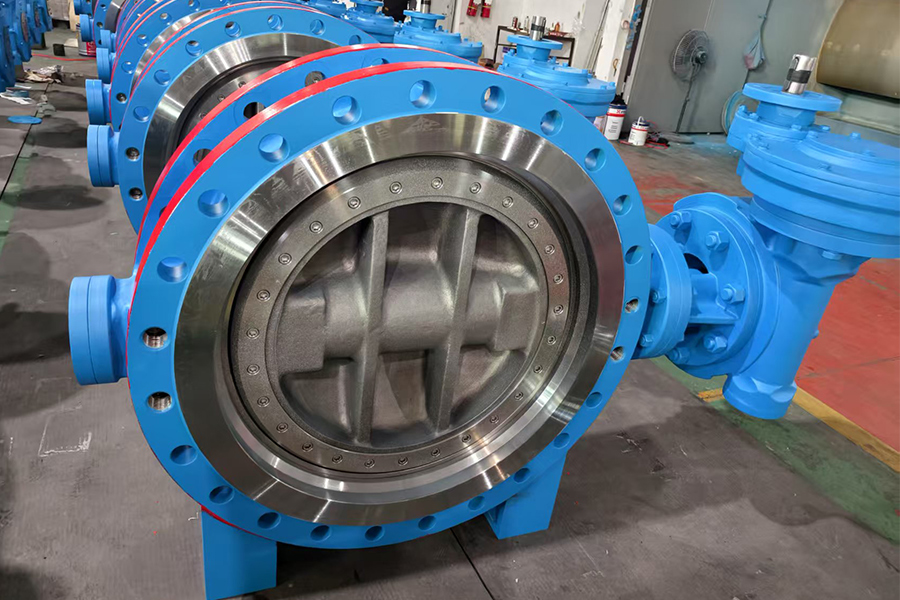
In harsh operating environments, standard valve configurations may not be sufficient. A Heavy Duty Butterfly Valve is engineered for applications involving high pressure, elevated temperatures, abrasive media, or frequent cycling.
Typical Features of Heavy Duty Designs
- Reinforced valve bodies and discs
- High-strength shafts and bearings
- Metal-seated or advanced composite seating options
- Enhanced sealing systems for critical shutoff
These valves are often deployed in refining units, petrochemical plants, power stations, and pipeline networks where mechanical strength and operational stability are essential for safe system performance.
Material Selection and Manufacturing Considerations
Material selection is a fundamental aspect of butterfly valve engineering. Depending on the application, valve bodies and components may be manufactured from carbon steel, stainless steel, duplex stainless steel, alloy steel, or other specialized materials.
A qualified Butterfly Valve Manufacturer evaluates:
- Corrosion resistance requirements
- Mechanical strength under pressure and temperature
- Compatibility with process fluids
- Long-term maintenance expectations
Precision machining, controlled assembly processes, and documented quality checks are necessary to ensure consistency across production batches, particularly for valves used in safety-critical installations.
Actuation and Control Integration
Butterfly valves can be operated manually or integrated with automated control systems. Common actuation methods include:
- Lever or gear operation
- Pneumatic actuators
- Electric actuators
- Hydraulic actuators
In automated systems, proper actuator sizing and interface design ensure accurate valve positioning and reliable response to control signals. This is especially important for heavy duty and full bore butterfly valves used in remote or continuously monitored pipeline systems.
Standards, Testing, and Quality Assurance
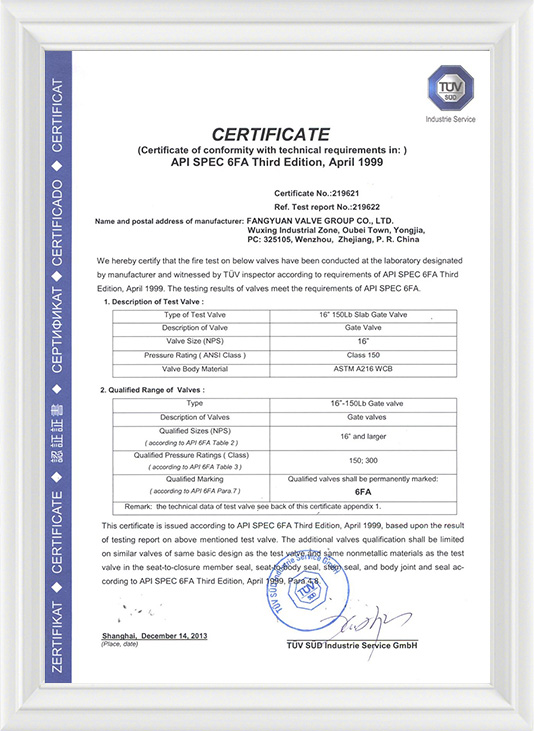
Industrial butterfly valves are subject to various international standards governing design, manufacturing, and testing. These may include pressure testing, seat leakage testing, torque verification, and dimensional inspection.
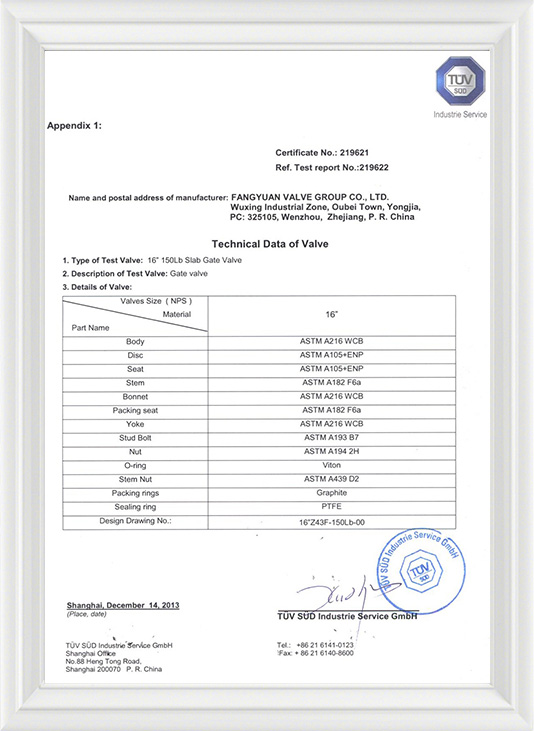
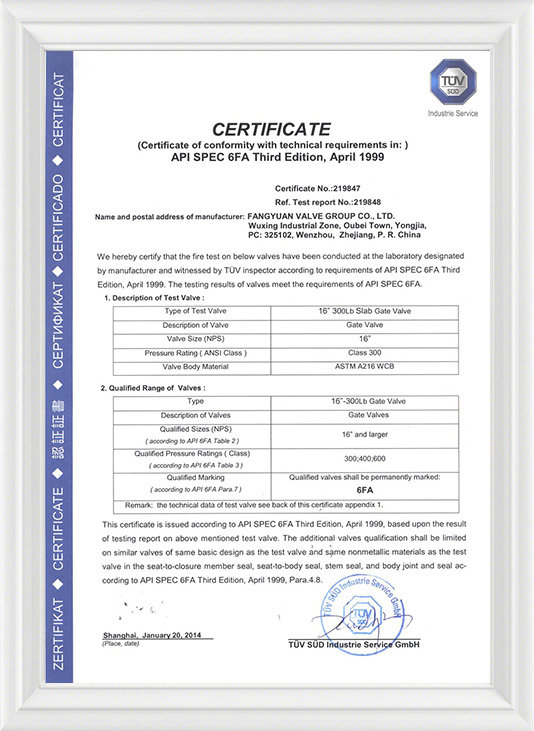
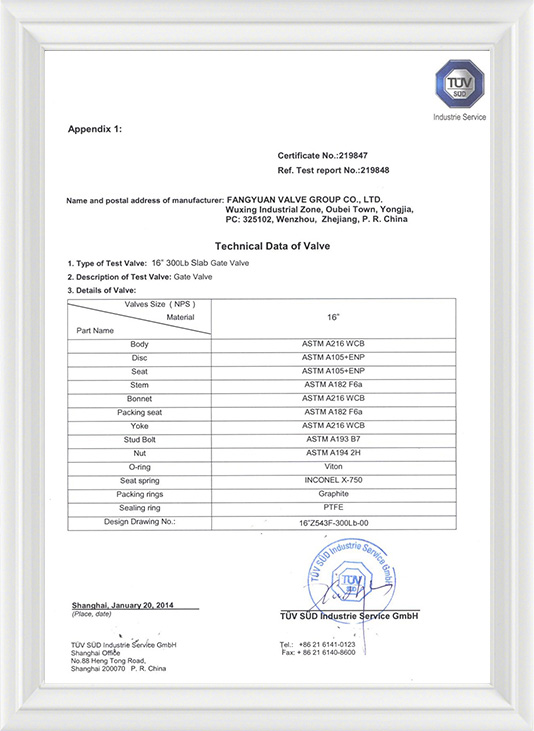
Compliance with recognized standards helps ensure that full bore and heavy duty butterfly valves perform consistently under specified operating conditions. For end users, documented testing and traceability provide confidence in valve selection and lifecycle management.



 English
  русский
  Español
  عربى
عربى